From 29 November 2026 new EU "Euro 7" type‑approval requirements take effect for passenger cars and light commercial vehicles — a legal step that will require manufacturers, fleets, inspectors and aftermarket suppliers in Germany and Austria to adapt technical, administrative and testing routines now, not later. The timetable set by the EU makes new type approvals subject to Euro 7 from 29 November 2026 and brings full‑vehicle requirements into force for new vehicles from 29 November 2027 (with limited exceptions for small‑volume manufacturers).
What Euro 7 changes — and who must act
Euro 7 consolidates and tightens pollutant limits across vehicle categories and adds novel requirements: first‑time regulation of brake and tyre wear, expanded on‑board monitoring, tighter particle counting (including smaller particle sizes) and rules on battery durability for electrified powertrains. The implementing rules (Commission Implementing Regulation (EU) 2025/1706) explain the testing procedures and the staged dates for type approvals and whole‑vehicle compliance. Small‑volume manufacturers have an extended deadline (application of certain requirements from 1 July 2030).
Industry groups in Germany accept the new standard but warn of the challenge. VDA President Hildegard Müller said the industry is "resolutely committed" to improving air quality and that "the Euro 7 requirements are partly very ambitious, but our industry is determined to implement them all," calling the decision a mix of health goals and feasibility for manufacturers. That endorsement underlines that OEMs will prioritise certification and design changes this winter and into 2027.
Austria’s parallel steps: inspections and chargers
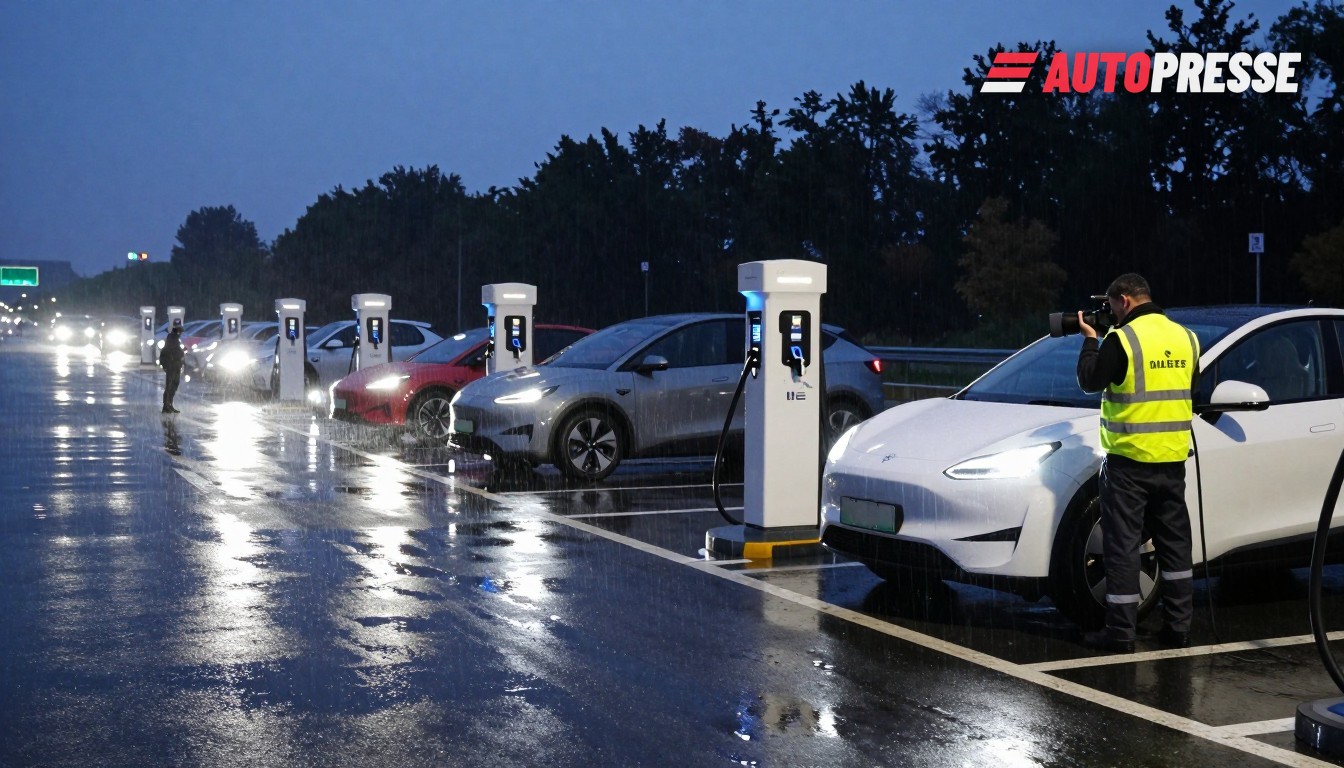
Austrian policy is moving on two fronts. Vienna’s Transport Ministry has paired regulatory measures to speed the charging rollout with administrative reforms to vehicle inspection intervals (the so‑called "Pickerl") and planning rules for chargers along major roads. The ministry notes Austria doubled ultra‑fast public chargers to over 4,000 by 2025 and now counts more than 38,000 public charge points — measures intended to accompany a tighter emissions regime and the wider vehicle transition.
What this means for the market
Short term: fleets, dealers and workshops must budget for new certification paperwork, upgraded sensor and exhaust‑treatment components, and likely longer approval lead times for upgraded ICE versions and PHEVs. Type‑approval slots will be concentrated in late‑2026/2027; manufacturers will prioritise models with the largest volume or strategic importance under the Euro 7 timetable.
Medium term: Austria’s simultaneous push to expand chargers and relax certain inspection intervals (first inspection at four years under a proposed 4:2:2:2:1 schedule) changes total cost of ownership calculations for buyers and fleet managers — lower inspection frequency but tighter new‑vehicle emissions rules. Environmental modelling from Austria’s Umweltbundesamt projects that stricter type‑approval limits together with the EV uptake will reduce NOx emissions by roughly 30% in a scenario with additional measures, to about 76 kilotonnes by 2030. That frames Euro 7 as part of an emissions‑reduction package, not an isolated technical rule.
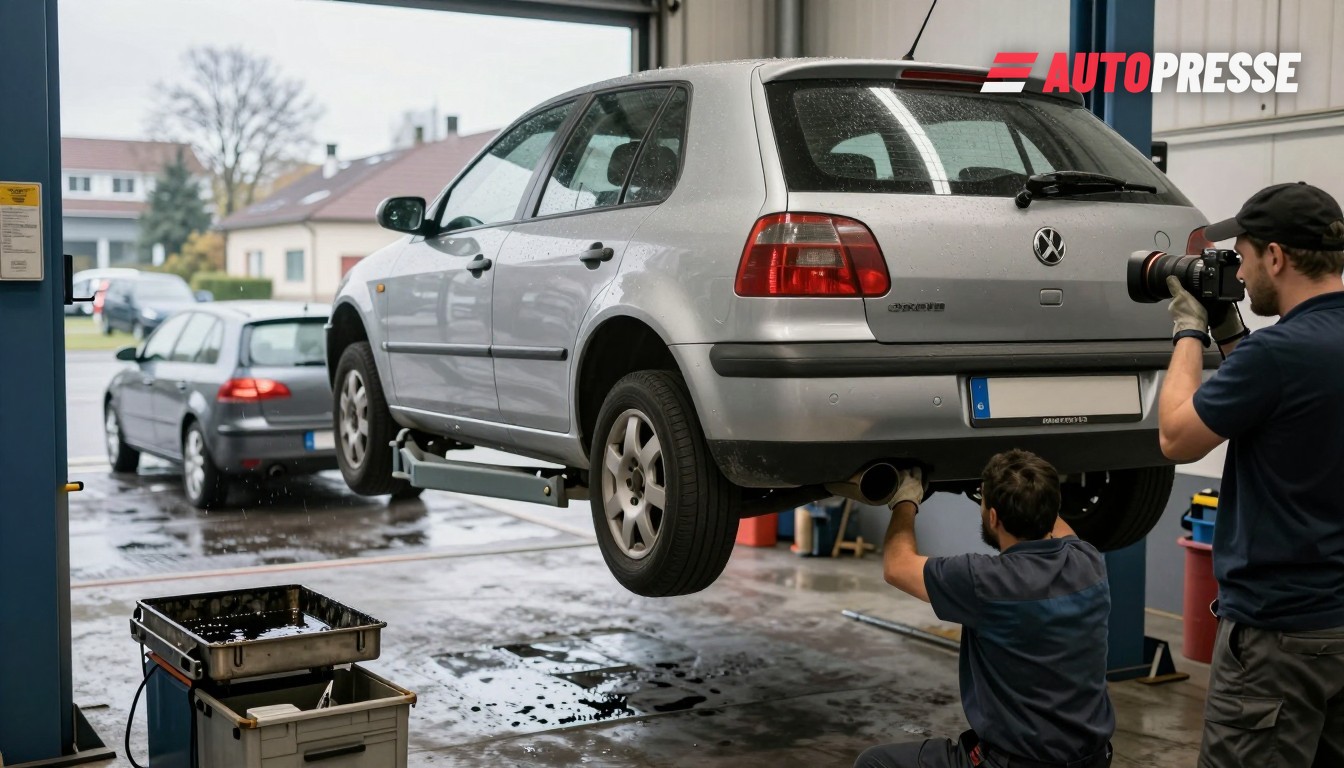
Repair and aftermarket suppliers should note the new focus on brake and tyre particle limits and on‑board monitoring: testing and parts standards will change, and workshops will need updated diagnostic tools and training to remain compliant when servicing Euro‑7 vehicles.
Electric vehicles available now on WorldTrader24 →
Sources: EUR‑Lex (EU Implementing Regulation 2025/1706), German Federal Government, VDA, Austrian Federal Ministry for Climate Action (BMK), Umweltbundesamt Austria