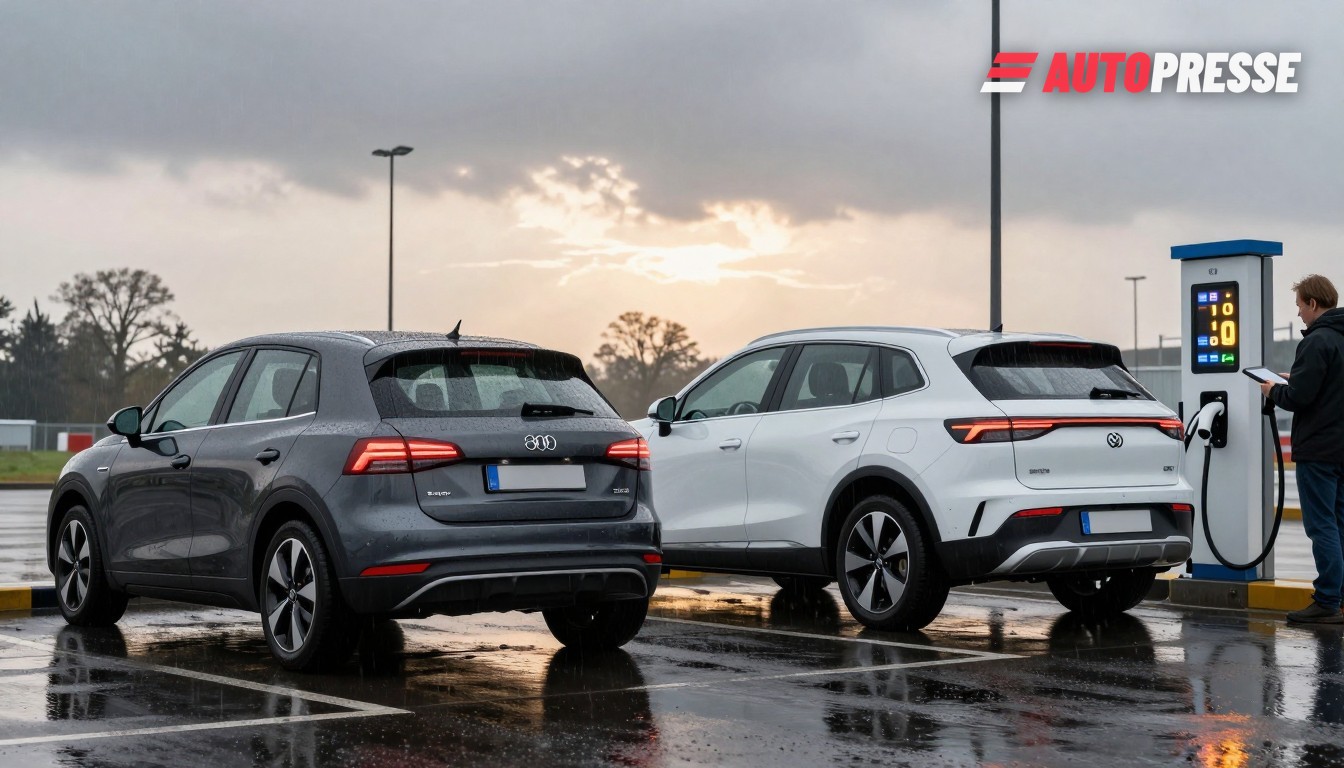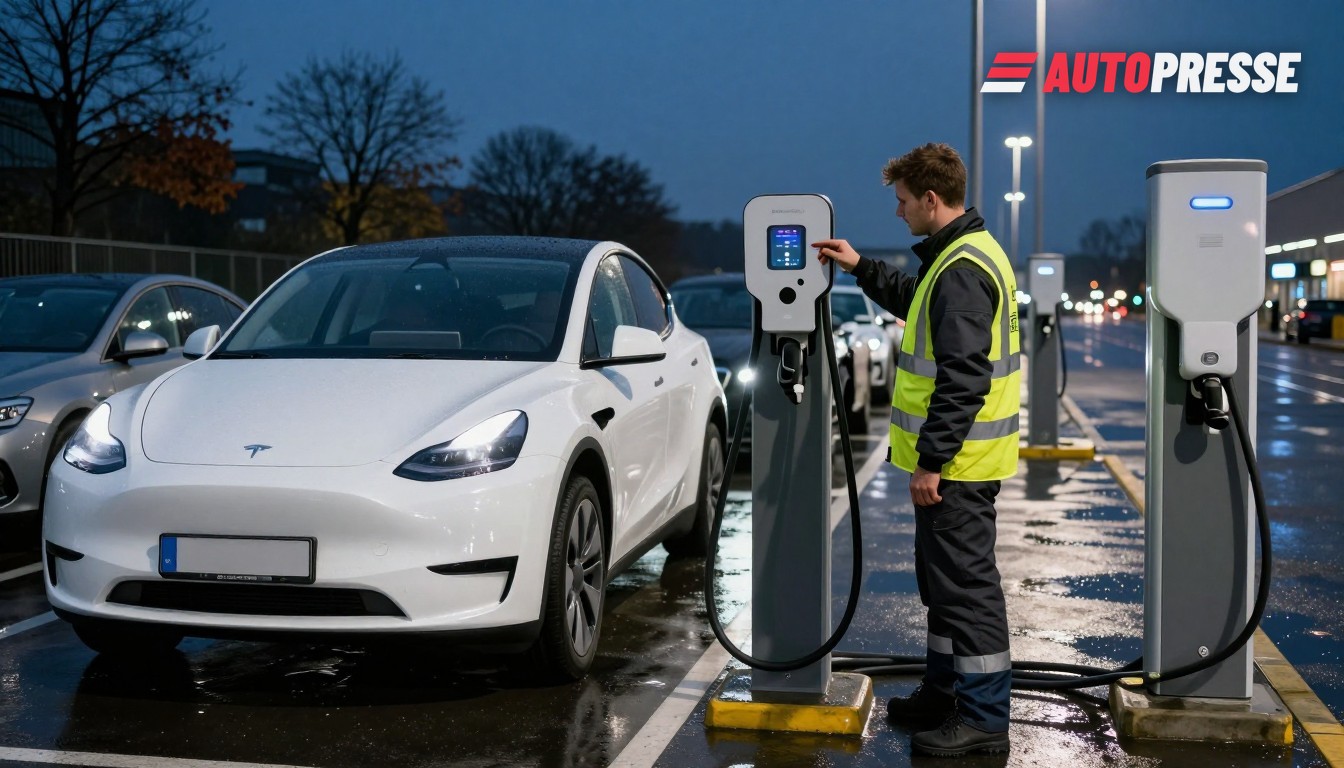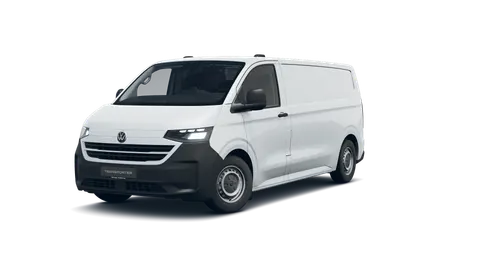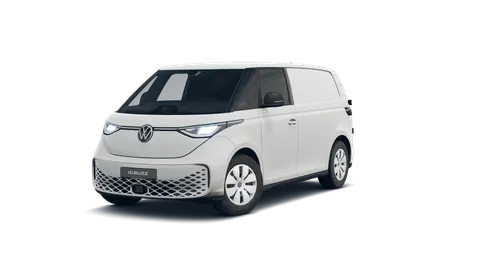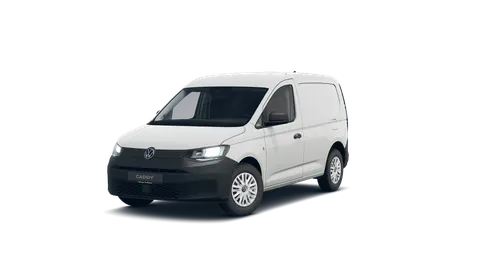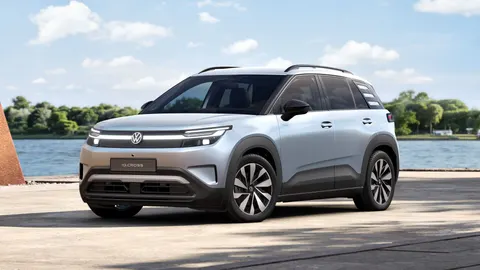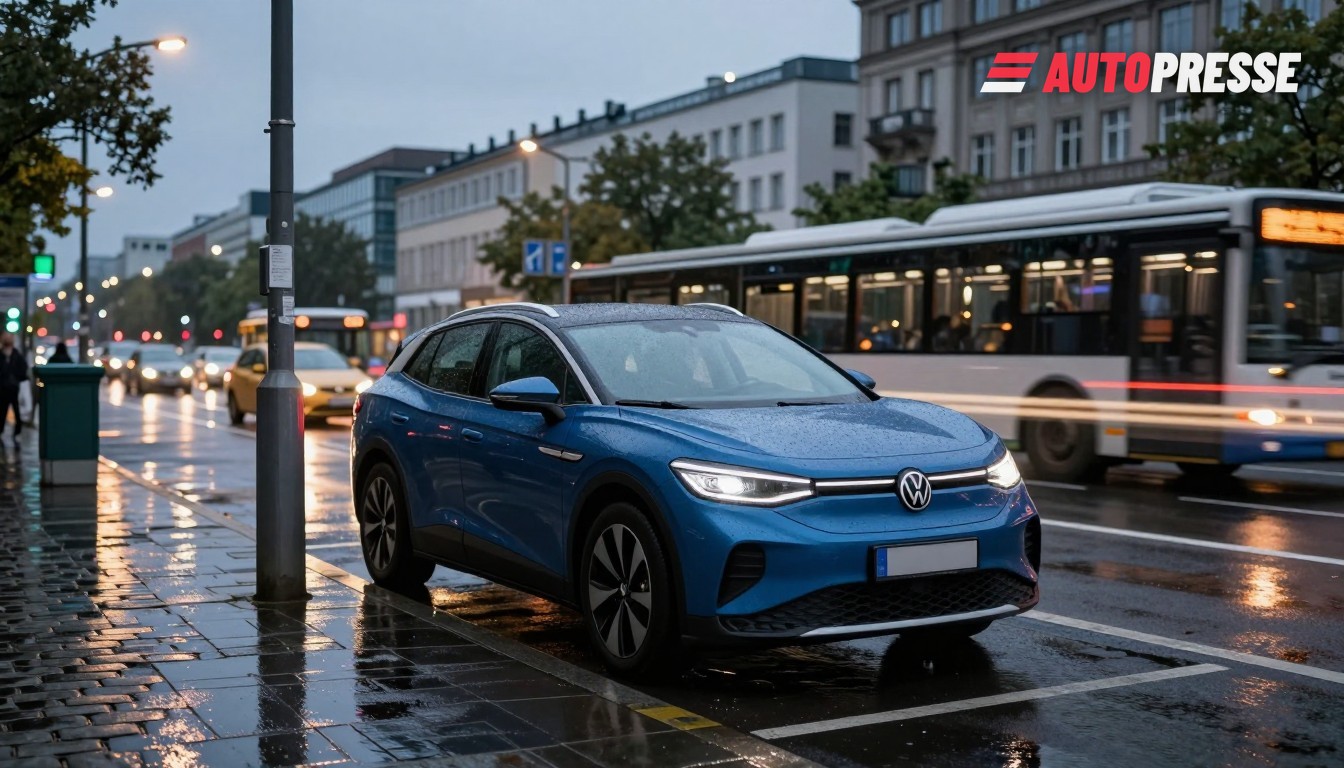
On 5 November 2026 the German Bundestag adopted a bill to extend and amend the country’s rules on the preferential treatment of electrically‑driven vehicles (the Elektromobilitätsgesetz). The change formally lets municipalities and companies continue to grant special access — from parking breaks to limited access to bus lanes and delivery exceptions — and brings buses, certain lorries and light L6e vehicles explicitly into scope; the Bundestag text sets a legal sunset at 31 December 2035 for the widened privileges.
What the Bundestag changed
The traffic committee’s report (Drucksache 21/8949) records the Bundestag decision and the drafting papers (Drucksachen 21/7872, 21/8406). The amended rules preserve existing E‑number plates for registered vehicles and tighten conditions for plug‑in hybrids so that only cars meeting stricter electrical‑use criteria keep privileged status. The committee report and plenary record also note that communes will be free to design local exemptions — for example restricted access, parking fee relief or delivery exceptions — rather than having blanket national rules.
The parliamentary debate exposed fault lines. Proponents said the update is a pragmatic response to rising EV uptake and will give cities legal certainty to experiment; opponents warned of social distortion, arguing privileges can benefit wealthier EV buyers and risk disadvantaging buses, cyclists and pedestrians if, for instance, bus lanes are opened. Linke MP Jorrit Bosch specifically called for socially graded resident parking fees and support for used EVs to avoid unfair redistribution.
Austria’s parallel path: fiscal nudges, not new access rights
By contrast Vienna continues to rely on tax design and subsidies rather than new legal access privileges. Austria reported a sharp rise in BEV registrations in October 2026 — 8,434 battery‑electric cars, about 35% of new registrations that month — and Minister Hanke framed the result as proof the country is “on the way to becoming an E‑car country.” At the same time Austria’s registration and circulation taxes remain closely linked to CO₂ and weight rules, with multiple tax exemptions and firm incentives for companies and drivers.
What this means for the market
For manufacturers and dealers: Germany’s legal clarification preserves a patchwork of municipal privileges that can shape local demand patterns — privileged parking, charging station siting and selective bus‑lane access will influence where buyers seek cars and which models sell better in city markets. Austria’s continuing fiscal route (registration‑tax reliefs, company car rules and charging subsidies) keeps the purchasing case for BEVs strong while keeping urban traffic rules unchanged.
For fleets and logistics operators: the Bundestag text formally allows electric trucks and buses into preferential regimes, creating an opening for early‑adopter fleets to gain time‑limited local advantages — but the measures are voluntary for municipalities, so operators must negotiate local rules. In Austria, distance‑ and emission‑based toll design for heavy vehicles already gives zero‑emission trucks lower charges; OECD analysis suggests Austria could go further by aligning road‑pricing with emissions across more vehicle classes.
For cities and utilities: Germany’s approach hands more decision power to communes to balance traffic, public transport and charging rollout; municipalities will need robust impact assessments to avoid undermining bus priority or pedestrian safety. Austria’s approach pressures governments to keep fiscal incentives and infrastructure grants aligned if the high registration momentum is to be turned into sustained EV use rather than simply new‑car turnover.
Electric vehicle listings on WorldTrader24 →
Sources: Deutscher Bundestag, Austrian Federal Ministry for Industry (BMIMI), OECD, Ayvens Mobility Guide, Wahl.de