Germany’s car industry is showing signs of life after a volatile 2026: production in October reached 326,300 passenger cars, while new orders and industrial indicators point to a short‑term pickup. At the same time Austria recorded a one‑month BEV surge that pushed electric cars to more than one‑third of October registrations — a shift that matters for dealers, fleets and charging operators in both markets.
Rebound in Germany — orders, output and sentiment
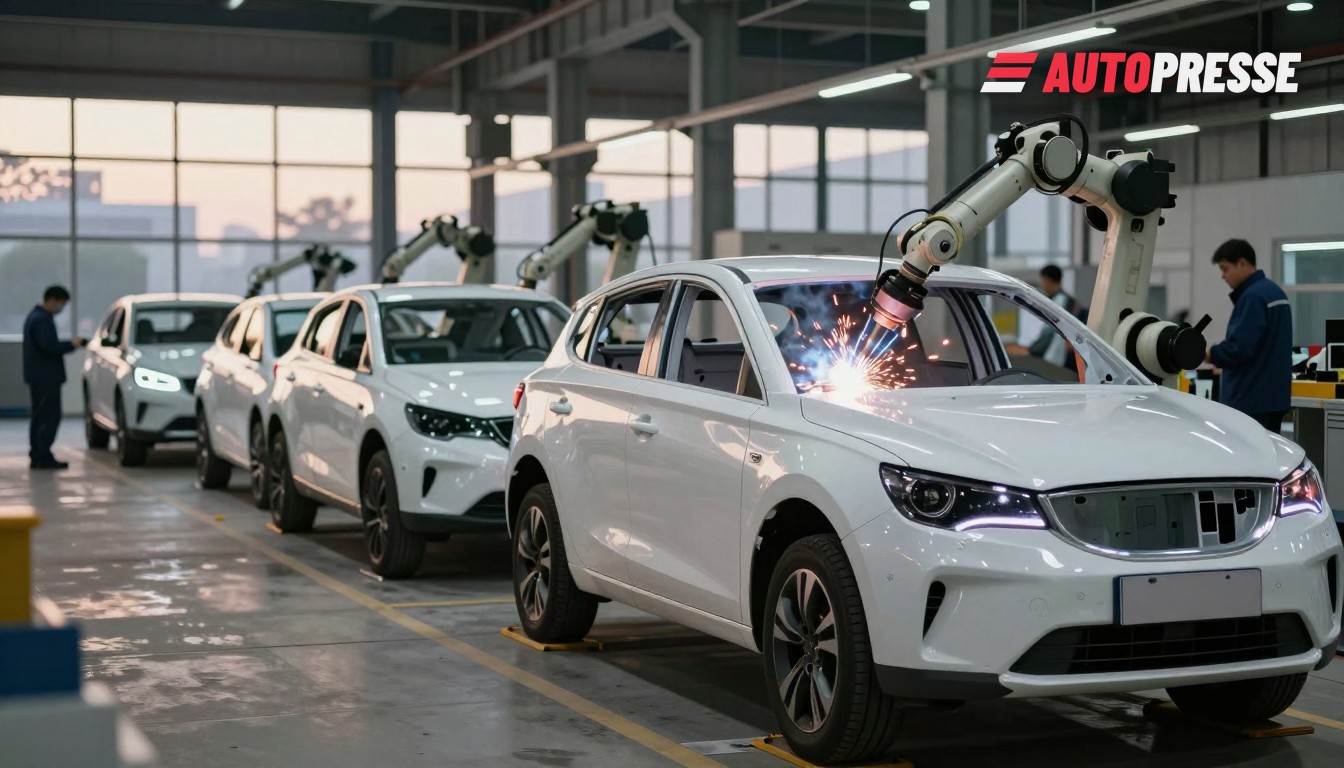
Official statistics show the upswing is modest but measurable. The VDA reports 326,300 cars produced in Germany in October 2026 (−7% year‑on‑year for the month; −4% year‑to‑date) and 254,492 new passenger‑car registrations during October. At the same time, the Federal Statistical Office (Destatis) records a 4.4% month‑on‑month rise in manufacturing new orders in September, driven by a 10.5% jump in the automotive sector. Together the data indicate production changeovers are finishing and orders are returning to levels above the deep mid‑year trough.
Business sentiment recovered sharply in October: the ifo auto industry business‑climate index rose from −33.2 to −4.1 points, with ifo expert Anita Wölfl warning that volatility remains high but noting companies judged their current situation as "better than in the previous month". The improvement, if fragile, reduces immediate downside risks for suppliers and plant operators.
Austria’s electric momentum
Austria recorded a striking October: 8,434 battery‑electric passenger cars were newly registered — up 63.3% year‑on‑year — giving BEVs a 34.9% share of October registrations. From January to October 2026 Austria logged 265,282 new passenger cars, a 10.7% rise year‑to‑date, with alternative‑drive vehicles making up 67.6% of new registrations. Mobility Minister Peter Hanke described the figures as proof Austria is “on the way to becoming an e‑car country”. These numbers have immediate implications for charging demand, second‑hand values and dealer inventories in Austria and neighbouring Germany.
What this means for the market
For manufacturers and suppliers in Germany, the combination of rising orders and a bounce in production implies a near‑term easing of capacity idling and changeover disruption — but not a full recovery to 2019 volumes: the VDA notes production remains about 15% below pre‑crisis levels after ten months of 2026. The ifo index suggests confidence can reverse quickly, so firms face a narrow window to convert orders into profitable runs rather than temporary spikes.
For Austria, the rapid BEV uptake accelerates demand for public and depot charging, training for workshop technicians and inventory shifts at dealerships (more EV stock, fewer used petrol cars). Cross‑border effects matter: Austrian fleet moves and charging investments will feed German regional planning, and suppliers of battery components, power electronics and fast chargers should expect more orders from Austrian fleets and municipal contracts.
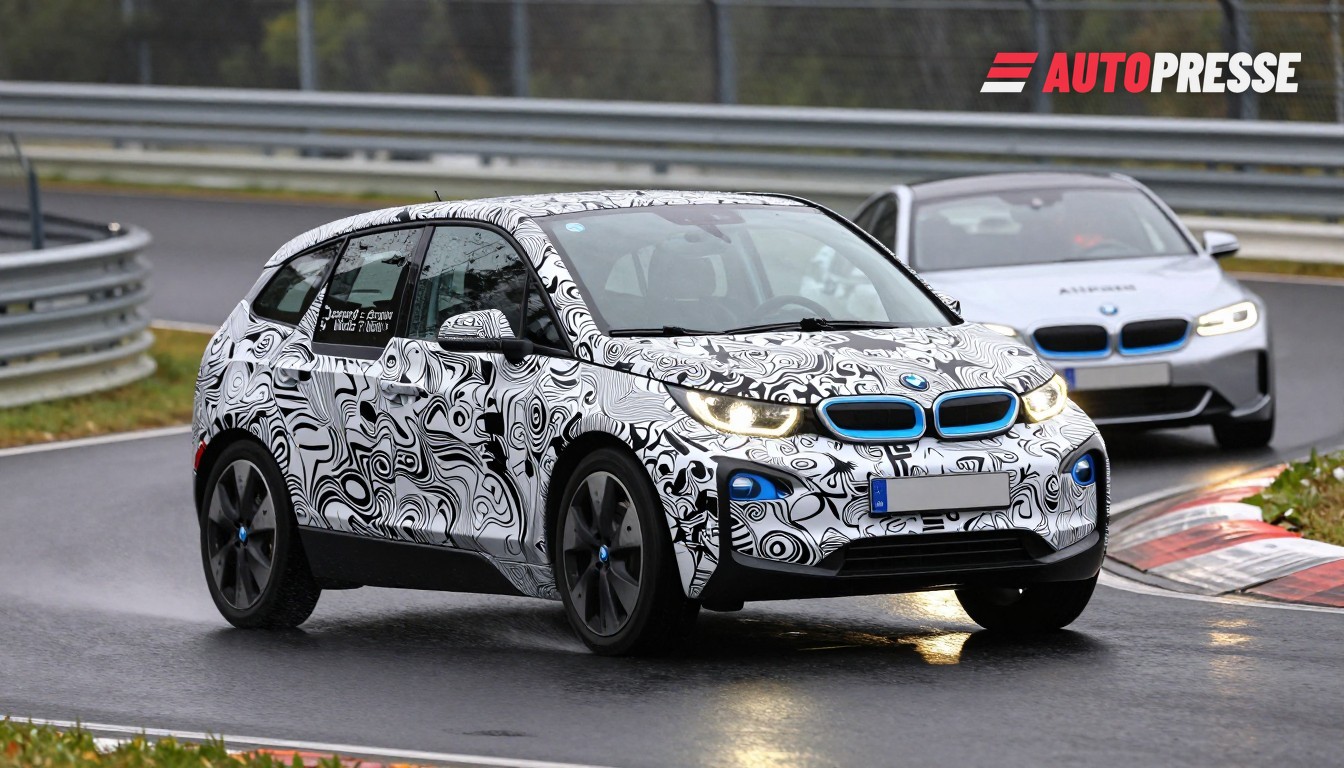
Company moves underline the operational response: BMW told investors it opened a new supplier/cell‑supply plant in Irlbach‑Straßkirchen at the beginning of October to feed German production lines — a concrete example of automakers shifting capacity to secure BEV ramp‑ups. That plant and similar investments will be watched closely by suppliers, unions and regional policymakers.
Electric vehicle listings on WorldTrader24 →
Sources: VDA, Destatis, ifo Institute, Statistics Austria, Austrian Federal Ministry for Climate Action (bmimi), BMW Group