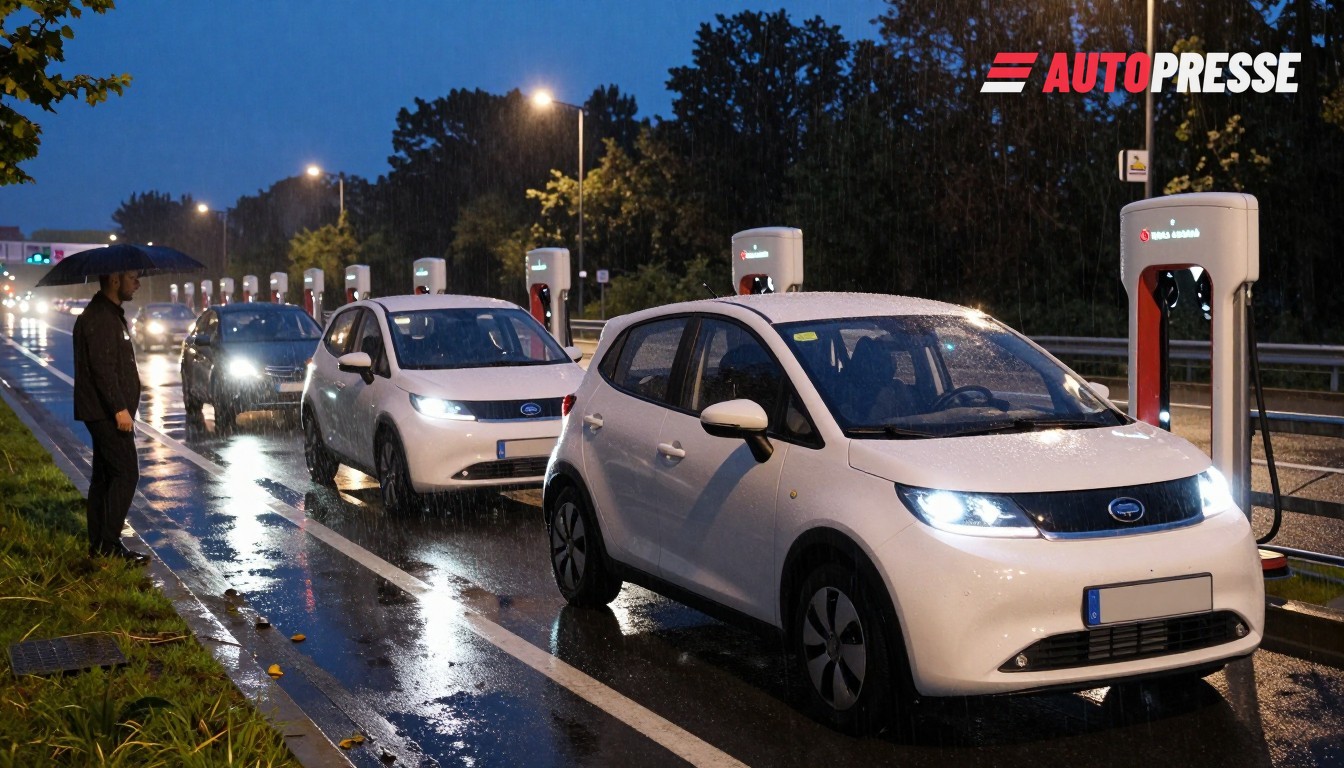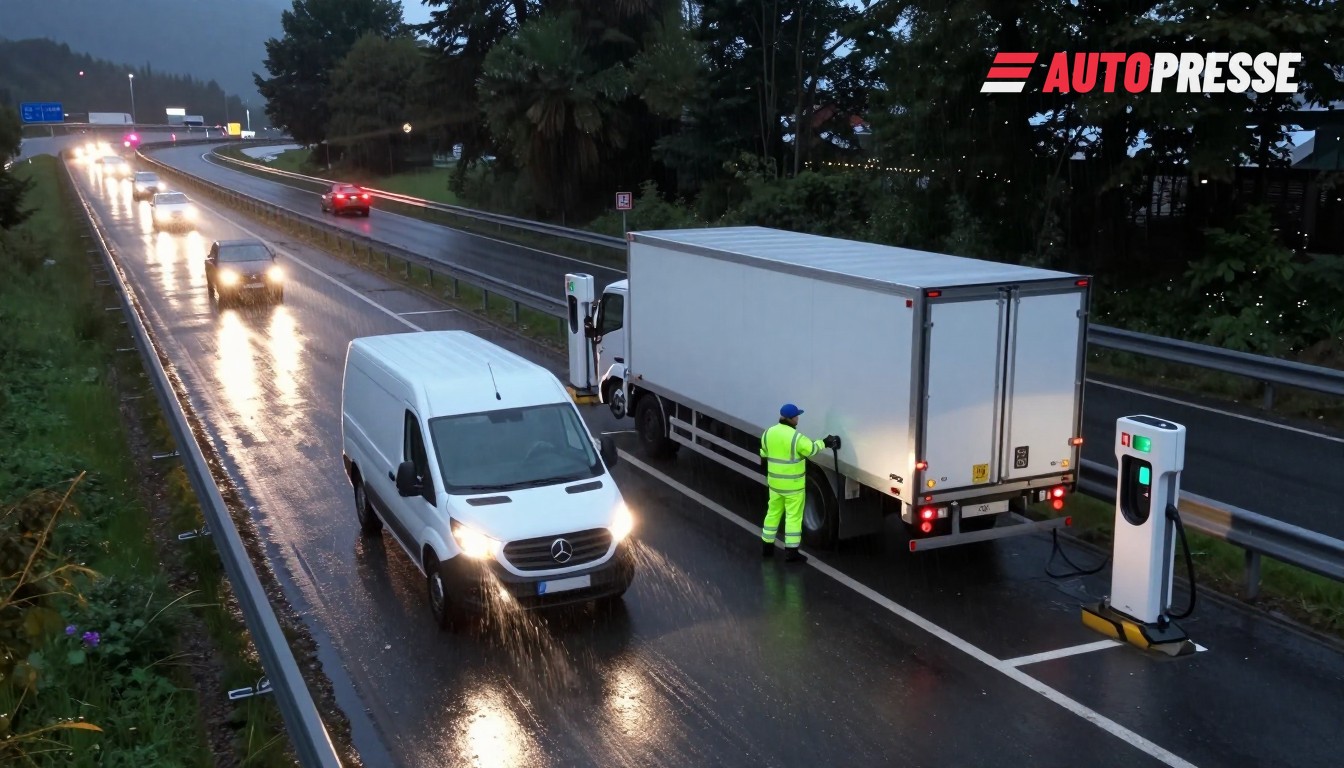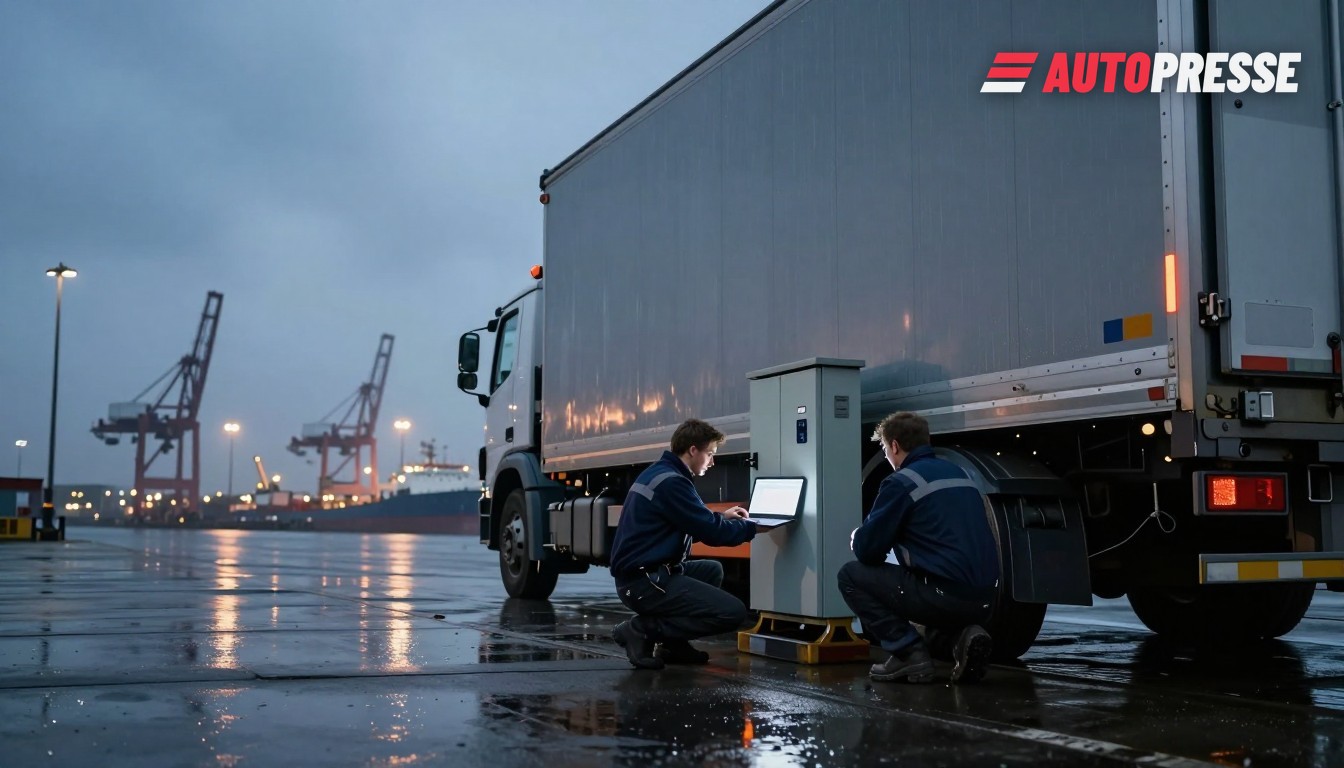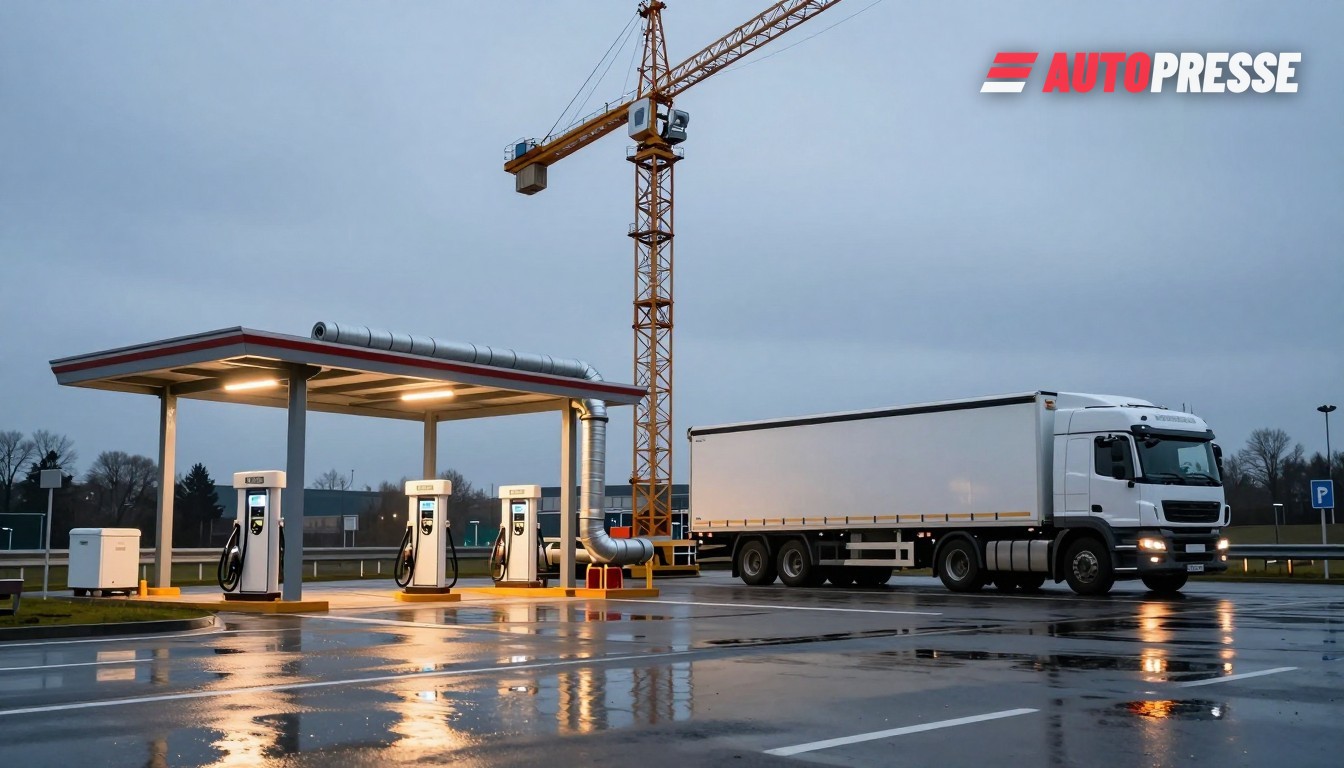
Germany and Austria are pursuing visibly different infrastructure strategies for decarbonising road transport — and that divergence is already changing where fleets, suppliers and depot investments flow. Berlin in early 2026 launched a targeted package to fund hydrogen refuelling stations (HRS) together with hydrogen trucks, while Vienna’s eMOVE programme and recent measures to cut red tape are designed to densify EV charging along main roads and at service nodes. Both approaches are explicit government choices, not market accidents.
Berlin’s package: HRS plus trucks as a single bet
The German funding call — published by the federal ministry and managed through project partner PTJ — sets out a so‑called “package funding” that links HRS and vehicle procurement. Applicants could submit until 31 May 2026; the call aims to support roughly 40 hydrogen stations and associated vehicles and explicitly requires sites on the TEN‑V core network or at major urban nodes. The scheme allows up to €4m per station and package awards of up to €7m, with vehicle grants up to 80% of the incremental cost in some categories; specific caps by vehicle class are listed in the call document. The HRS must offer gaseous hydrogen at 350 and 700 bar (with LH2 options welcomed) and guarantee minimum utilisation through cooperation agreements.
Germany’s transport minister framed the package as a coalition commitment to support hydrogen refuelling infrastructure and corresponding vehicles for heavy transport. Industry observers note the technical complexity: some truck makers are developing cryogenic liquid‑H2 systems rather than 350‑bar gaseous refuelling, a difference that affects station design and operating models.
Vienna’s path: chargers, de‑bureaucratisation and fast uptake
Austria is pushing the other lever. Mobility Minister Peter Hanke’s eMOVE Austria programme bundles measures to speed public charging deployment along motorways, service stations and car parks and to cut administrative hurdles for installations. The government highlighted the result in its 10 November 2026 press release: in October 2026 pure battery electric vehicles (BEVs) accounted for 34.9% of new car registrations — 8,434 BEVs in the month — and nearly half of new cars were plug‑in electrified when PHEVs are included. The ministry links that market movement directly to infrastructure and information measures.
The OECD’s 2026 environmental review of Austria underlines the policy mix: Vienna phased out direct purchase subsidies for passenger cars in 2025 while keeping support for trucks, buses and charging infrastructure, and it has focused public funding on private and company chargers and on targeted fast‑charging roll‑outs in underserved areas. The review also notes Austria’s relatively high charger density — roughly one public charging point per 10 EVs — and recommends continuing targeted support for rural and low‑income buyers.
What this means for the market
For fleets and suppliers the message is binary: Germany’s grant rules make H2 commercially attractive for selected long‑haul and hub‑based fleets that can guarantee station utilisation; the package design (station + vehicles) aims to reduce the chicken‑and‑egg problem but imposes technical constraints (TEN‑V siting, pressure regimes, utilisation contracts) that favour large shippers, incumbents and established truck OEMs. Austria’s policy favours battery‑first operators and depot‑to‑public charging integration, and the fast growth in BEV registrations is already pulling installers, grid upgrades and local service firms toward AC/DC charger deployments.
Investors, suppliers and dealers should plan by use‑case: hydrogen funding targets a limited initial network (the German call envisages ~40 HRS) with high per‑site investment, while Austria’s approach scales a denser, lower‑unit‑cost charger base. Expect different winners: station and cryogenic suppliers, and specialist integrators, in Germany; charge‑point manufacturers, electricians, grid services and forecourt operators in Austria.
Electric vehicles listings on WorldTrader24 →
Sources: PTJ/BMV Germany, Austrian Mobility Ministry (BMIMI)