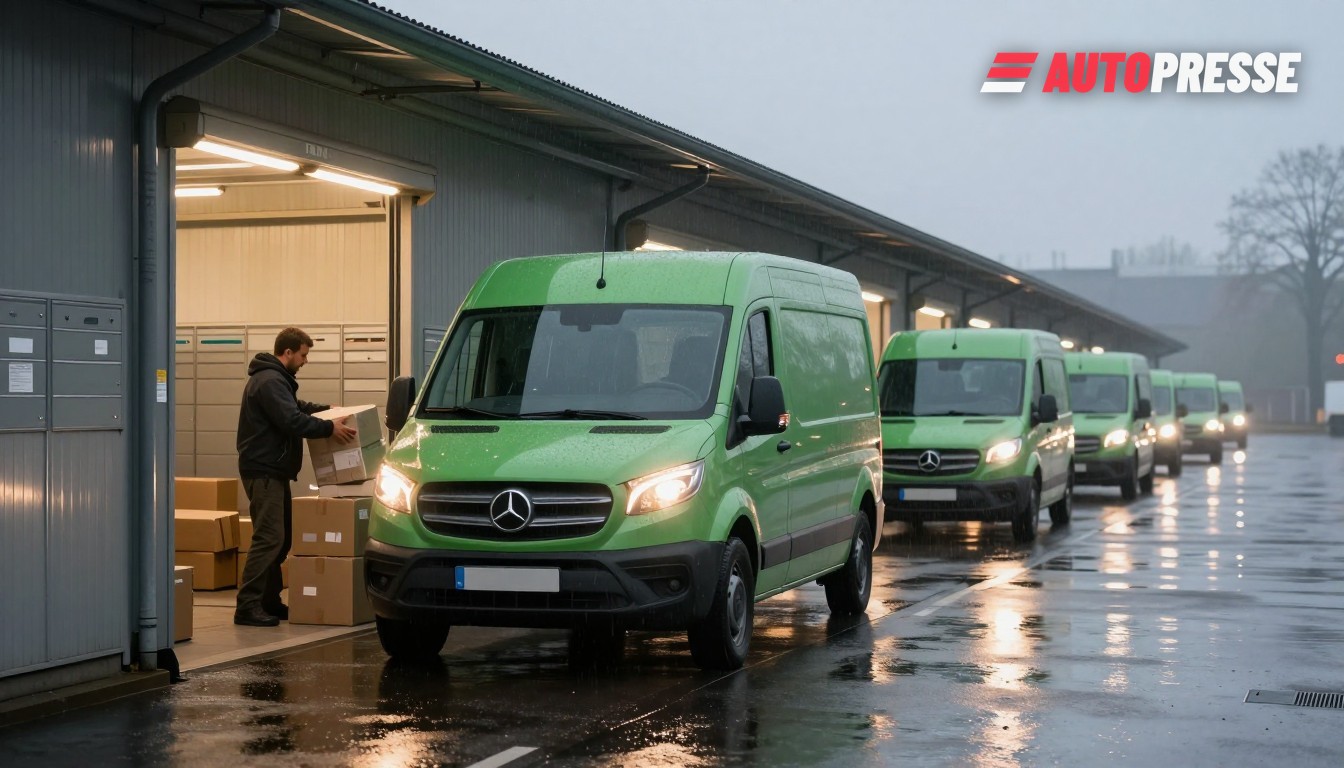
Germany and Austria’s parcel networks are being re‑tested by a sharp rise in online returns: researcher Björn Asdecker’s estimate for Germany this year is about 560 million returned packages — up from roughly 550 million in 2025 — forcing retailers, carriers and logistics providers to redesign warehouses, flows and carbon accounting.
Robots move from pilot to production
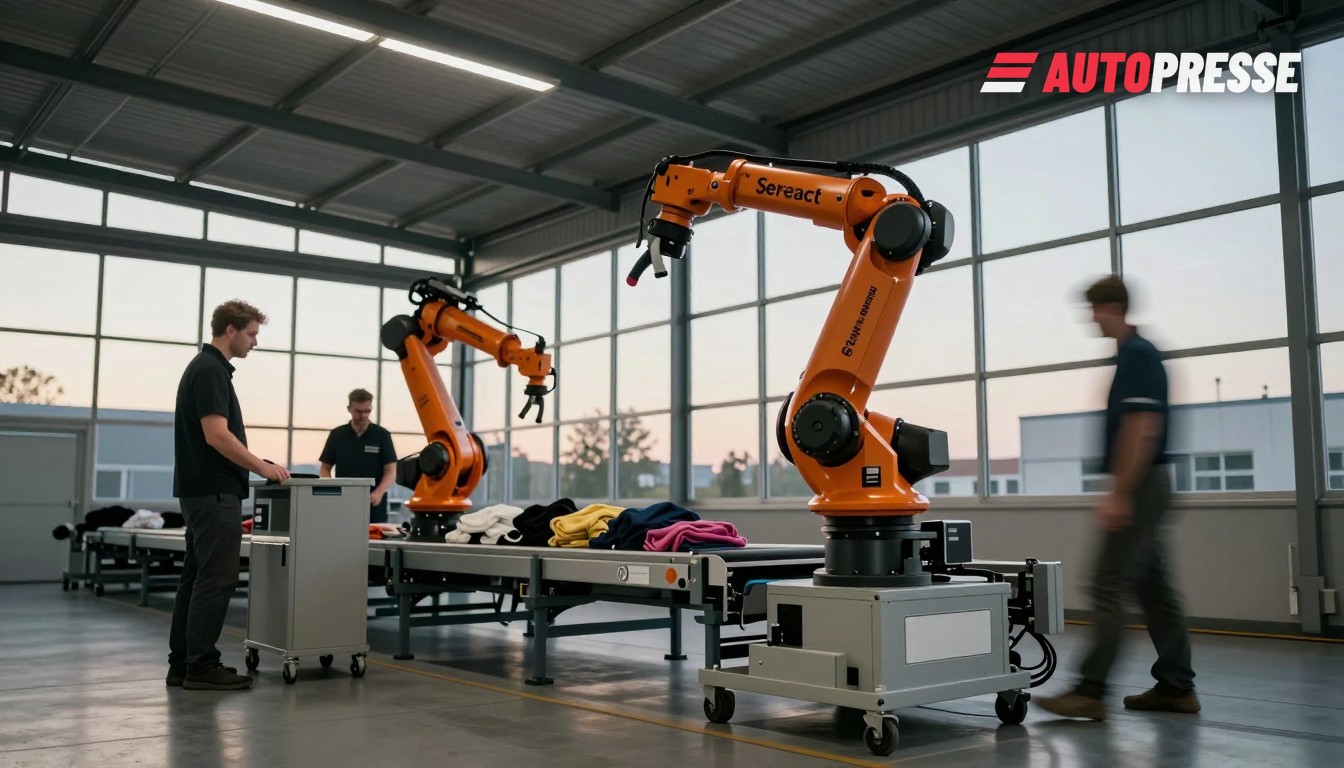
Fashion and lifestyle returns are an acute pain‑point. In October 2026 CEVA Logistics, Zalando and Stuttgart robotics start‑up Sereact put AI‑driven dual‑arm robots into live returns operations at CEVA’s Greven site in Germany and a partner site in Poland. The system classifies, grasps and sorts items it has never seen before and is offered via Robotics‑as‑a‑Service so operators avoid large up‑front capital outlay. CEVA says the technology shifts staff toward supervision and exception handling.
At the same time consumer surveys show why the scale matters: a Blue Yonder/TehriHills consumer poll (September 2026) found 46% of German respondents return goods at least once a month, and 26% admitted buying items to use and then return them after a single occasion — behaviour that amplifies volumes and processing complexity.
Circular returns and local re‑use pilots in Austria
Austria is testing an alternative model. A July 2026 pilot by INTERSPORT, Austrian Post and FH Upper Austria redirected unworn, returned items straight to matched new buyers instead of routing them back to the retailer’s central hub. The pilot’s life‑cycle assessment found average CO₂ savings of about 25.3% across the returns process, and Austrian Post developed an anonymised label to enable direct forwarding while protecting customer data.
Those two strands — automation to speed processing and circular forwarding to cut trips — are already combining in operator strategies. The global DHL 2026 E‑Commerce Trends Report shows that out‑of‑home return options (lockers, parcel shops) and alternative flows are central to shopper expectations in Europe and that around three in ten shoppers already use out‑of‑home options; these preferences shape how carriers design return lanes and local hubs.
What this means for the market
First, returns are no longer a marginal cost item: across Germany the scale (hundreds of millions of parcels) makes dedicated returns automation and localised, circular flows commercially necessary — not optional. Second, the mix of solutions will be diverse: robotic cells for high‑velocity fashion returns (as in Greven), anonymised direct‑forwarding pilots (as in Austria), and expanded locker/parcel‑shop networks to reduce home collections. Third, retailers and carriers must balance customer expectations — free, frictionless returns remain a conversion driver — with tighter margins and sustainability targets; the data show consumers will punish stricter policies, so operational innovation is the realistic lever for cost and emissions control.
Sources: CEVA Logistics, LOGISTIK HEUTE (dpa/Björn Asdecker), FH Upper Austria (FH OÖ), Blue Yonder / LOGISTRA, DHL E‑Commerce Trends Report