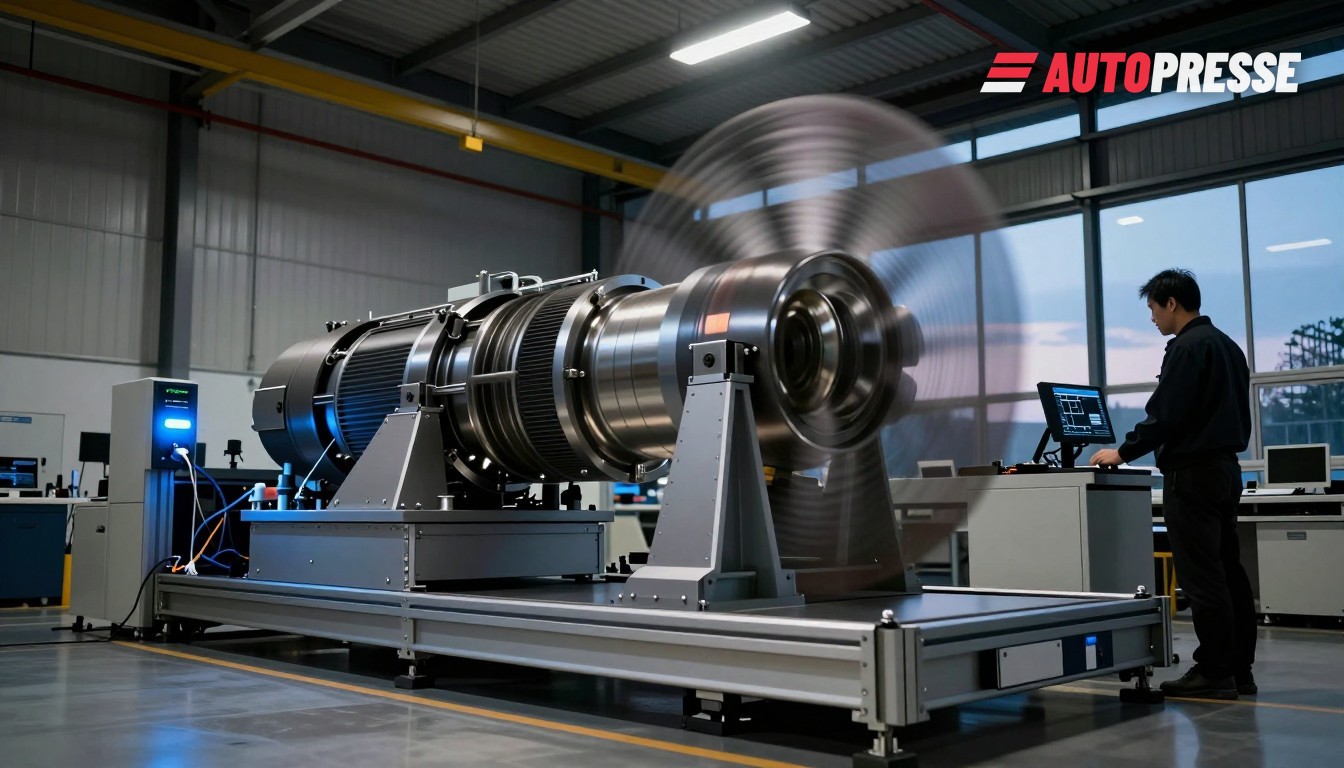
Germany and Austria’s supplier landscape shifted sharply in the opening days of November as consolidation, new powertrain technology and capacity exits arrived almost simultaneously. Swiss supplier Autoneum agreed to buy France’s Trèves Group, ZF unveiled a compact electric drive that runs up to 30,000 rpm, and wiring‑harness maker Draexlmaier has reportedly scheduled a plant shutdown in Serbia — a blow for a region that supplies many German and Austrian OEMs and their tier‑1 networks.
Deals and closures: footprint and capacity
Autoneum signed an agreement on 2 November 2026 to acquire the Trèves Group, a move that will add about 4,600 employees and lift combined pro‑forma revenue above CHF 2.9 billion for 2026; closing was targeted for early Q1 2027, subject to regulatory and consultation steps. Trèves brought roughly €720 million of revenue in 2025 and 26 production sites in 15 countries. German and Austrian OEM buyers that rely on acoustic and thermal‑insulation parts now face a larger, more consolidated supplier for those modules.
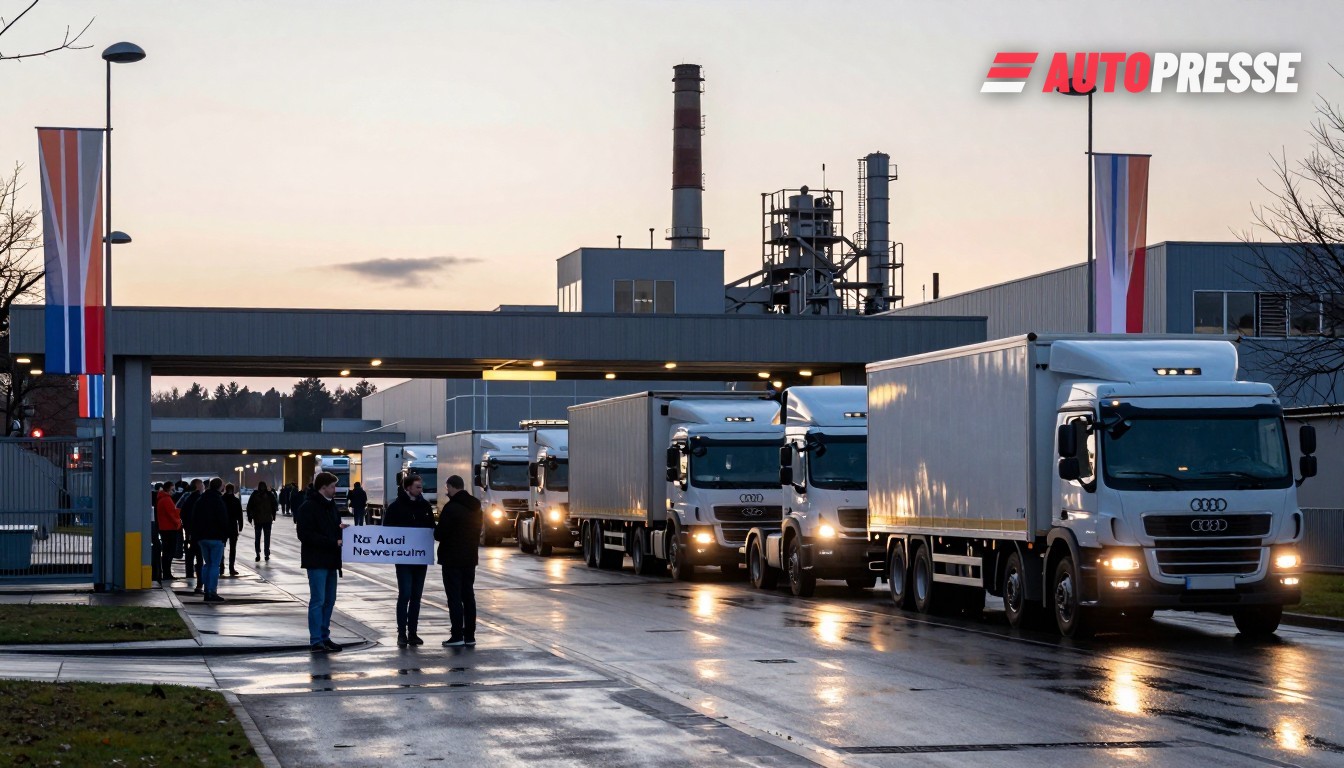
At the same time, reports in early November say Draexlmaier will close its Zrenjanin (Serbia) wiring‑harness plant by the end of March 2027 after failing to win new projects for the site; local reporting and industry briefs put the workforce affected at roughly 1,100–1,500 roles as production is wound down. The shutdown underscores how wiring‑harness volumes and project wins remain decisive for lower‑cost Eastern European sites that feed Western European assembly lines.
New tech: ZF’s compact, high‑speed electric drive
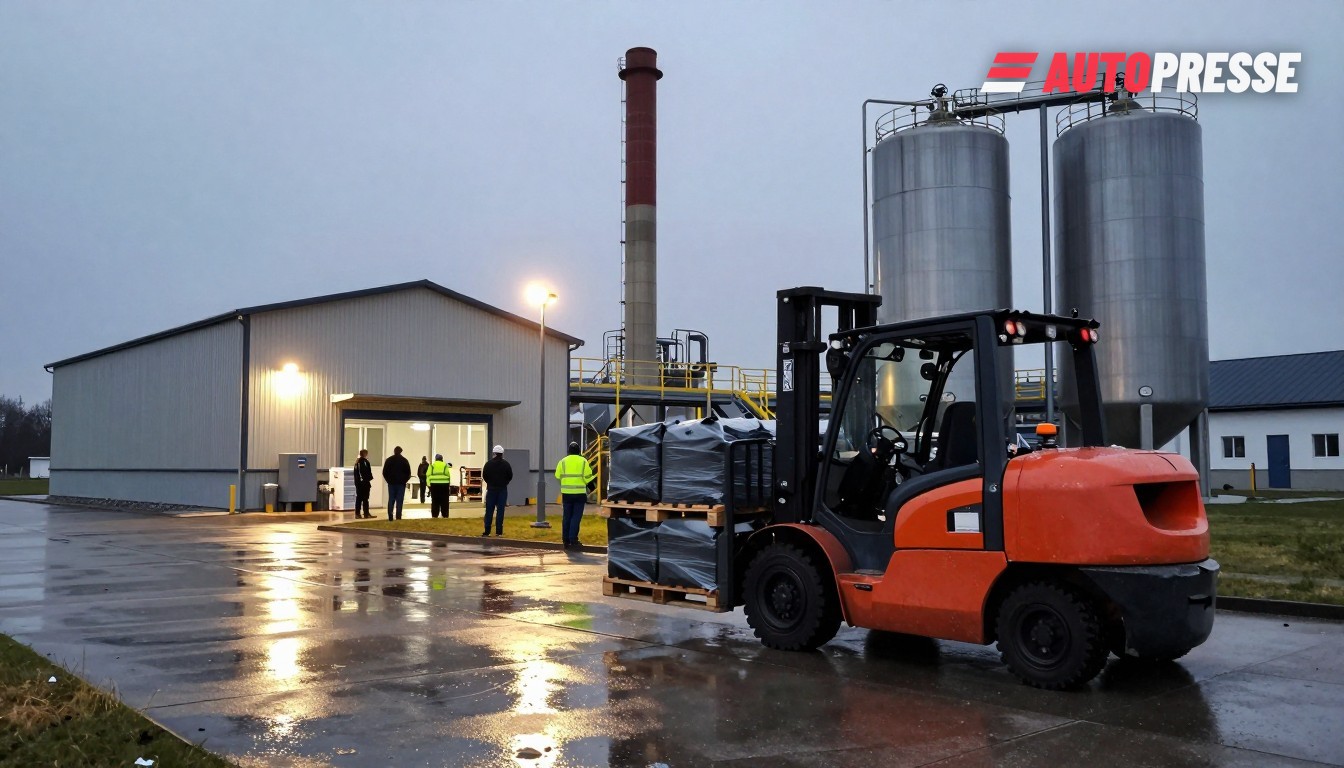
ZF presented its “High Revolution Drive” in November 2026: a 3‑in‑1 electric drive concept with a motor capable of up to 30,000 rpm, a two‑stage high‑ratio transmission and integrated power electronics. ZF says the demonstrator reduces motor packaging and is nearly 25% smaller and lighter than a comparable SELECT drive at 18,000 rpm and cuts magnet mass by about 50% while achieving close to 93% peak efficiency in its test configuration; ZF is in talks with automakers and targets production readiness by 2030. For German and Austrian suppliers of magnets, bearings and gear components the device promises to shift component mix and volumes.
That technical shift is already feeding supplier strategies. voestalpine’s wire‑and‑steel operations reported qualification work on 100Cr6 rolling‑bearing steel via continuous casting — an example of Europe’s effort to secure upstream materials and reduce reliance on long, fragmented supply chains for bearings and heat‑treated steels. Strengthening local raw‑material processing helps parts makers in Austria and southern Germany respond faster to drivetrain design changes such as ZF’s high‑speed concept.
What this means for the market
Three clear signals emerge: first, consolidation in non‑strategic cabin and insulation parts (Autoneum/Trèves) will concentrate negotiating power and industrial footprint — that can simplify sourcing for OEMs but also shrink supplier choice in Europe. Second, drivetrain innovation (ZF’s 30k‑rpm drive) promises material and packaging savings but will reallocate demand across magnet, bearing and gearbox suppliers — winners will be firms that adapt materials and precision machining quickly. Third, plant exits in Eastern Europe (Draexlmaier) show cost pressure remains acute where long lead times and missed project wins can end sites, with immediate local job impacts and second‑order effects for logistics and tier‑2 suppliers in Germany and Austria.
WorldTrader24 electric vehicles listings →
Sources: Autoneum, ZF, SeeNews, Logos‑Pres, Innovation in Textiles, voestalpine.