Germany and Austria are taking concrete steps to make electric-car batteries an energy-market tool and a raw‑material source rather than an end‑of‑life problem — a shift drivers, fleets and dealers need to watch. Regulators have cleared accounting and fee hurdles for bidirectional charging, recycling pilots are moving to customer deliveries, and Austria is trialling alternative storage chemistries alongside second‑life systems.
Regulation clears the road for V2G
On 1 October 2026 the Federal Network Agency (Bundesnetzagentur) published its market‑integration determination (MiSpeL) for electricity storage and charging points, opening explicit accounting routes so bidirectional charge points can be treated like stationary storage. The MiSpeL text explains how eligible volumes are calculated and creates a separation option, a demarcation (metered) option and a flat‑rate option for small solar sites. The agency said the change will make bidirectional charging more accessible and help integrate renewables.
Industry commentators and technical briefs note the practical result: since an Energy Industry Act amendment in December 2025 removed the “double‑charge” problem, MiSpeL (published 1 Oct 2026 and made effective in practice on 21 Oct 2026) provides the metering and settlement pathways that turn V2G from a pilot novelty into a bankable fleet and building asset — although project design, metering consent and aggregator contracts remain necessary.
Recycling and second life: pilots become product
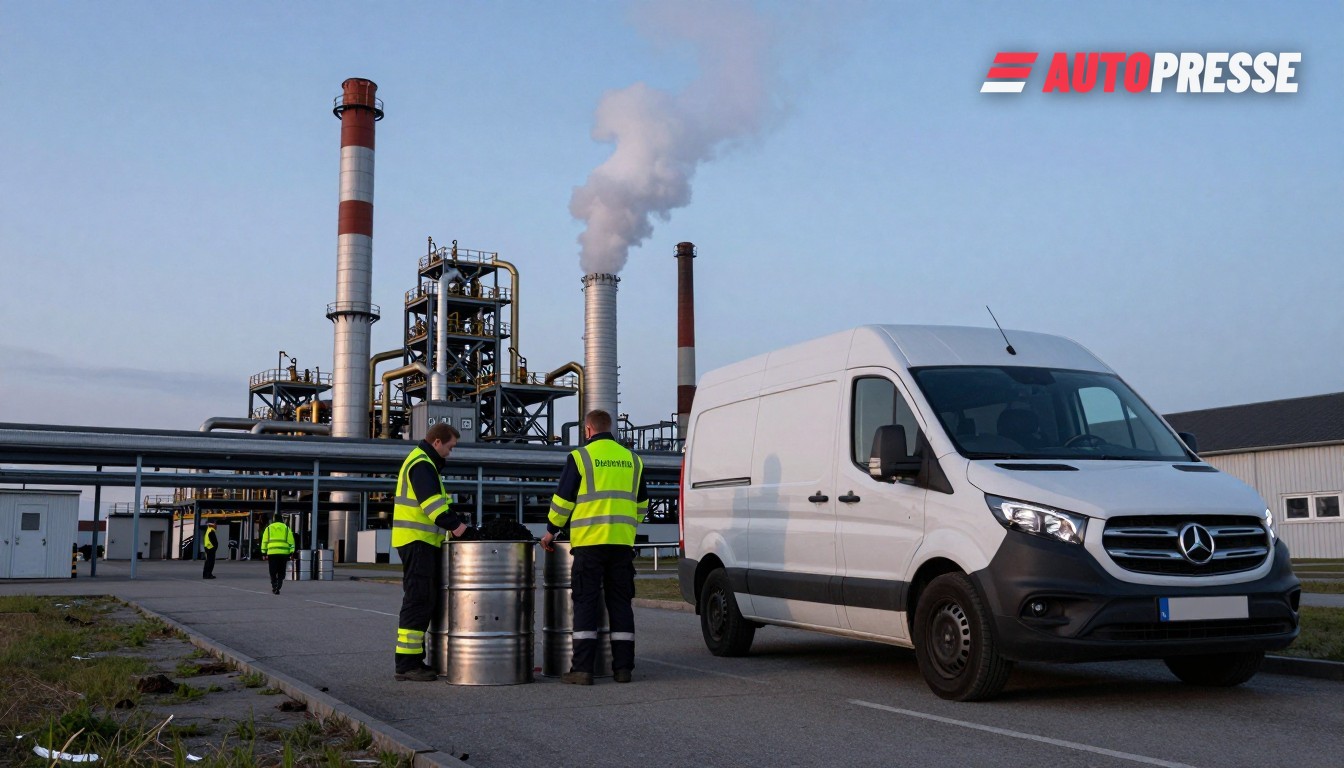
On 5 November 2026 German recycler tozero announced it completed its first delivery of recycled lithium carbonate from its demonstration plant at Chemical Park Gendorf to a ceramics customer — a concrete step from lab to industrial customer qualification. The company says it is advancing process stability and product specs toward battery‑grade material.
Porsche and Aachen‑based cylib have already moved from pilot trials to an operational loop: since May 2026 Porsche’s Centres in Germany have supplied end‑of‑life high‑voltage batteries for a water‑based recycling process, with recovered materials tracked for use in new cell production from 2028 onward. That shows major OEMs are beginning to close material loops rather than only pilot them.
At the same time Austria’s Wien Energie switched on a redox flow battery at its Donaustadt plant on 8 November 2026 — an 80 kW / 230 kWh pilot that the utility says complements its lithium and second‑life portfolio and tests whether flow chemistry suits urban grid needs. The project underlines that Europe is experimenting beyond lithium to increase storage diversity.
But experts caution that second‑life business models must compete with rapid growth in purpose‑built stationary storage. Fraunhofer ISE estimates Germany will need roughly 100 GWh of stationary battery storage by 2030 (about 180 GWh by 2045), and some analysts argue second‑life cannot by itself meet that demand; system integration, software and grid services will decide value.
What this means for the market
For fleet operators and dealers in Germany and Austria the message is practical: V2B (vehicle‑to‑building) remains the low‑risk entry, but MiSpeL now makes V2G revenue stacking commercially accessible if projects secure metering, DSO consent and an aggregator or direct‑marketing channel.
For suppliers and recyclers, the shift means demand for high‑quality recycled materials and for verified second‑life modules will accelerate — but so will competition from new stationary storage projects. Companies that can guarantee battery‑grade output or provide turnkey storage integration (hardware, software, operations) will capture the highest value.
For drivers and private buyers the changes are quieter but real: V2H and smart‑charging packages will spread through OEM and energy‑partner offers, while recycled materials and second‑life systems lower lifecycle emissions and create new local value chains. Expect pilots to translate into commercial offers through 2027 as metering and consent procedures standardise.
Electric vehicle listings on WorldTrader24 →
Sources: Bundesnetzagentur, tozero, Wien Energie, Porsche Newsroom, Energy‑Storage.News, Clean Energy Wire, EVSE Group