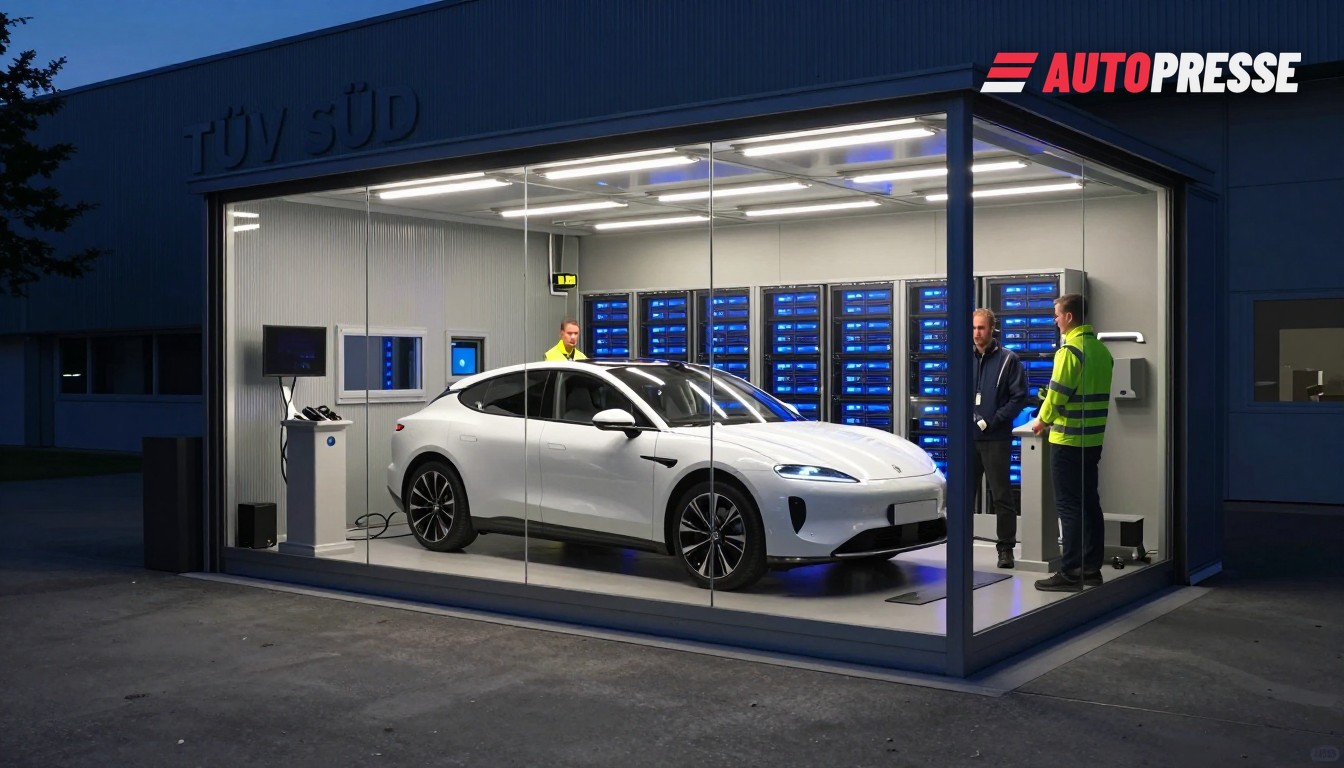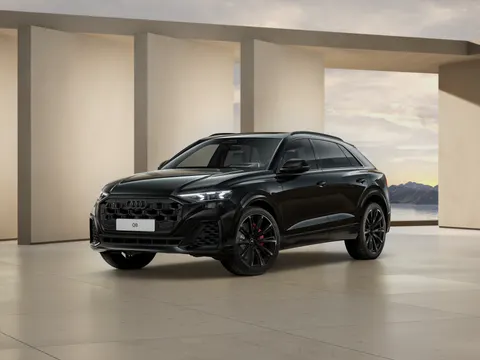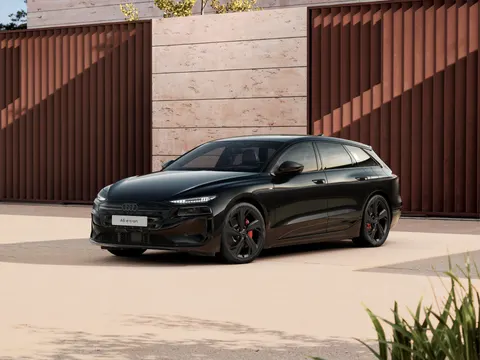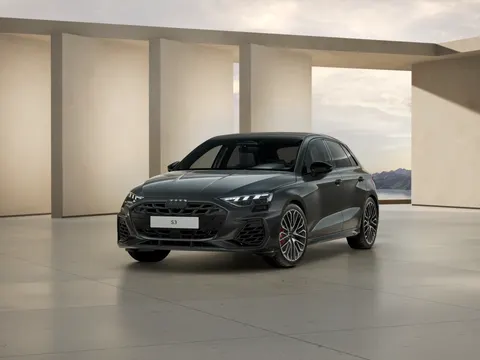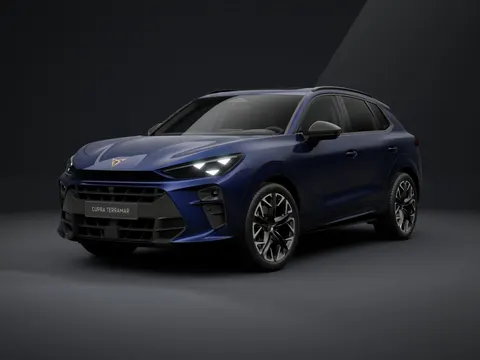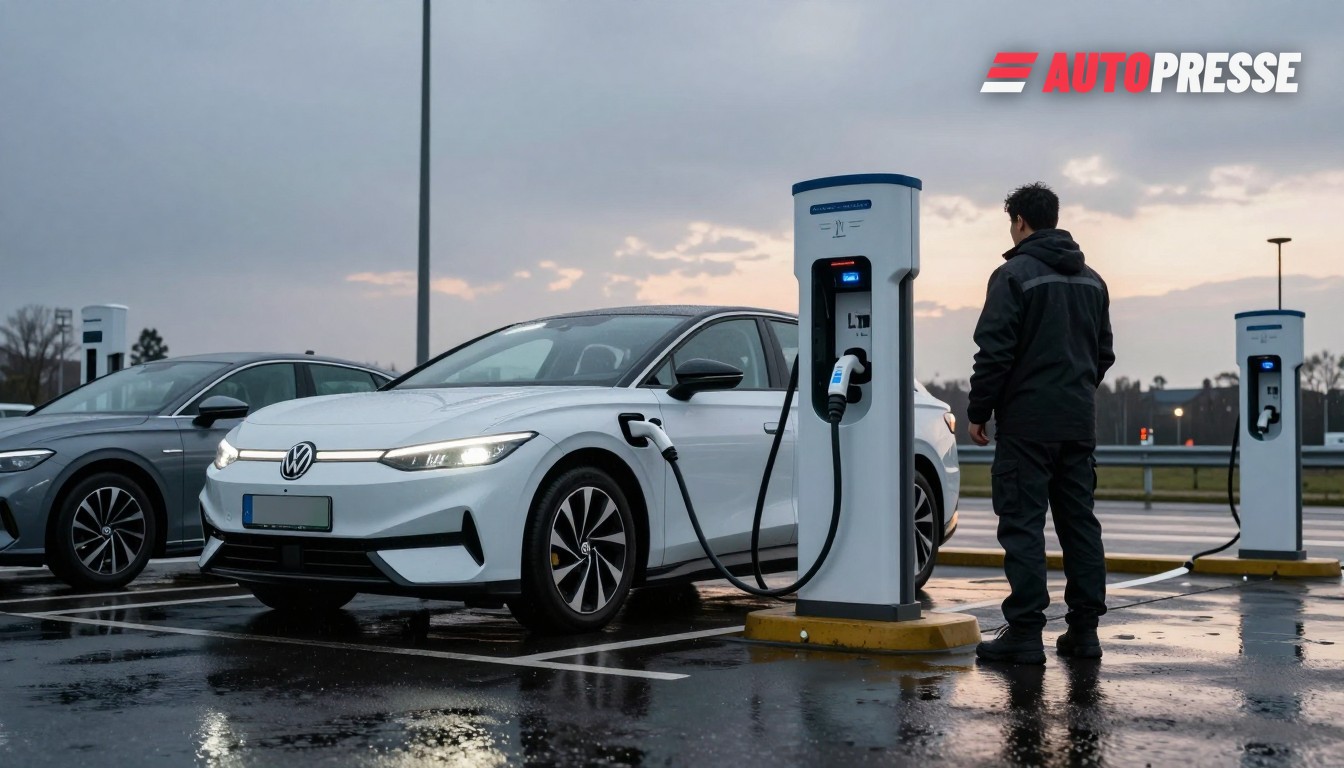
Germany and Austria are shifting from pilot projects to market roll‑out — but the transition is uneven. Volkswagen Group’s energy arm Elli will offer a bundled Vehicle‑to‑Grid (V2G) package to private customers in Germany from the fourth quarter of 2026, pairing a bidirectional wallbox, a dedicated electricity tariff and an app‑based control/aggregation service. The move aims to cut household mobility costs and give distribution grids a new source of flexibility.
Charging roll‑out: faster, but behind schedule
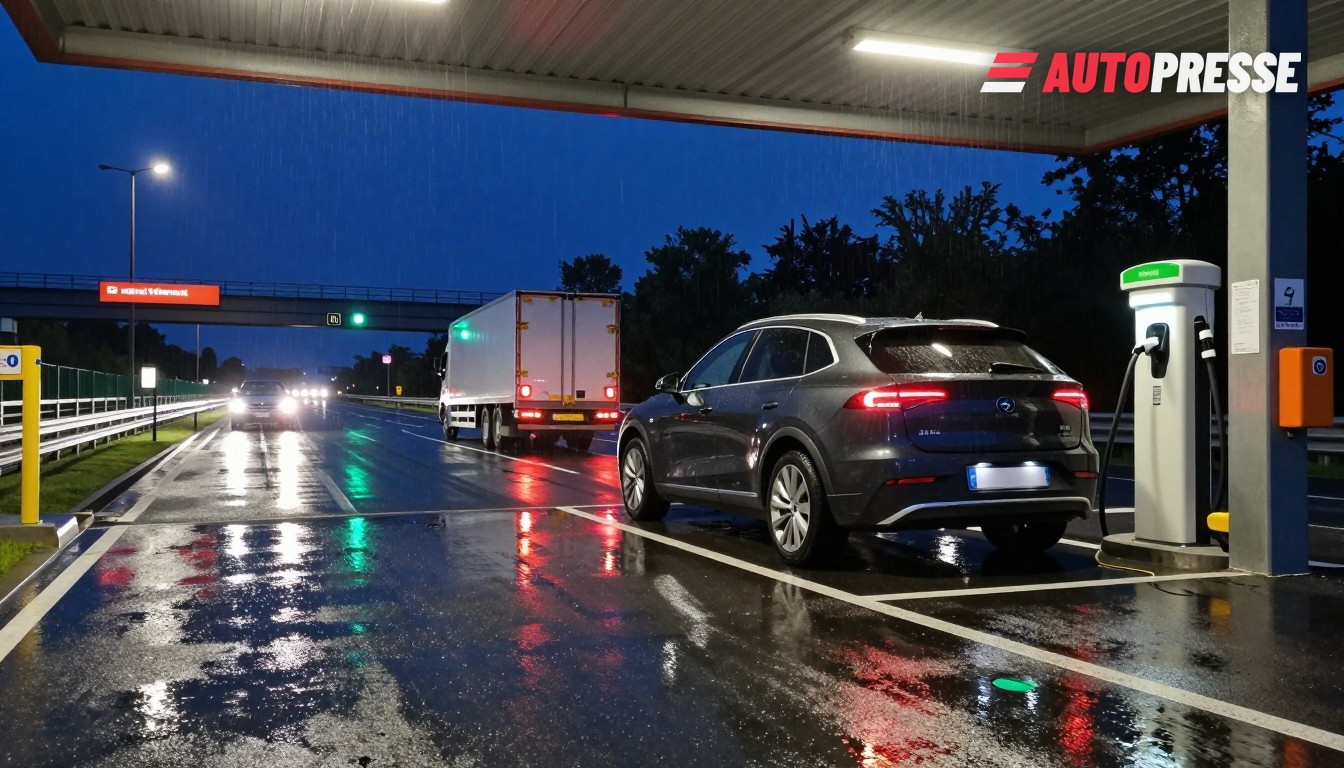
Federal investments are expanding high‑power public charging, but delivery has slipped. The Deutschlandnetz federal programme — designed to add roughly 1,000 fast‑charging locations in towns and 200 fast‑charging parks on unstaffed autobahn rest areas — opened its 100th motorway site in 2026, marking the halfway point of the motorway build‑out. At the same time, completion of all motorway sites is now expected to run into 2027 and, for a small number of projects, into 2028 as medium‑voltage grid connections and permitting slow some roll‑outs.
Operators are upgrading public hubs to higher power: network operators and CPOs have begun deploying 480 kW and larger chargers at key hubs, and megawatt‑class systems are moving from demonstrations to commercial offers for truck depots and logistics corridors. That hardware push underpins both longer‑distance travel and grid‑services business cases such as V2G aggregation.
Battery supply and recycling: production grows, some projects stall
Cell production in Germany is expanding but not without turbulence. Volkswagen PowerCo’s Salzgitter gigafactory has delivered series cells to Group packing lines since late 2025 as the company scales localised cell supply. At the same time the Northvolt‑planned site near Heide has seen ownership and permitting shifts after Northvolt’s restructuring; the project was placed under new trusteeship and later involved a proposed sale to US‑based Lyten, with a partial construction permit granted in 2026 — a reminder that Europe’s cell capacity rollout is still settling.
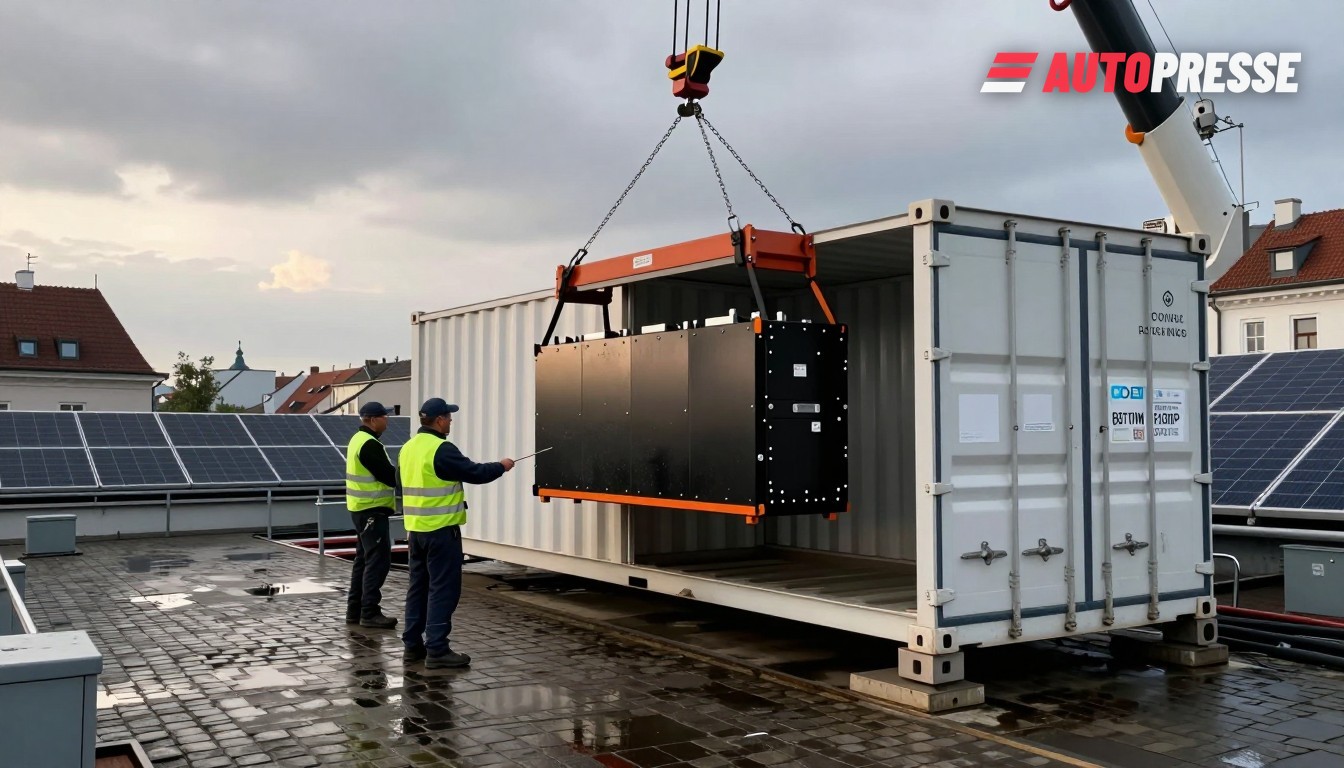
Recycling and second‑life capacity are also ramping. Germany’s established pre‑treatment and recycling players — Duesenfeld, Accurec and Fortum among them — report multi‑thousand‑tonne annual treatment capacities as new commercial facilities begin or scale up in 2026 and 2027, aiming to turn “black mass” back into re‑usable raw material and to supply local cell factories. That industrial recycling build‑out is seen as a strategic complement to new cell plants.
What this means for the market
Sales and fleet mix are already changing: battery‑electric vehicles (BEVs) were a large and growing slice of the market in 2026 — Germany reached roughly a 37% BEV share in October 2026 according to model‑level registration tallies, while ACEA’s EU‑wide figures put BEV market share at 22.7% year‑to‑date through September 2026. Austria’s new‑car market also expanded in 2026 (January–September new‑car registrations rose about 12.1% year‑on‑year), with BEV shares above the EU average in several months as new models arrived. Together these trends explain why charging capacity, V2G offers and recycling plants have become commercial priorities.
For drivers and dealers the near term will bring new choices: V2G will appear as a packaged retail product in Germany (initially for compatible VW Group and associated models), and higher power public chargers will shorten long‑distance charging times where grid hookups permit. For grid operators and aggregators, the combination of large public hubs, bi‑directional home chargers and second‑life stationary storage offers new flexibility — but only if regulation, smart metering roll‑out and faster grid connections keep pace.
Electric vehicles listings on WorldTrader24 →
Sources: Volkswagen Group, Autobahn GmbH (Germany), ACEA, evstats.eu, Electrive, NDR, Duesenfeld, Accurec, Statistik Austria.