Europe’s utilities are again reshaping the EV landscape — and the effects are being felt in Germany and Austria. In early November E.ON Drive Infrastructure Italy completed the acquisition of SMATRICS EnBW Italia, adding four live corridor hubs and 64 ultra‑fast points in northern Italy; the buyer says the sites sit on TEN‑T corridors and bring spare grid capacity for future expansion.
Charging consolidation meets national rollout
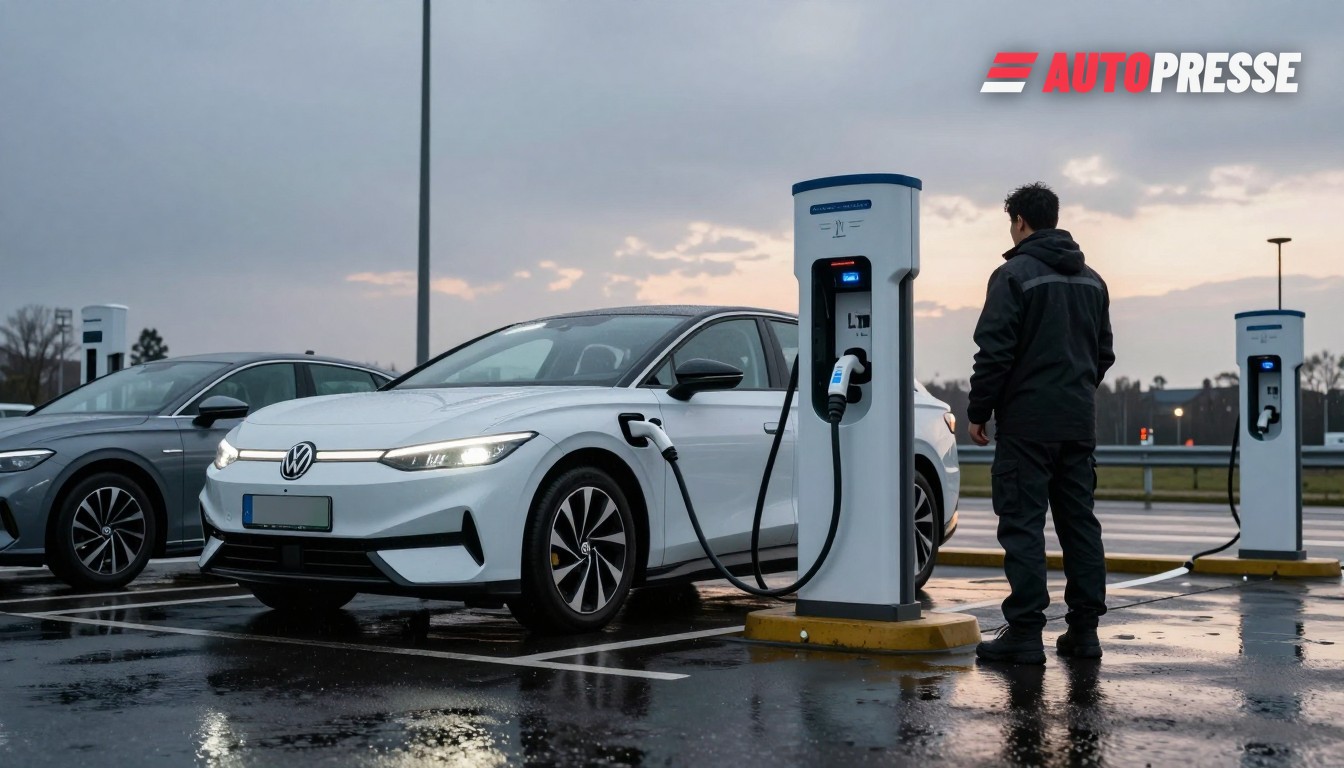
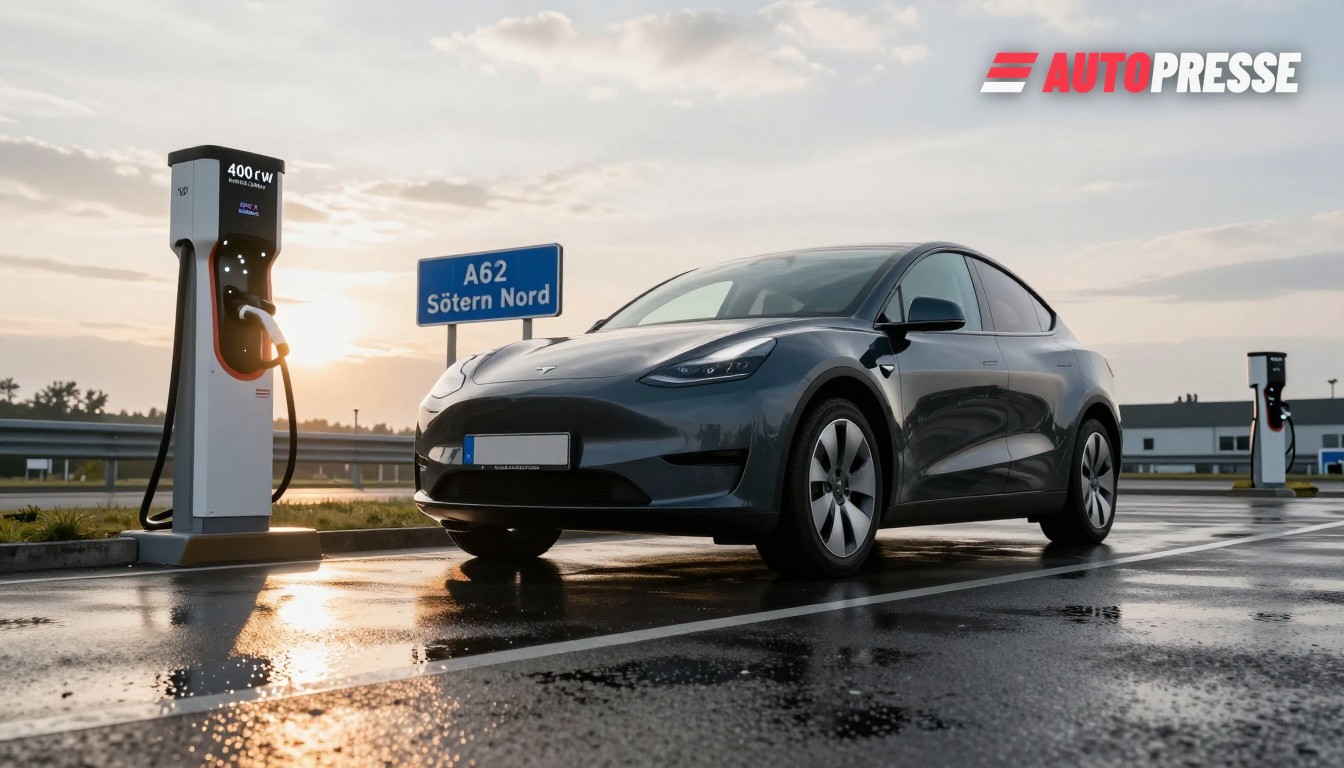
The corporate deal follows a summer surge in public charging activity closer to home: the German Autobahn GmbH and E.ON Drive opened new Deutschlandnetz fast‑charging parks on the A62 (Sötern Nord & Süd) in July and plan thousands more locations along motorways as part of a federal programme that will deliver up to 4,000 motorway rapid chargers in the long term. At the A62 sites E.ON installed 400‑kW chargers configured so four cars can charge simultaneously, and the company says it will build and operate 34 locations with 158 charge points for the Deutschlandnetz programme.
Meanwhile Austria's electrification keeps accelerating. The Austrian Mobility Ministry reported that at the end of July 2026 the national BEV fleet surpassed 300,000 vehicles (estimated stock 304,328) and noted that public charging points rose by 3,817 so far in 2026, taking the public total to roughly 39,500 (with growth continuing into the autumn). Statistics Austria's official registration bulletin shows new passenger‑car registrations in Austria rose 12.1% in January–September 2026, and that 63,172 purely electric cars were newly registered in that period (up 36.9% year‑on‑year).
Technical and operational frictions
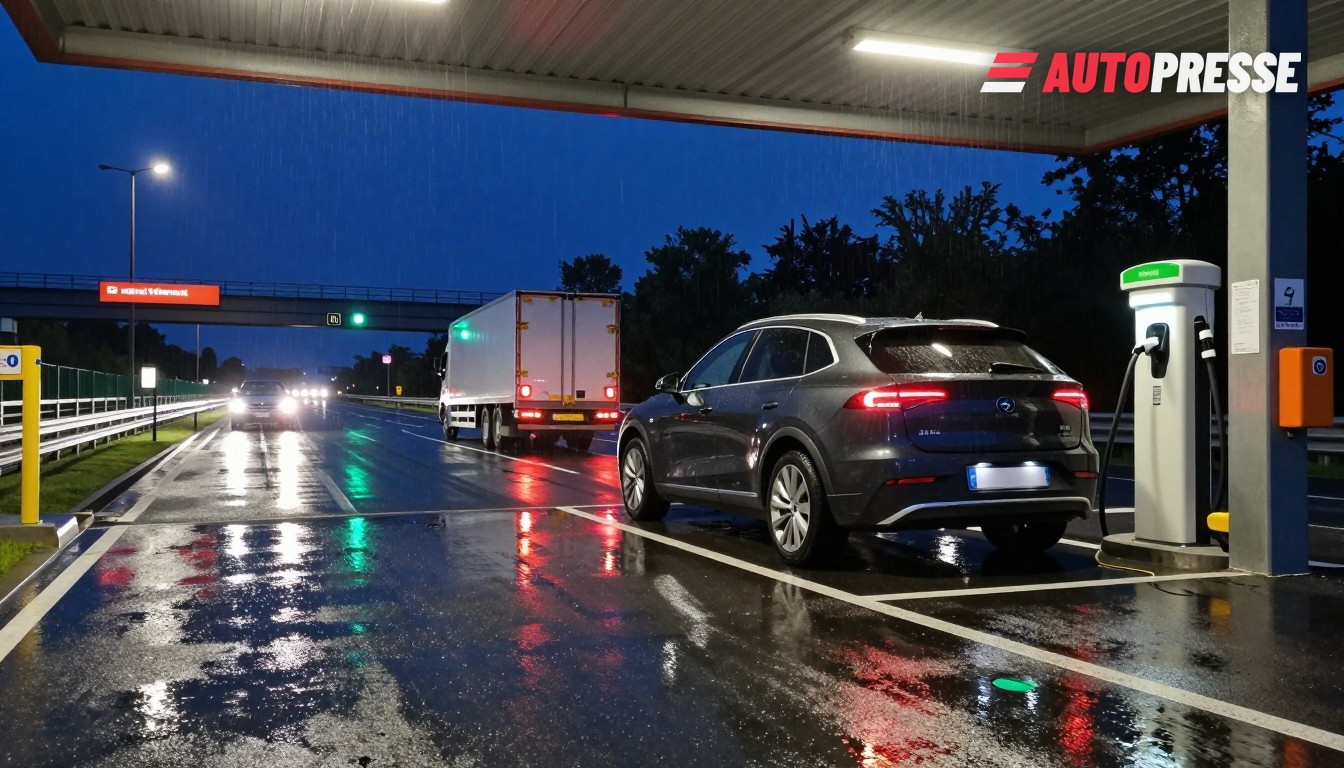
Operators stress that site selection now hinges on available grid capacity and corridor access; E.ON's public terms for smart charging also warn that smart services are provided "as available" and can be affected by vehicle software, charger firmware or grid constraints — a practical caveat as operators stitch together roaming, payment and load‑management systems across borders.
What this means for the market
Drivers: in practice, well‑placed corridor hubs make long‑distance EV travel easier and reduce range anxiety on key North‑South and East‑West routes — provided roaming and billing work smoothly between CPOs. Fleet managers: the acquisition route (buying live hubs rather than building new sites) shortens deployment times and offers immediate capacity for commercial fleets and logistics. Policymakers and grid operators: the growth of corridor hubs increases the urgency of coordinated grid upgrades and local capacity planning; operators explicitly pick sites with extra grid headroom to avoid long build delays. Operators and investors: consolidation (utility‑owned CPOs expanding by M&A) is likely to continue where fast corridor coverage and predictable grid access create value.
Electric vehicles for sale on WorldTrader24 →
Sources: EV Infrastructure News (Informa), Autobahn GmbH des Bundes, Statistics Austria, Austrian Federal Ministry for Mobility and Innovation (BMIMI), E.ON Drive Infrastructure (public T&Cs)