Two of Europe’s biggest supplier moves this year are playing out on both sides of the German‑Austrian border — and drivers, dealers and supplier staff should take notice. Continental agreed to sell its ContiTech industrial division to Lone Star Funds for €4.0 billion in early July 2026, while contract‑maker Magna Steyr in Graz has steadily expanded assembly for Chinese OEMs and announced a fourth XPENG model for the plant. Together these developments are changing where parts are made, who owns them and which jobs stay in Germany or shift elsewhere.
The deals and the supply‑chain shifts
Continental’s sale of ContiTech was signed on 4 July 2026; the transaction values the group sector at €4.0 billion plus up to €250 million in performance‑related earn‑outs, and remains subject to regulatory approvals.
As part of the ContiTech restructuring that precedes the sale, Continental reached an agreement with employee representatives in Germany in May 2026 on measures affecting roughly 1,600 positions in the country; the package included a voluntary separation programme and job‑to‑job placement support.
Regulators are watching the deal: the proposed acquisition was notified to the European Commission under the EU Merger Regulation in September 2026. That filing makes clear the business being transferred and the locations involved in the review.
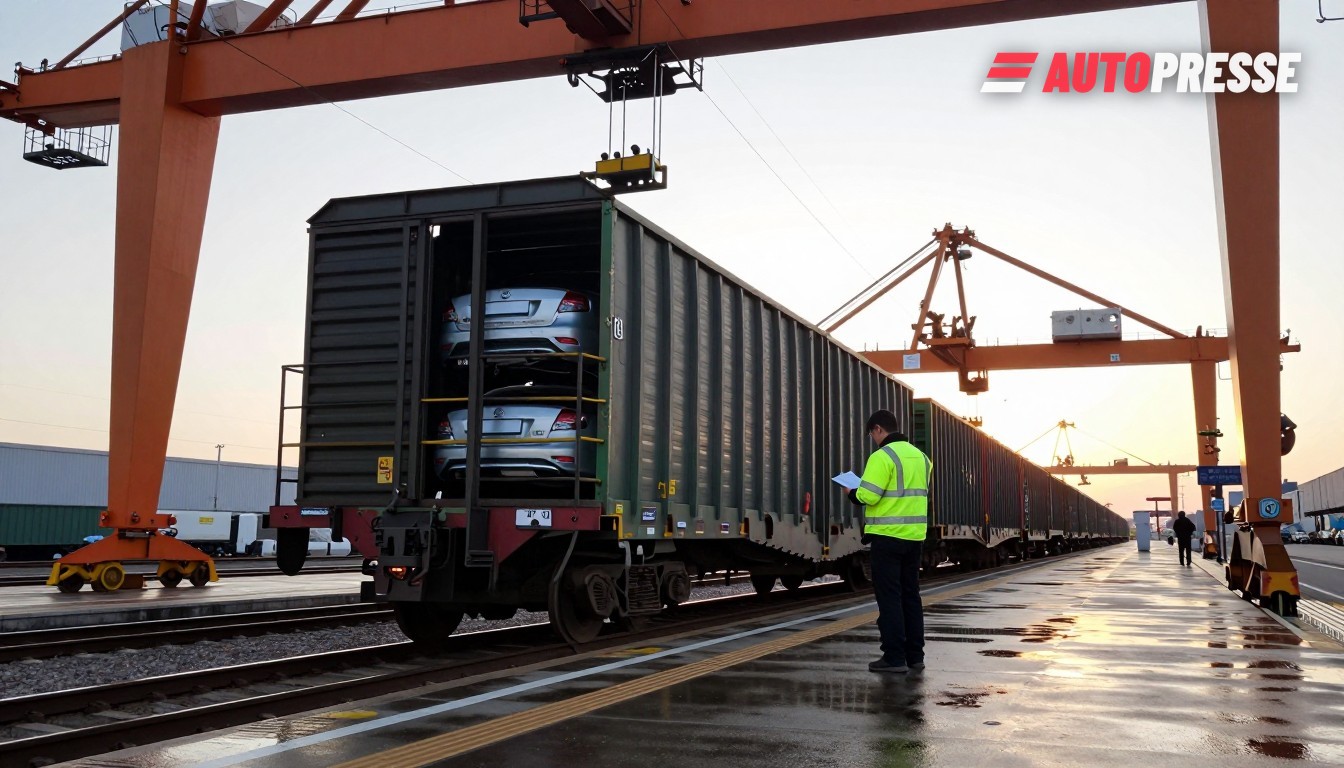
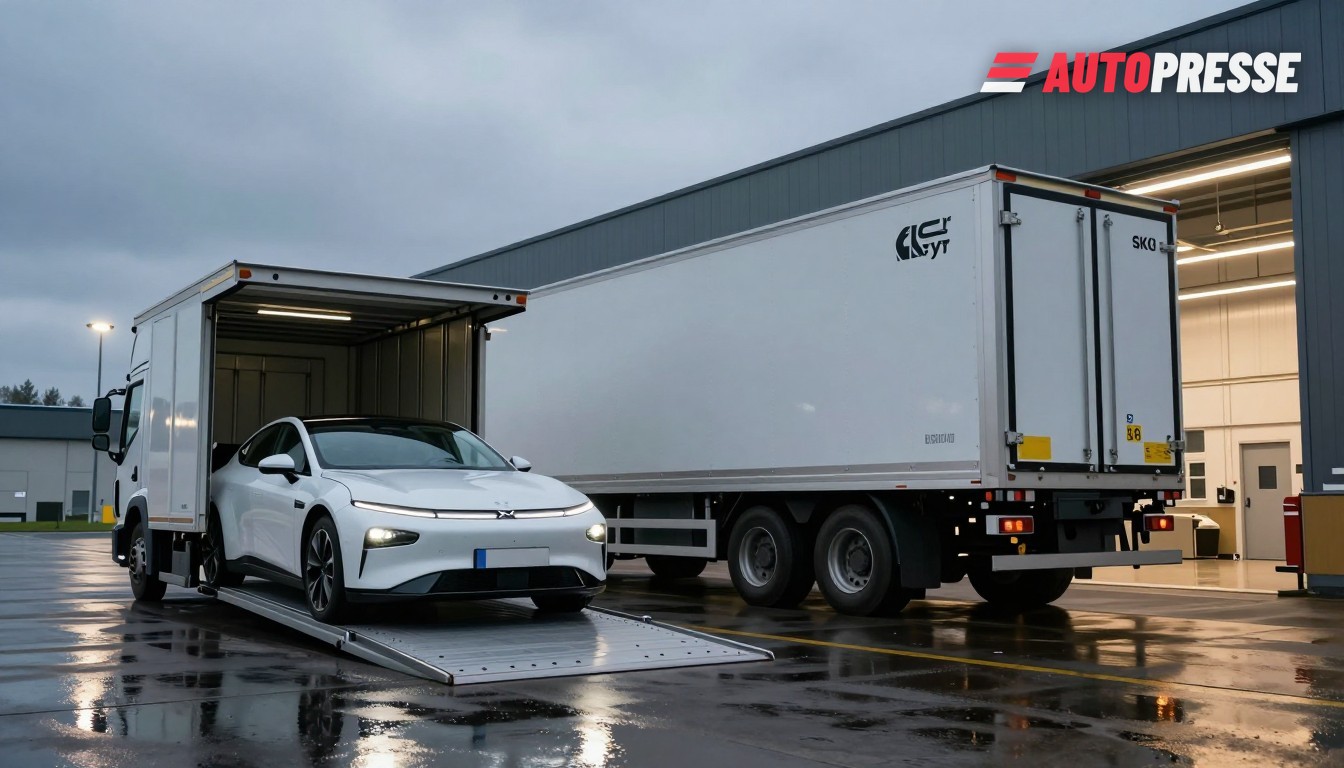
At the same time Austria’s Magna Steyr has moved from occasional contract jobs to steady local production for Chinese brands. XPENG’s G6 and G9 have been built in Graz since 2025, the P7+ began rolling off the line in early 2026, and XPENG confirmed plans for a fourth model to be assembled in Graz before the end of 2026 — a step Magna itself highlights in investor slides that show Graz assembling multiple programmes for XPENG and other customers.
Those vehicle programmes change buyer behaviour for nearby suppliers: semi‑knocked‑down (SKD) kits and increasing local assembly bring demand for more European‑sourced components, but they also raise pressure on parts makers to move capacity closer to final assembly or risk losing content to suppliers already near Graz or other contract plants.
Meanwhile some production is shifting out of Germany: European Rubber Journal reported in September 2026 that Continental is relocating certain solid industrial‑tire production from Korbach to Asia as the group tightens manufacturing footprints — a reminder that ownership change and cost pressure can precipitate geographic moves even as other activities are localised.
What this means for the market
For German suppliers the ContiTech sale and agreed job reductions signal both disruption and opportunity. Private‑equity ownership typically brings a sharper focus on margins and selective investment; that can mean further plant rationalisation, but also pockets of investment where Lone Star or successors see competitive advantage. The May 2026 social‑plan agreement shows some restructuring is already contracted and will be implemented.
For Austria, Graz’s growing role as a low‑friction contract‑manufacturing hub for Chinese OEMs boosts demand for local stamping, electronics and logistics suppliers — and gives regional suppliers leverage to win new programmes if they can meet European quality and certification requirements. Magna’s public materials and industry reports note Graz is now assembling several complete vehicles for XPENG and other brands.
Across both countries, procurement teams will face two simultaneous pressures: defend content and margins against lower‑cost global suppliers, and respond quickly to new local production nodes so they can capture the rising share of component volume that assembly in Graz (and similar sites) will create. For shop‑floor employees the immediate reality is a mixed one — job‑loss agreements at ContiTech are real, while Magna’s expansion is creating fresh hiring opportunities in Austria.
B2B vehicle listings on WorldTrader24 →
Sources: Continental, Electrive