Germany and Austria are racing to remap the backbone of European goods movement: Berlin is retooling how it pays for roads and highways, while Vienna and ÖBB are locking in multi‑billion euro rail programmes and new intermodal capacity. The moves affect drivers, hauliers, ports, and factory supply chains — but policymakers and industry groups say money alone will not fix falling freight volumes or bottlenecks caused by renovation works and staff shortages.
New money — and a new financing model for roads
The German budget draft for 2027 foresees a transport core budget of €26.43 billion and assigns roughly €17.72 billion from the federal "Sondervermögen Infrastruktur und Klimaneutralität" for transport investments in 2027. The plan also sets out higher rail funding (an increase of about €310.5 million to roughly €3.0 billion for the Bundesschienenwege) and signals that the Autobahn GmbH will be granted limited credit capacity and a direct share of Lkw‑maut receipts from 2028 — steps intended to give long‑term predictability to road investment.
Industry associations welcomed the shift toward predictable capital but warned that some targeted support lines risk being squeezed: the Bundesverband Materialwirtschaft (BME) highlighted concerns about cuts to rail‑siding grants (a proposed line of roughly €20 million) that could slow private connections to the network. Logistics federation DSLV called for reliable, multi‑year federal allocations so operators can plan capacity changes.
Austria: heavy rail bets as freight weakens
ÖBB plans large upgrades in the coming years — public reporting and industry coverage put ÖBB’s framework investments at about €19.5 billion between 2027 and 2032, and regional packages such as a Vorarlberg mobility programme commit roughly €1.085 billion by 2031 to modernise terminals and boost freight capacity on strategic corridors. ÖBB’s own results show rail freight performance fell in 2025 (down ~4% to 26.2 billion net tonne‑kilometres) and the operator is reconfiguring services to keep raw‑material flows moving despite construction works.
Across the Alps, private and state actors are coordinating to maintain industrial supply chains: ÖBB Rail Cargo Group, voestalpine and partners increasingly route materials from the Port of Koper and other gateways to Austrian steel sites using tailored, sometimes cross‑border timetables. The logic: invest in rail capacity and reliability where traffic remains strategic.
Ports and terminals: intermodal capacity expands, automation arrives
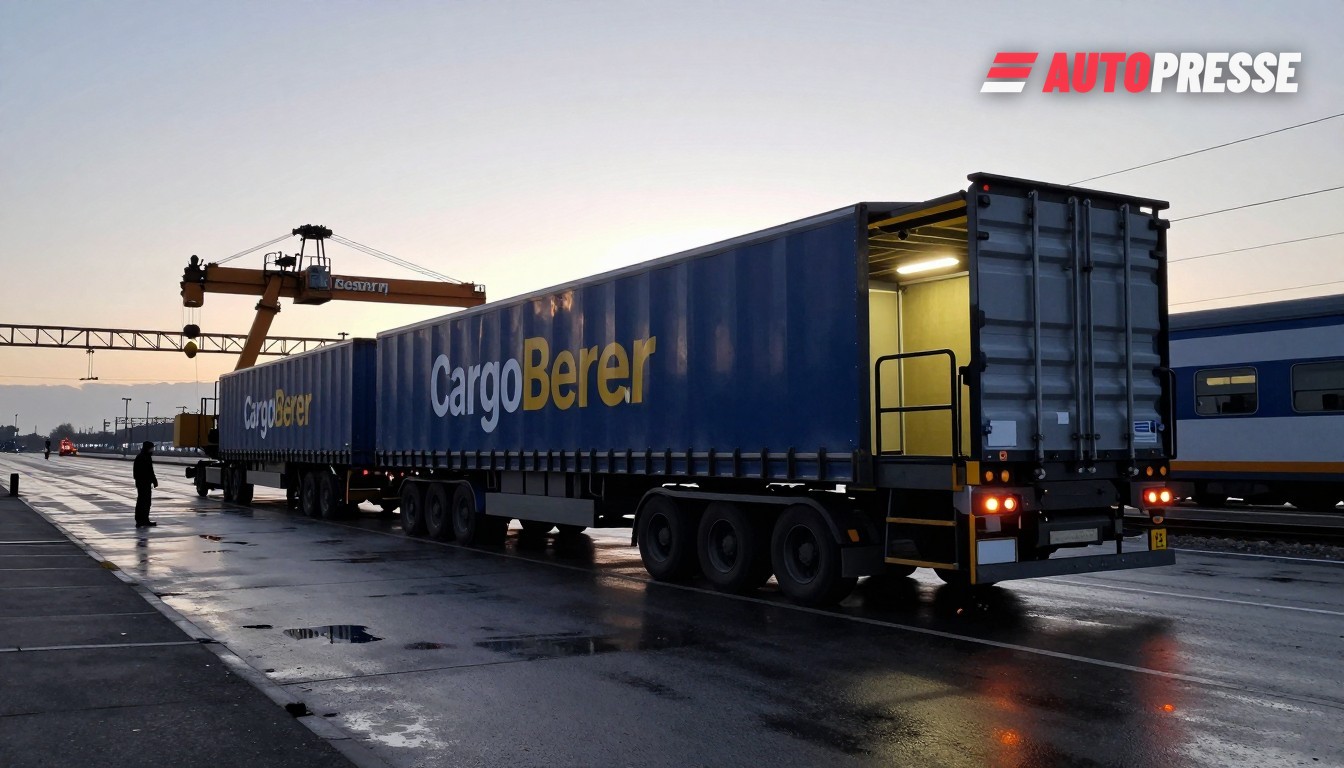
Ports and private logistics groups are expanding intermodal terminals to handle longer trains and lift transshipment performance. Rostock extended its intermodal infrastructure and now serves dozens of weekly intermodal trains to southern and eastern Europe after track extensions, while BASF confirmed a six‑figure rail‑logistics investment (reported at more than €100 million) at the Ludwigshafen hub to shift freight onto rail. At the same time CargoBeamer has taken operational control of the Kaldenkirchen terminal and is expanding it into Germany’s first full CargoBeamer automated facility with phased commissioning planned for early 2027 — a sign that private tech can raise throughput on north–south routes.
But capacity growth is colliding with weak demand: Deutsche Bahn’s market outlook warns that German freight volumes fell again in early 2026 and that sustained stabilisation is not expected before 2027, underlining that new terminals and billions in spending must align with market recovery to pay off.
What this means for the market
Short term: hauliers and port operators can expect clearer, larger investment programmes for roads and rail, but construction and corridor modernisations will continue to create temporary bottlenecks. Shippers should budget for service adjustments, longer transit times on some corridors and new intermodal options as terminals such as Kaldenkirchen and Rostock ramp up capacity.
Medium term: predictable Autobahn financing and large rail programmes in Austria and Germany create an opportunity for a modal shift — provided sidings and last‑mile links are funded and implementation speeds up. If freight demand remains weak through 2026–2027, operators face the twin challenge of amortising investments while adapting service portfolios and pricing.
Sources: Deutscher Bundestag, Deutsche Bahn, ÖBB, CargoBeamer, ICIS, Rostock Port, BME, DSLV