Germany and Austria’s supplier base is splitting into two stories: pockets of heavy industrial investment in Europe—led by steel and validation capacity in Austria—while small and medium suppliers in Germany signal retreat as finance and location pressures mount. That mix affects parts availability, local jobs and the cost of maintenance for drivers and fleets across both countries.
Cash for green steel and real‑world testing
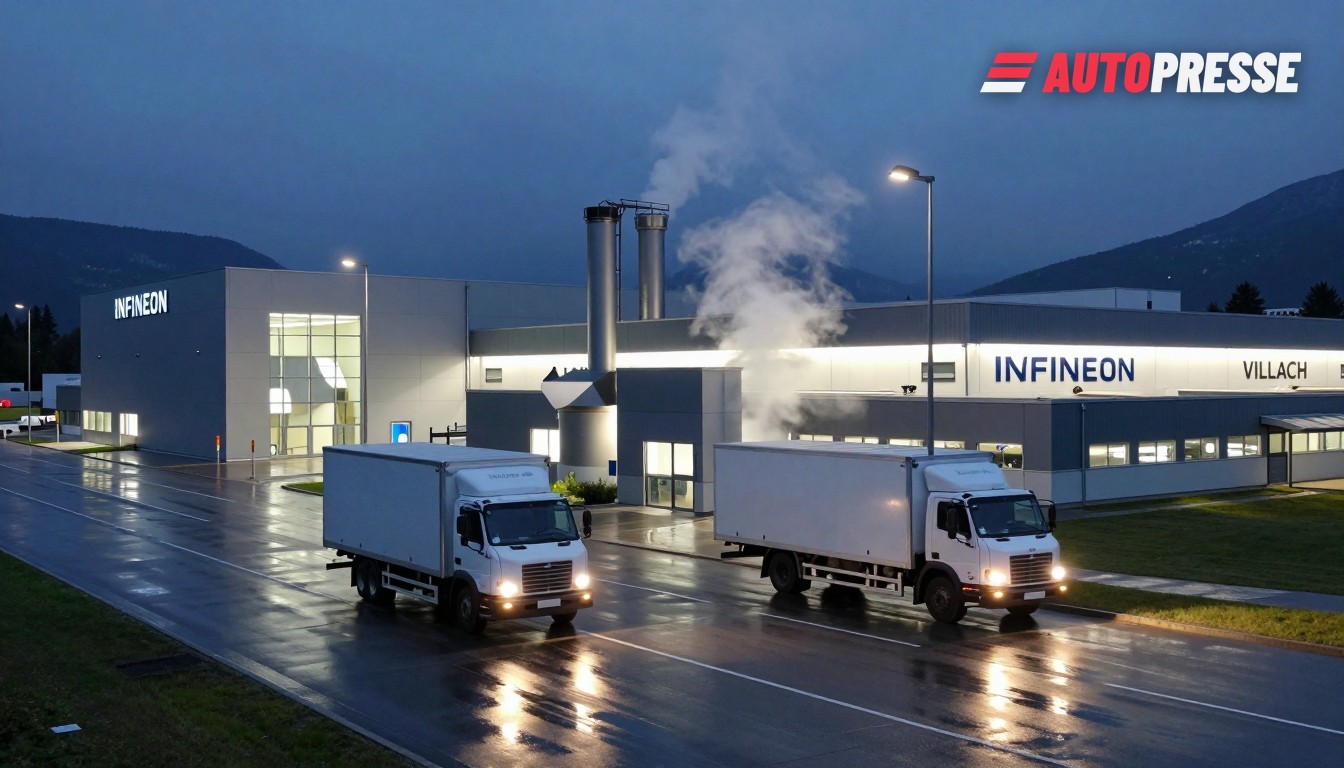
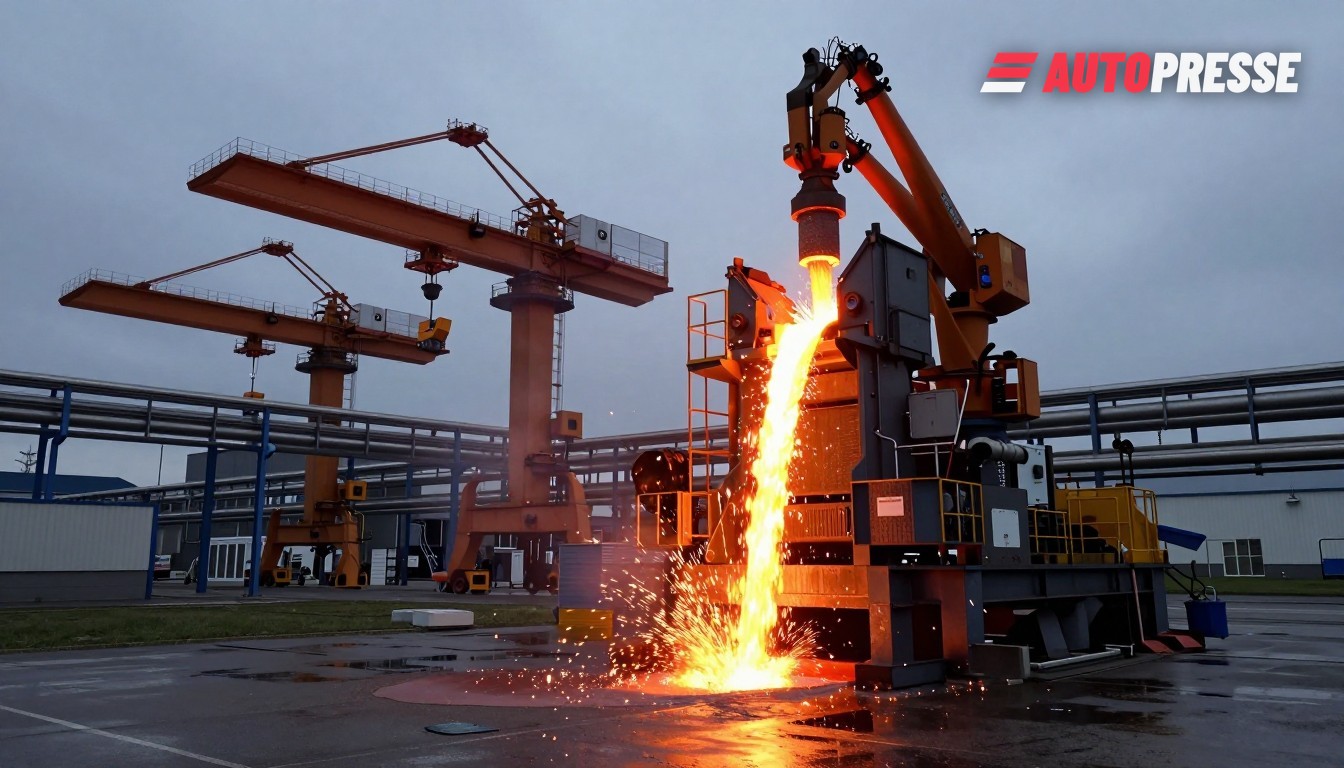
voestalpine confirmed in June 2026 a roughly €100 million expansion at its Donawitz site to scale what it calls “greentec steel” — upgrades include a third secondary‑metallurgy line and expanded scrap logistics that the company says will cut almost 4 million tonnes of CO2 a year, roughly 5% of Austria’s emissions.
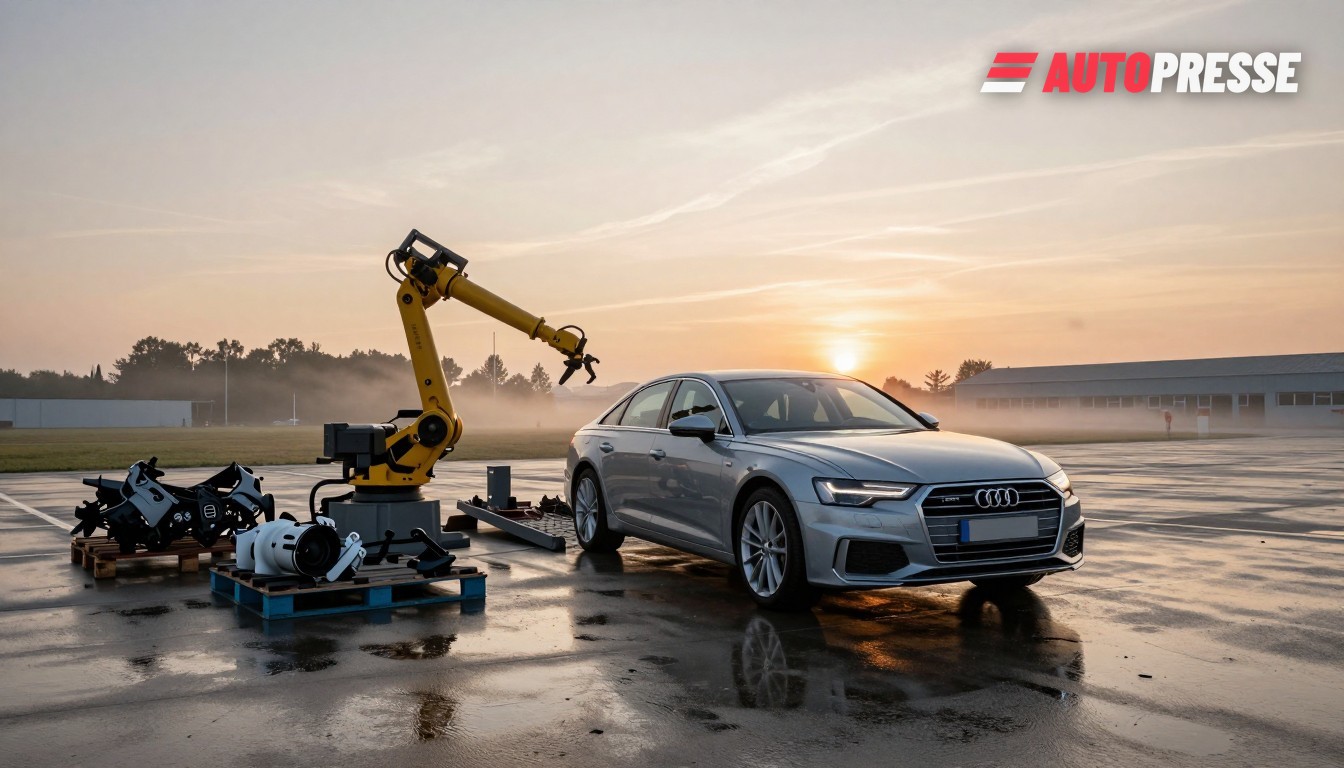
Meanwhile Austrian test and engineering house AVL has pushed validation out of the lab and onto public roads: AVL announced a successful test run of an autonomous vehicle on the Pyhrnautobahn in Styria as part of expanded on‑road validation and new simulation partnerships this year, underlining Austria’s growing role in software, ADAS and battery testing.
Financial strain among German suppliers
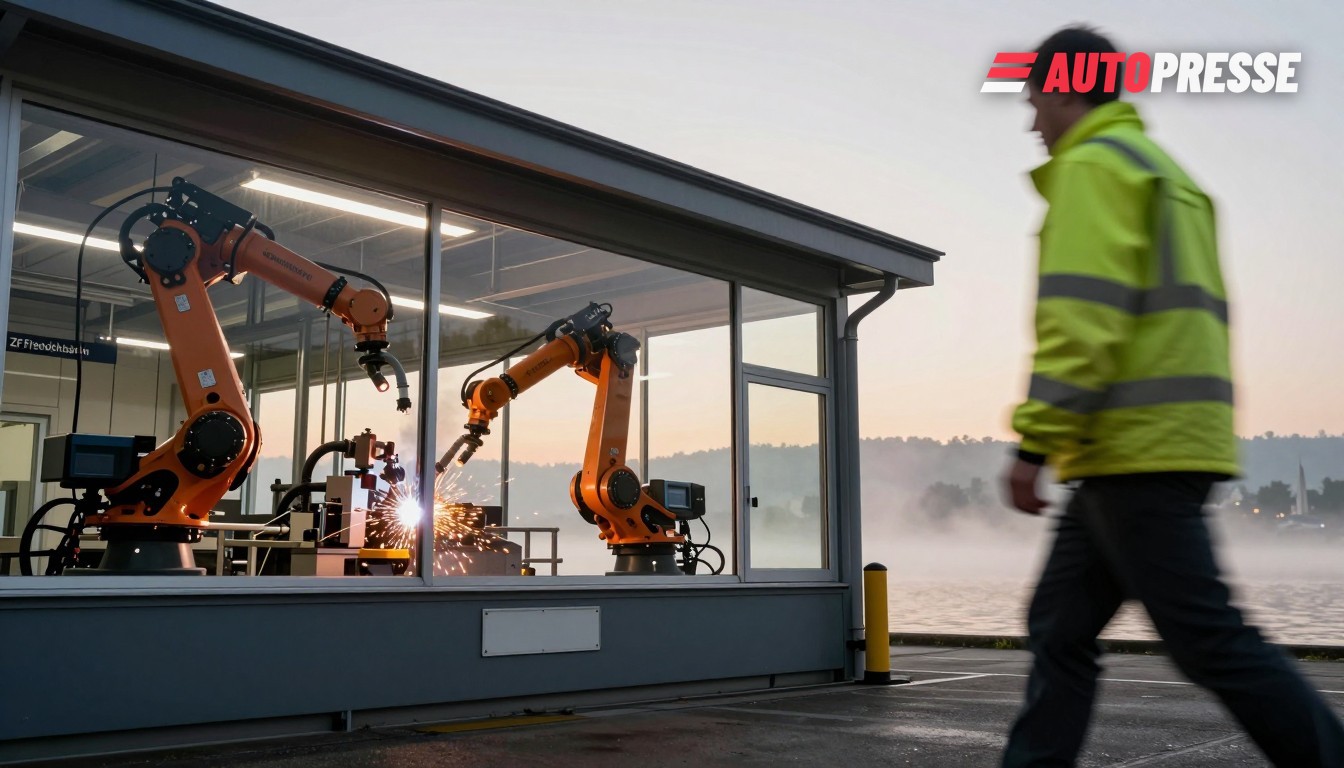
At the same time surveys show German suppliers are tightening investment and cutting labour. The German VDA’s November 25, 2026 survey of automotive SMEs warned of a “crisis of business location” and recorded continuing investment restraint among smaller suppliers.
Consultancy Berylls’ 2026 review found broadly stable margins but falling revenue across suppliers and highlighted large‑scale structural change: “Germany has already lost a net total of 40,000 jobs in the automotive industry and 38 supplier plants; these job losses will continue through 2027 as plants are relocated to Eastern Europe and North Africa,” the report said, and added wage and cost pressures could trigger further cuts.
What this means for the market
For buyers and fleets the result is mixed. Investments such as voestalpine’s reduce reliance on distant steel imports and can lower long‑term CO2 and raw‑material risk for body and chassis suppliers; the scale of the Donawitz upgrade also secures Austrian supply for tier‑one customers.
But the VDA and Berylls data point to shrinking domestic capacity among smaller German suppliers and delayed local investment, which raises near‑term risks for parts lead times and repair costs — a squeeze felt downstream by dealers and independent workshops. The growth of on‑road and lab validation capacity in Austria (AVL’s work and new test‑bed activity) offsets some risk for software, battery and ADAS validation but does not substitute for lost manufacturing footprints.
Suppliers with scale and capital — steelmakers and specialist test houses in Austria — are winning the most visible orders and public support. Smaller German tiers face a strategic choice: invest in automation and services, consolidate or relocate. That will determine whether spare‑part availability becomes a structural cost for German and Austrian drivers into 2027.
B2B vehicle listings on WorldTrader24 →
Sources: VDA, Berylls, voestalpine, AVL, AutoPresse