Germany and Austria are seeing a concentrated wave of infrastructure and fleet moves that matter to drivers, dealers, suppliers and logistics staff. In the north, a €1.35 billion federal programme formally launched this autumn will upgrade Bremerhaven into a dual‑use “Deployment Hub” through 2031; in Austria ÖBB has begun assembling two new gantry cranes at Wels as part of a €68 million terminal modernisation. At the same time Austrian operators are rapidly adding battery‑electric heavy trucks, and pan‑European carriers are testing high‑power e‑trucks in day‑to‑day runs — all changes that reshape lead times, depot needs and workshop skills.
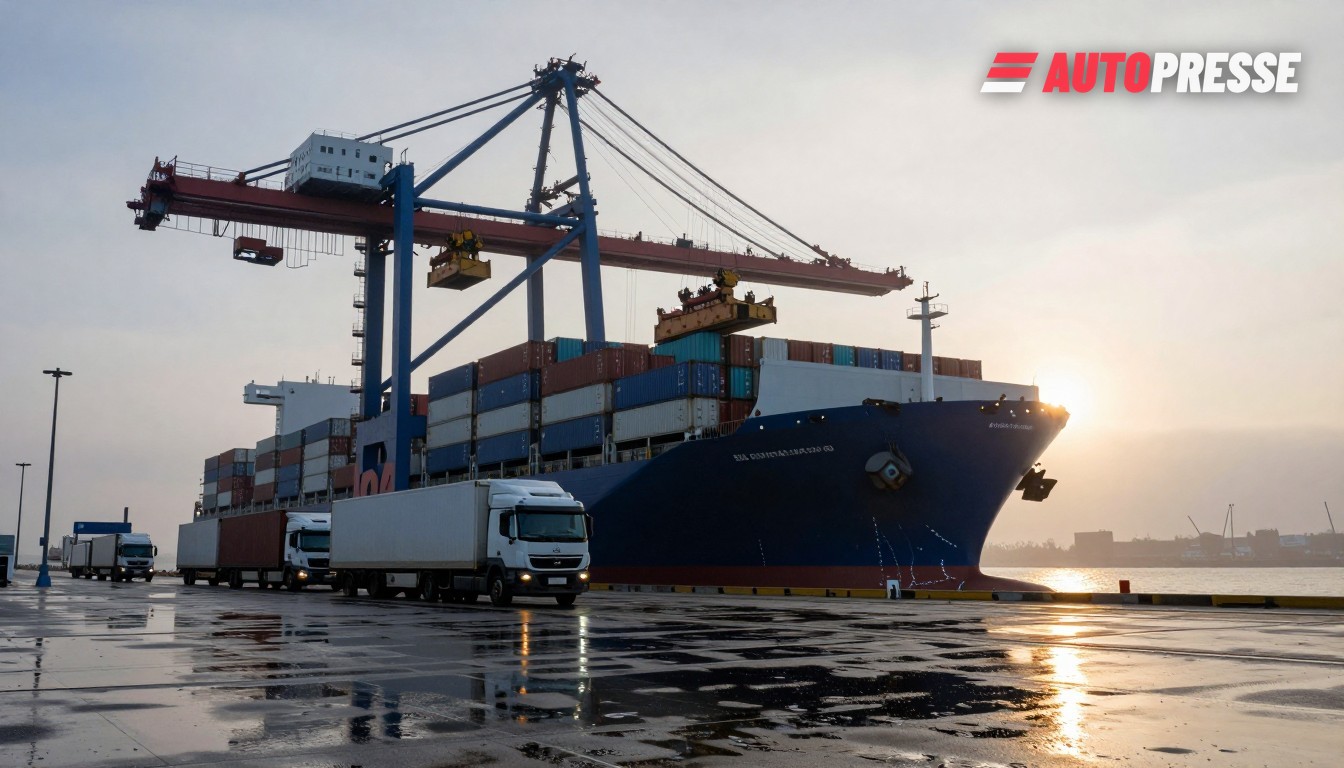
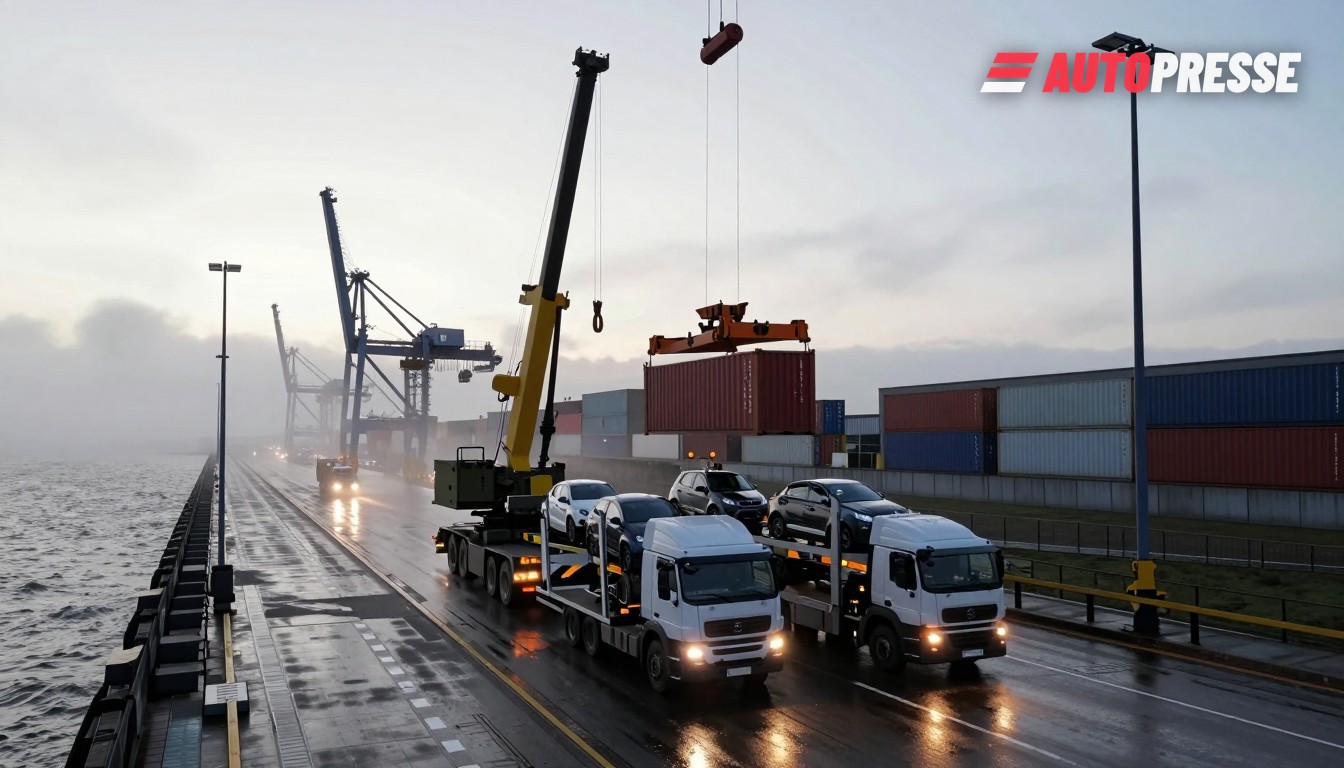
Bremerhaven’s Deployment Hub Bremerhaven 2031 was set in motion in early November 2026 when the federal government, the Free Hanseatic City of Bremen and bremenports signed administrative agreements and first contracts for a package of measures worth about €1.35 billion aimed at strengthening port infrastructure and hinterland links through to 2031. Officials framed the scheme as a multi‑year investment to modernise quays, connection canals and rail links. The programme’s launch and scope were confirmed in government and port statements in November 2026.
Terminal upgrades: Wels and wider rail capacity
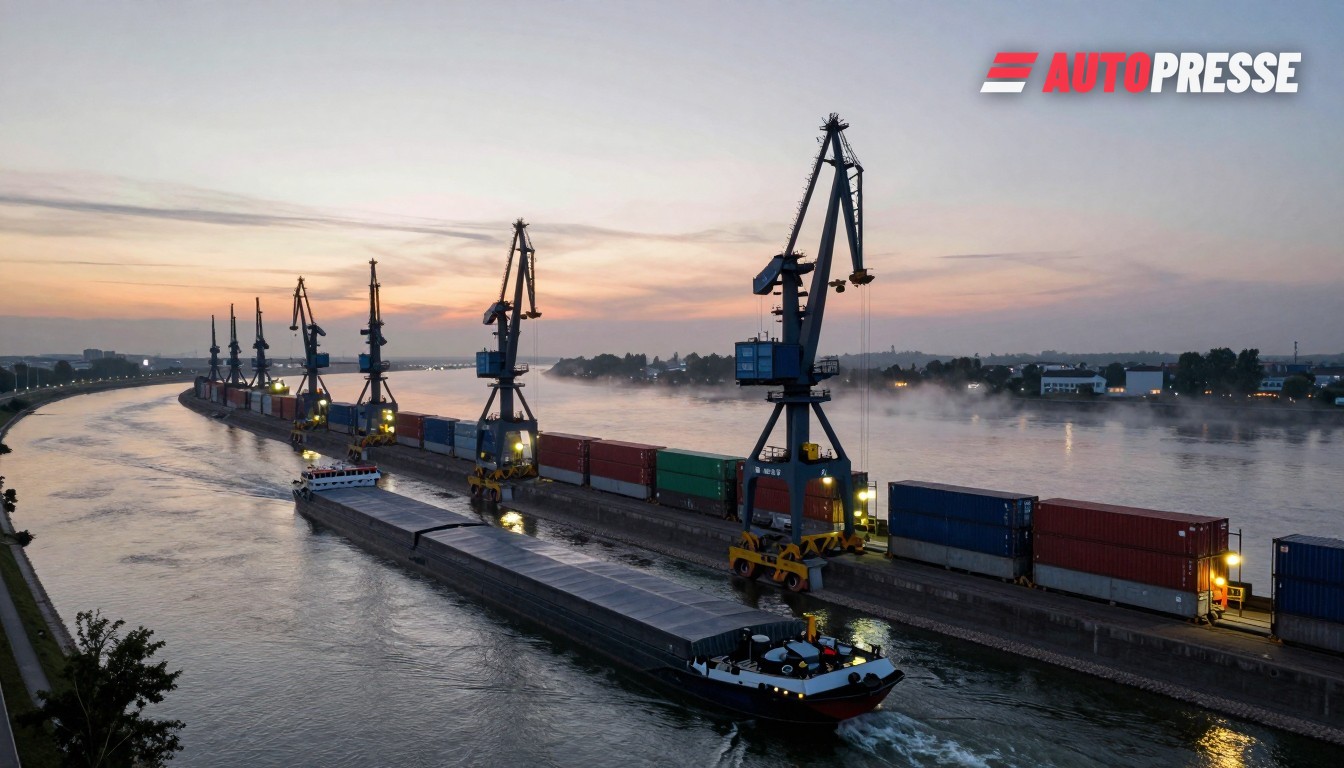
In Austria ÖBB has started erecting two new gantry cranes at the INFRA Terminal in Wels as part of a planned €68 million upgrade that will lengthen loading tracks, add a longer crane runway and introduce digitalised handling and video‑gates. ÖBB’s press office reported the crane components arrived in 53 deliveries and work began in late October 2026; the project is scheduled to enter full operation by mid‑2027. The investment is explicitly designed to improve train access and two‑direction entry to the terminal, easing cross‑border flows.
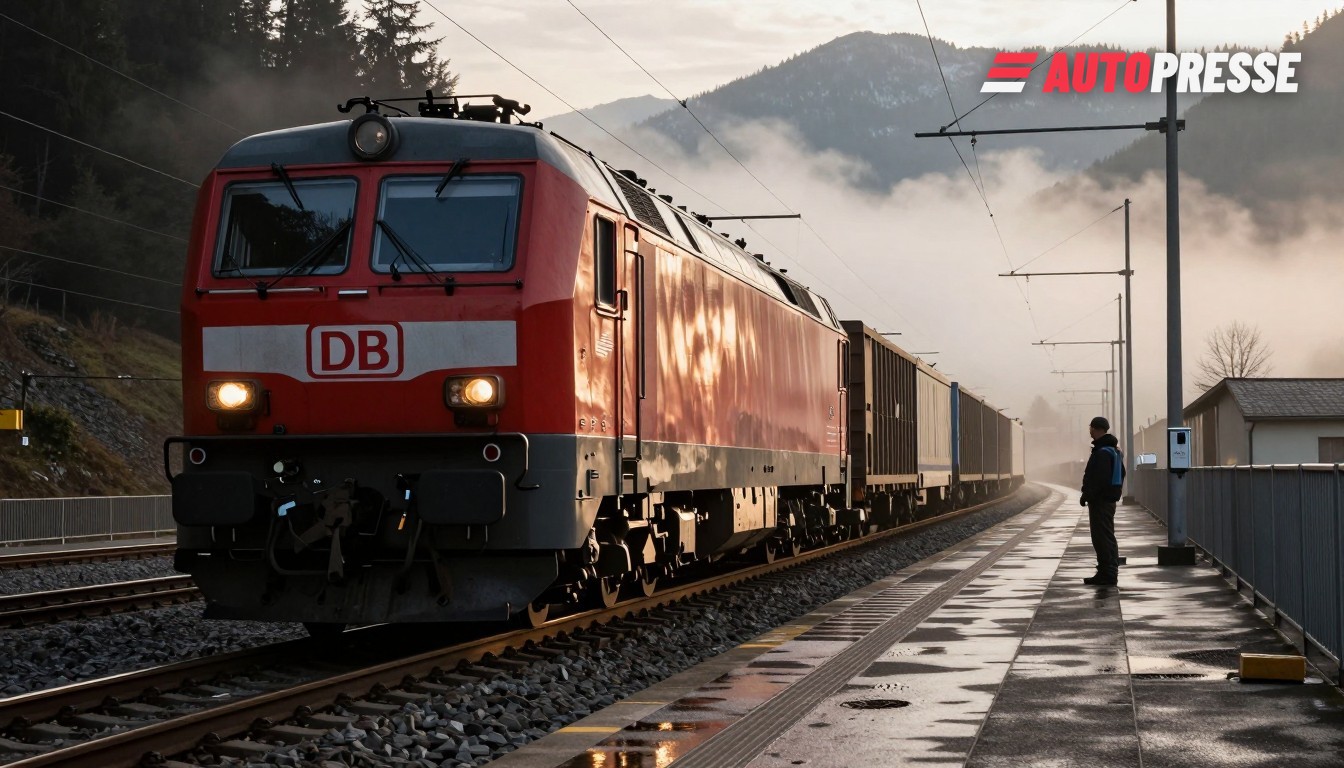
Those terminal moves sit alongside other German and Austrian programmes that aim to increase intermodal capacity — a direct response from shippers to weaker schedule reliability at sea and selective blank sailings this autumn, which have pushed some manufacturers to rebook routes and build larger buffers. Logistics managers are therefore balancing faster terminal handling against still‑fragile rail and road networks.
Fleets and chargers: Austria races on e‑trucks
Austrian carriers are accelerating electrification on the road. Quehenberger Logistics confirmed plans in November 2026 to nearly double its Austrian battery‑electric truck fleet from 13 to 24 vehicles by the end of 2026, and to add roughly 50 more e‑trucks through 2028, targeting an owned‑fleet electric share of around 60% by 2027. The company says it will increase depot charging capacity and prioritise urban and predictable routes for e‑trucks.
At the same time large logistics groups are advancing Europe‑built heavy e‑truck pilots into commercial service: DHL Freight confirmed that the SuperPanther eTopas 600 has been in regular operation since September 2026 in the Netherlands (press release dated 14 October 2026), reporting ranges up to ~500–560 km and battery capacities near 621 kWh in the commercial vehicle’s specification. DHL says lessons from daily operations will inform wider roll‑out and depot charging plans.
What this means for the market
The combined picture is concrete: ports and terminals are receiving large public and private capital to handle different ship and train rhythms, while Austrian road fleets are moving from pilots to scale — but only where depot chargers, predictable routes and skilled maintenance exist. For carmakers and dealers this shortens some lead times (import stock can turn faster where terminals and inland links are modernised) but raises expectations for on‑site prep facilities, high‑power depot charging and trained technicians who can service high‑voltage vehicles and automated terminal equipment. For logistics employers the immediate priorities are recruitment and retraining (terminal automation, remote crane operation and e‑truck servicing), and for regional planners the challenge is to synchronise grid upgrades, permitting and workforce supply.
WorldTrader24 B2B-Fahrzeugmarkt für Händler →
Sources: ÖBB press office, bremenports, DHL Group, Quehenberger Logistics, Bremen Senat