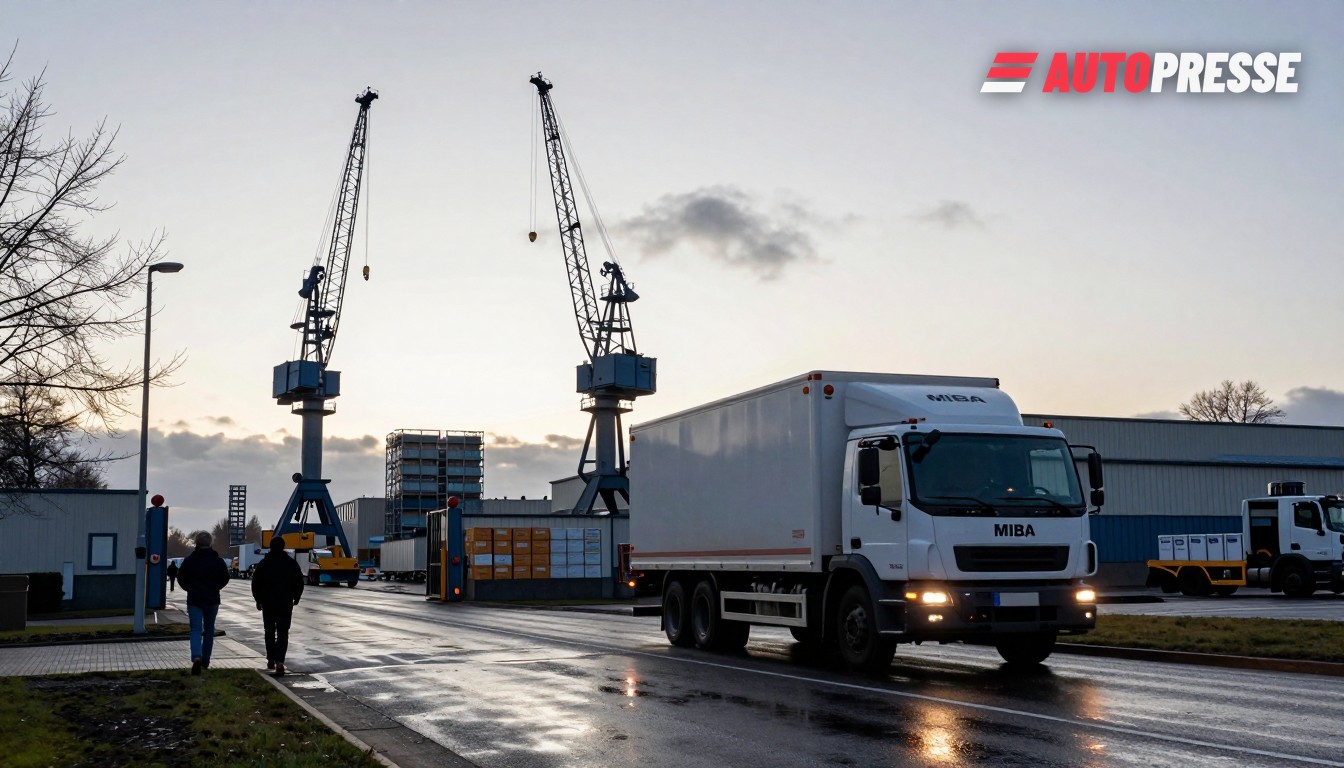
Germany and Austria’s supplier map shifted sharply in late 2026 as dealmaking and corporate realignment reshaped industrial portfolios and plant plans that matter to OEMs, dealers and thousands of workers.
Cross‑border deal: Miba expands, RENK narrows
On October 22, 2026 RENK Group AG announced the sale of its Slide Bearings business (based at the Hanover site) to Austria’s Miba AG as part of RENK’s strategy to focus more tightly on defence markets. RENK said the unit will be reported as a discontinued operation from Q4 2026 and updated its 2026 guidance for continuing operations to revenue ~€1.4 billion and adjusted EBIT of €240–€255 million.
RENK described Miba as a strong strategic partner; the buyer is an Austrian industrial group with roughly 7,400 employees and reported revenue of more than €1.2 billion for fiscal 2025/26, figures cited in RENK’s announcement. The parties kept the purchase price confidential; separate market reports put the agreed price in the “low to mid three‑digit million” euro range.
Separations, listings and the supply chain
SKF’s planned carve‑out of its Automotive business — rebranded SKF Vertevo — continues toward a market listing: SKF’s Board convened an Extraordinary General Meeting and set a timeline that points to a Nasdaq Stockholm listing and first trading for SKF Vertevo on or around 1 December 2026 (record date and shareholder steps were set in September 2026). That separation will create an independent automotive supplier group with direct implications for ordering, service and spare‑parts flows across Germany and Austria.
Meanwhile Continental pressed ahead with its realignment toward a pure‑play tire maker: the company announced the planned sale of ContiTech to a Lone Star affiliate and confirmed structural moves including investment in a Korbach wind farm — and a redeployment of some industrial‑tyre production toward sites in the Asia‑Pacific region. Local reporting and company statements say the Korbach shift will affect roughly 140 jobs as production is relocated stepwise to Sri Lanka and Malaysia. These changes change the supplier landscape for industrial rubber and hose systems used by vehicle makers and logistics fleets.
What this means for the market
Three clear trends emerge. First, consolidation: Miba’s acquisition adds scale in industrial bearings and strengthens an Austrian supplier that can bid for European energy and e‑mobility contracts — and it centralises slide‑bearing know‑how previously held inside a German defence‑centric group.
Second, structural separations such as SKF’s Vertevo listing will make automotive component supply more transparent to capital markets but may also short‑termly raise negotiation leverage for customers and complicate long‑term sourcing as buyers weigh standalone supplier balance sheets.
Third, geographic re‑shoring and offshoring choices at larger groups (Continental/ContiTech) will continue to reshape employment and production footprints: moves to Asia‑Pacific for specific product lines ease cost pressure but concentrate risk in logistics and lead times for European OEMs. Local job effects (Korbach ~140 roles reported affected) underline the social and political sensitivity of these decisions in Germany.
For German and Austrian dealers, buyers and plant workers the immediate result is more supplier concentration and faster change cycles — procurement teams must track ownership shifts, independence moves and plant retooling as contracts, spare‑parts availability and lead times can change faster than forecasts assumed just a year ago.
WorldTrader24 B2B-Fahrzeugmarkt für Händler →
Sources: RENK Group AG, Miba AG, SKF, Continental, Investing.com