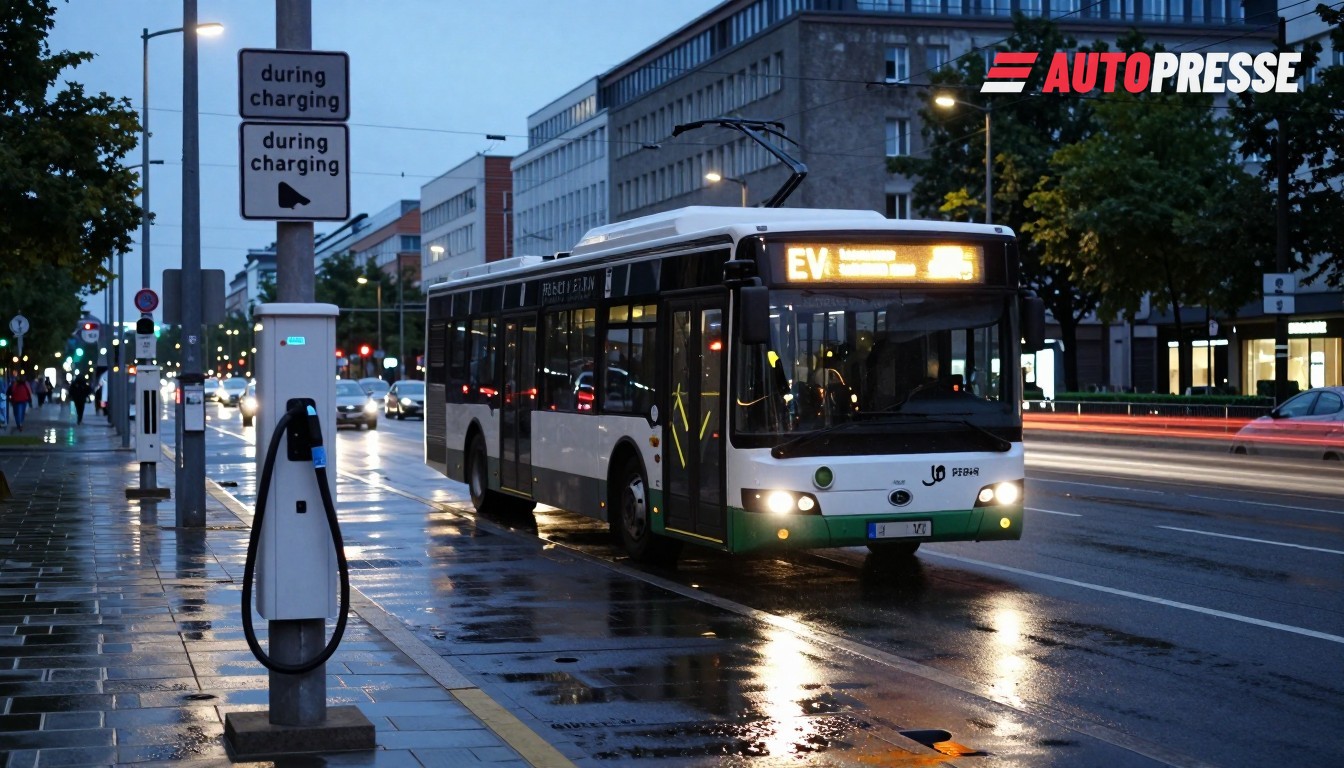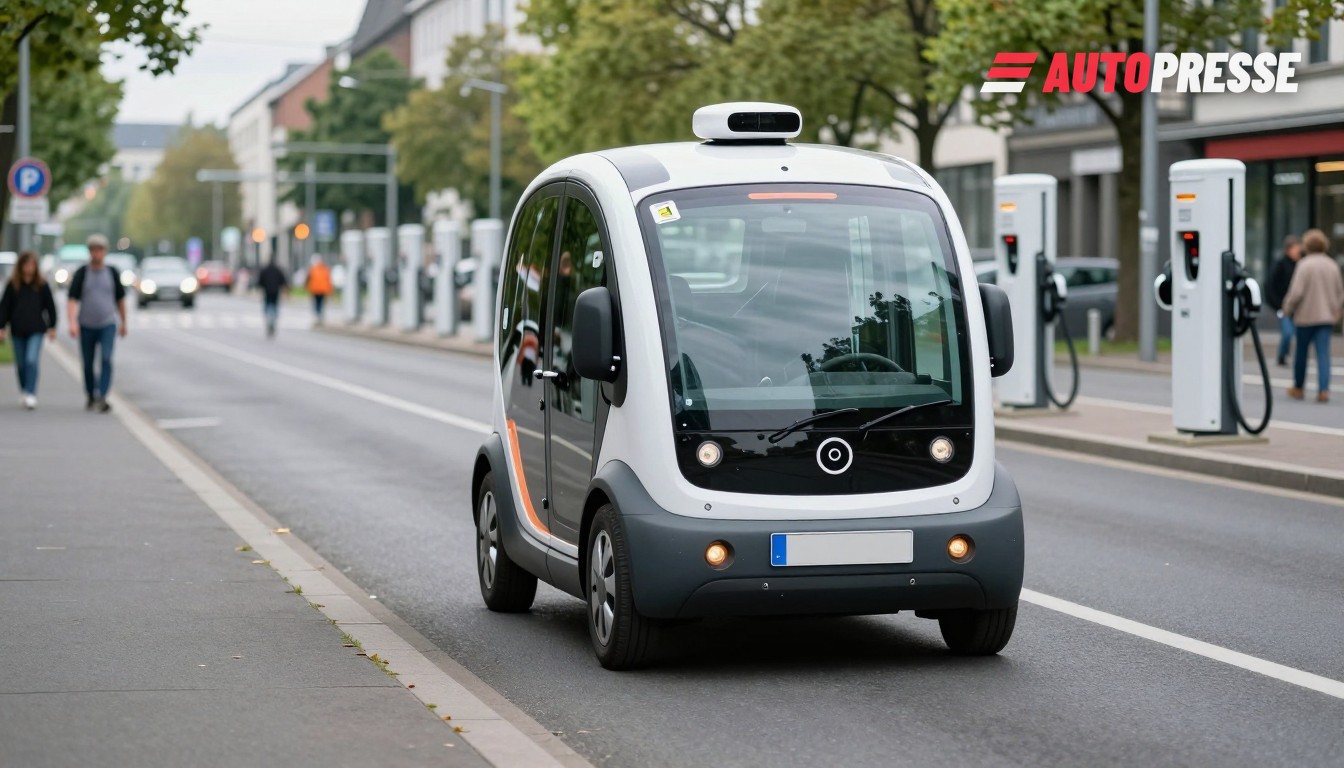
Berlin and Vienna moved from plans to prescriptions in 2026–27: Germany has enacted a national law enabling truly autonomous (level‑4) vehicles in defined operational areas and has legally anchored a National Access Point for mobility data, while Austria passed a package that lengthens vehicle‑inspection (“Pickerl”) intervals and forces a dense charging grid along federal roads. Those measures carry precise dates and targets that matter to drivers, fleets, dealers and charging operators across both countries.
Germany: Level‑4 on the books, data made mandatory
On 25 September 2026 the Federal Ministry of Transport (BMV) published that the new law “zum autonomen Fahren” creates a legal framework to allow autonomous vehicles (level‑4) in specified operational areas across Germany and sets technical, approval and data‑processing rules for their use. The ministry described the law as enabling vehicles “in festgelegten Betriebsbereichen im öffentlichen Straßenverkehr im Regelbetrieb” and said it regulates type‑approval procedures, operator duties and data processing obligations.
Earlier in 2026 the Bundestag also adopted a law to establish a National Access Point: on 26 March 2026 parliament decided that timetable data, real‑time traffic information and the locations of usable EV charging points must be made available centrally so third‑party journey‑planning and ticketing services can use authoritative data from authorities and operators. The bill was passed with the support of CDU/CSU, SPD and the Greens.
Austria: longer Pickerl gaps, charging every 25 km on federal roads
Vienna’s transport committee approved a trio of changes on 2 July 2026 that will take effect in part from 19 May 2027: the “Pickerl” inspection cycle for cars and motorcycles shifts from today’s 3:2:1 rhythm to a 4:2:2:2:1 pattern (four years after first registration, then three two‑year checks, then annual). The same package amends the Federal Roads Act to require a nationwide rollout of charging infrastructure on federal roads — on average a charging point for cars and light commercial vehicles every 25 kilometres and every 40 kilometres for heavy trucks — with the stated target of completion by the end of 2030.
Austria’s package also includes procedural changes to speed up environmental approvals and new rules for automated driving trials. The government framed the measures as reducing bureaucracy while securing long‑term infrastructure for EVs.
What this means for the market
Manufacturers and suppliers face immediate compliance and opportunity windows. Germany’s Level‑4 framework sets the technical and approval pathway for operators and for the Kraftfahrt‑Bundesamt to issue operating permits — enabling pilots and commercial services in tightly defined areas once vehicles meet the new standards. Automotive OEMs and software suppliers who responded in Bundestag hearings (including submissions from BMW and industry groups) will need to align type‑approval dossiers and data‑handling arrangements accordingly.
For dealers and fleets, Austria’s longer inspection intervals reduce service‑bay load from mid‑2027 but increase the importance of remote diagnostics and software updates to ensure roadworthiness between physical checks. The federal‑road charging mandate (25 km/40 km) shifts planning risk from private operators to public authorities and creates guaranteed corridors attractive to fast‑charging operators and grid investors — a multi‑year procurement and construction wave that both countries’ budgets will need to absorb.
Policy timing is concrete: Germany’s National Access Point was passed by the Bundestag on 26 March 2026 and the autonomous‑driving law was published by the BMV on 25 September 2026; Austria’s Pickerl and federal‑road charging targets were decided 2 July 2026 with Pickerl changes due 19 May 2027 and the charging rollout target set to the end of 2030. These dates give industry fixed milestones for compliance, product launches and infrastructure investment.
The policy mix — safety and approval rules for autonomy, legally mandated data access, inspection reform and mandated charging‑corridors — shows Berlin and Vienna moving from incentives to firm regulatory backstops. Companies that move fast on approvals, data integration and corridor charging concessions will gain early scale; those who delay face tighter operational rules and clearer public expectations on service and safety.
Electric vehicle listings on WorldTrader24 →
Sources: Bundesministerium für Verkehr (BMV), Deutscher Bundestag, Parlament Österreich, ZDF, Gesetze‑im‑Internet