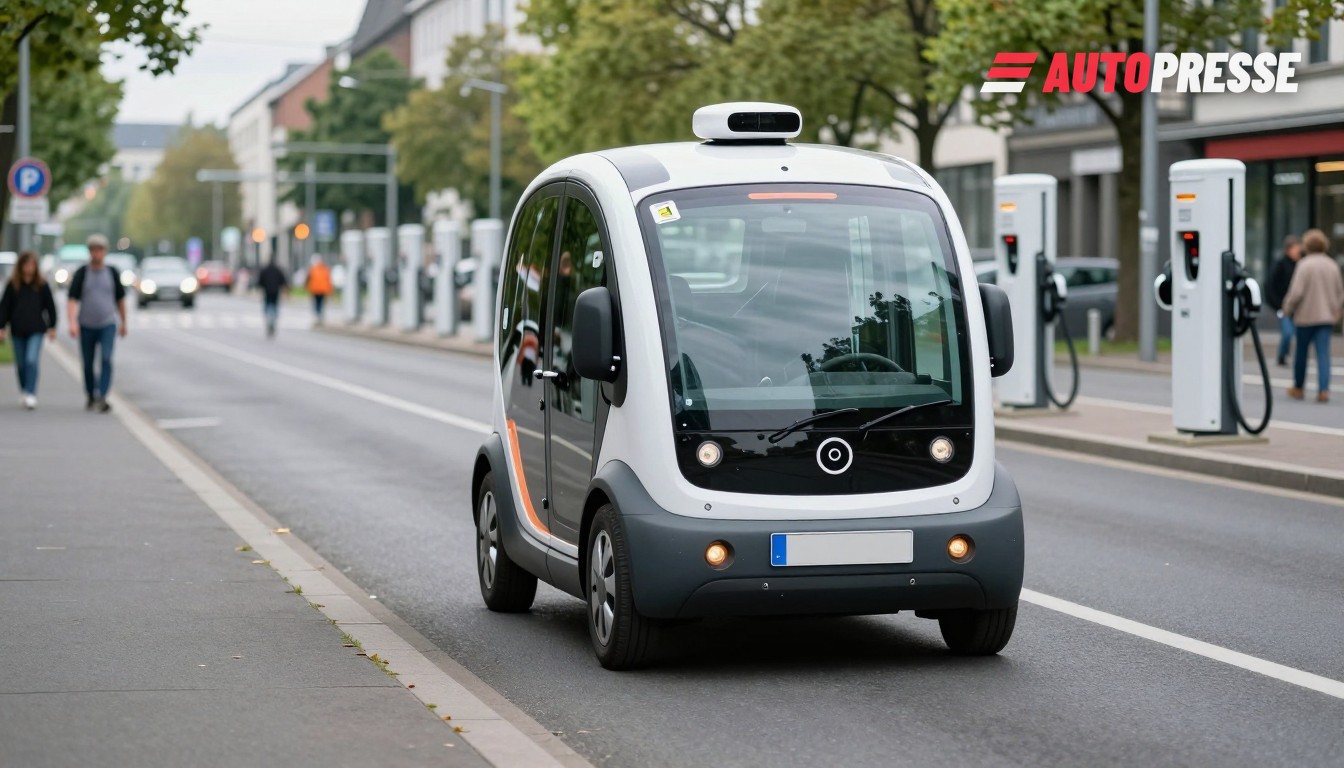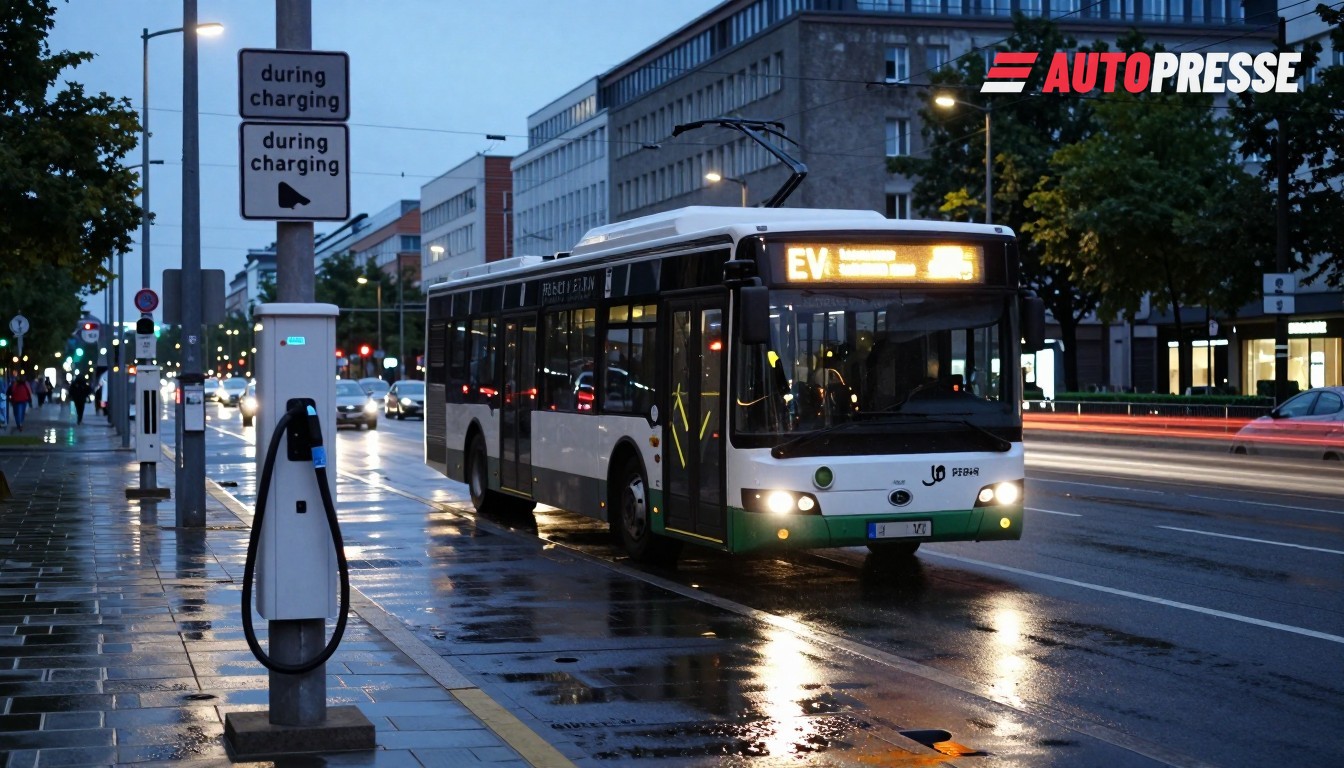
The German Bundestag on 5 November 2026 approved a government bill to revise the Elektromobilitätsgesetz (EmoG), removing the blanket expiry at the end of 2026 and fixing preferential road‑use rules for electrically powered vehicles until 31 December 2035. The change also widens the law’s scope to cover electric buses and medium‑/heavy e‑trucks and gives municipalities broader discretion over parking, resident permits and access rules.
What changed in Germany — concrete rules
The cabinet had published the reform on 29 July 2026: the EmoG novellla formally extends proven municipal instruments (reserved parking, fee waivers, access to bus lanes, exemptions from local restrictions) and permanently embeds rules that had been temporary since 2015. The government also clarified parking at public charging points: from now on electric vehicles may park at a charging point during an active charge without an E‑licence plate, simplifying signage and cross‑border use. The law explicitly opens the door for municipal privileges to be applied to electric buses and heavier electric commercial vehicles.
Austria: decentralised practice, national tax tweaks
By contrast Austria remains more fragmented. Changes to the Austrian Straßenverkehrsordnung (StVO) and related decrees in 2026 updated vehicle definitions and delegated many access and parking exceptions to regional authorities and local signage, rather than a single nationwide privileging statute. Municipal practice — from reserved charger bays to the conditions for free parking while charging — varies by state and operator.
On incentives and cost treatment Austria has tightened tax rules for employer reimbursement of home charging: for calendar year 2026 the Federal Ministry of Finance fixed the tax‑free cost‑reimbursement rate at 32.806 cent/kWh for employer payments that can be allocated to an employee’s vehicle. That figure is now the standard for payroll and benefit calculations.
What this means for the market
For German cities and regional planners the EmoG extension (to 2035) creates legal certainty: municipalities can continue to use parking, access and resident‑permit tools to prioritise low‑emission fleets and to reserve curb space for charging. Fleets and logistics operators gain clearer rules for electrifying buses and heavier trucks — but will face new local permit regimes as municipalities translate the law into local traffic orders.
For Austria the takeaways are operational rather than legislative: companies must adopt the BMF’s 32.806 cent/kWh benchmark in payroll practice, and international fleets should plan for differing local signage and parking rules across Länder and cities when scheduling cross‑border routes. Public‑procurement and wider charging plans (including the Clean Vehicles/green‑procurement obligations for public fleets) remain important drivers of demand, reinforcing the need for municipalities in both countries to coordinate charging points and curb management.
Taken together the German legal consolidation and Austria’s patchwork approach mean automakers, charging operators and dealers must treat local traffic ordinances as active policy instruments: deploying vehicles is now as much about local permissions and curated curb space as it is about battery chemistry or range. Municipal rule‑making over the next 12–24 months will determine whether reserved kerb space and charger access accelerate or constrain EV use in dense urban corridors.
Electric vehicle listings on WorldTrader24 →
Sources: Deutscher Bundestag, Federal Ministry for Transport (BMV), RIS (Austrian legal database), Austrian Federal Ministry of Finance (BMF)