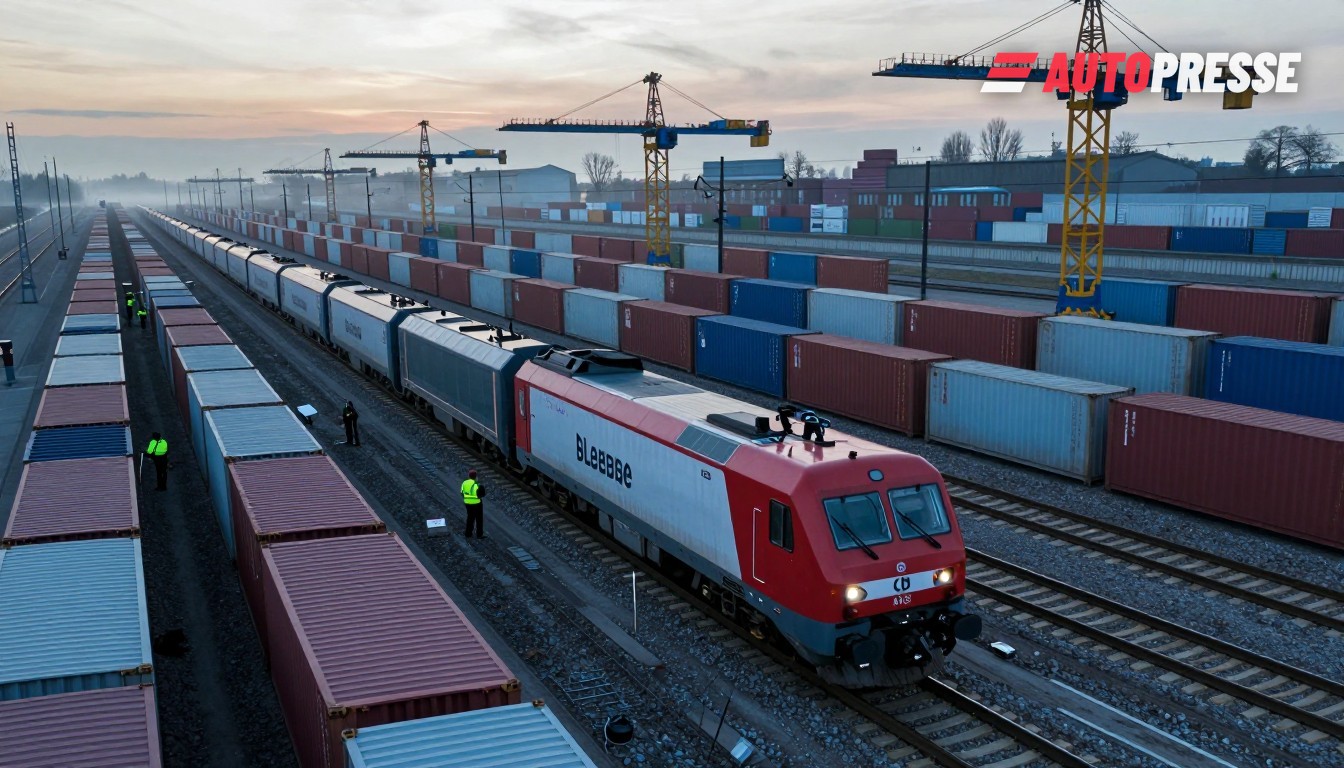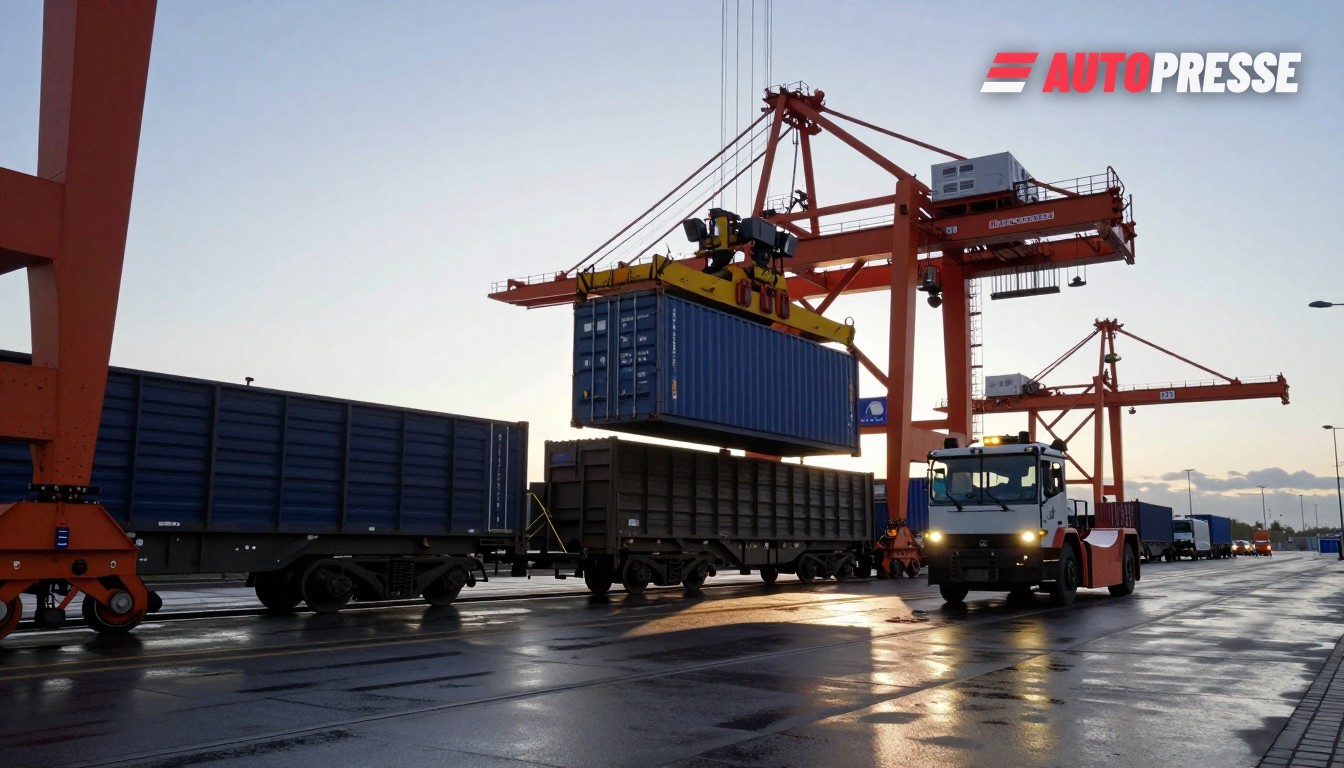
Germany and Austria are moving from pilot projects to concrete infrastructure that will reshape freight flows. Berlin has committed to a nationwide fast‑charging rollout for heavy trucks that includes hundreds of megawatt‑capable points at motorway rest stops, while Austria is lining up behind hydrogen corridors and cross‑border cooperation inside the EU Clean Transport Corridor Initiative. The result: haulage operators, depots and ports must prepare for new refuelling patterns and different investment profiles across the Alpine axis.
Megawatt charging hits the motorway
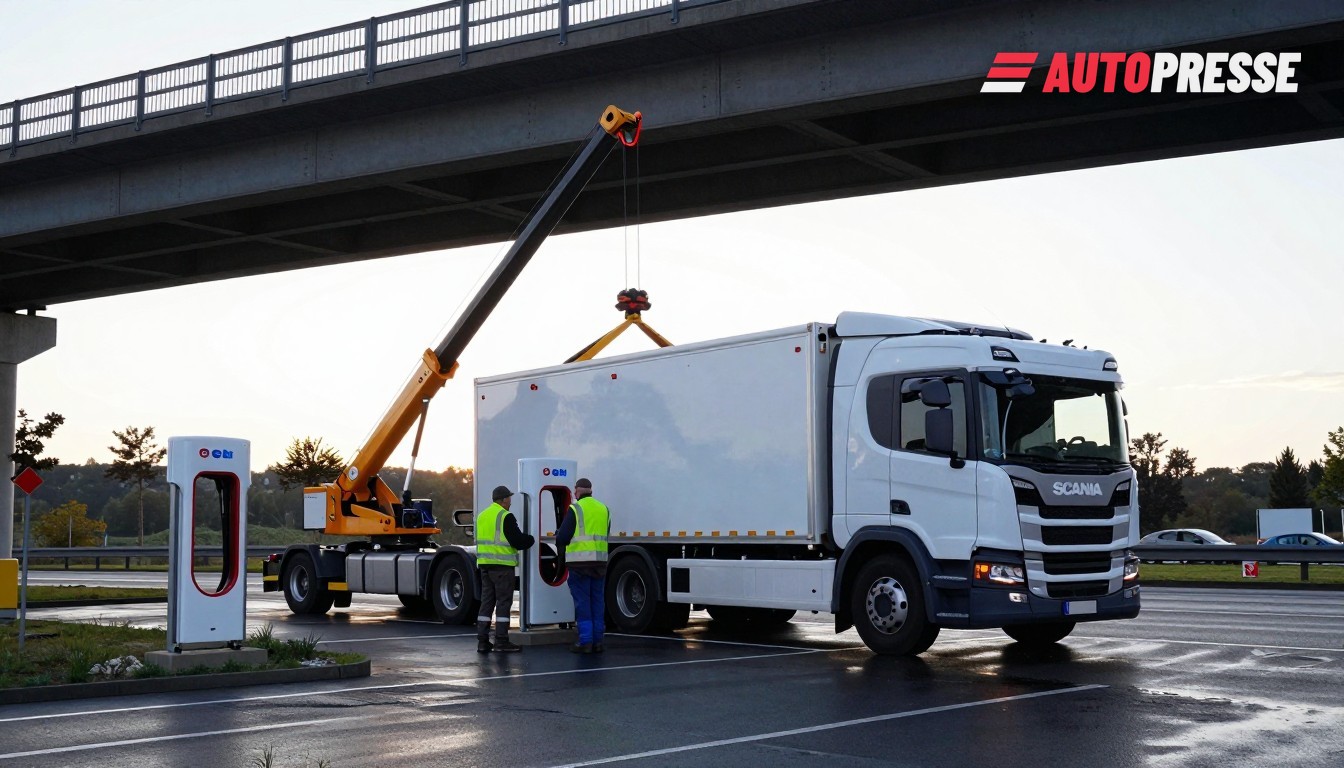
On 23 September 2026 the German federal ministry for transport confirmed a roll‑out plan that targets 836 new fast‑charging points at 124 unmanned Autobahn rest areas — including 447 sockets for Megawatt Charging System (MCS) equipment. The ministry says the measure is intended to make battery trucks operationally viable for long‑haul work by allowing a meaningful recharge during driver rest breaks.
Construction contracts and demonstrations are already following policy. STRABAG announced it won a major package to install MCS and high‑power stations on southern and western motorways, and vehicle makers and fleet pilots showcased MCS at IAA Transportation 2026 — where manufacturers argued the technology can enable full‑charge stops during regulated rest periods. Early commercial use includes a Scania e‑truck equipped with MCS that entered German service in October 2026.
Austria backs hydrogen and corridor planning
Austria has joined Germany and other Member States in endorsing Clean Transport Corridor roadmaps that aim to accelerate zero‑emission truck infrastructure along core TEN‑T routes. The June 8, 2026 Transport Council endorsement names Austria among the countries prioritising corridor action and identifies infrastructure gaps and investment needs up to 2030. That political alignment makes Austria a natural partner for hydrogen refuelling and selective megawatt sites on cross‑border links.
At the same time, European monitoring bodies note that Germany and Austria are leading in hydrogen market planning and early project activity, even though large‑scale rollout remains in planning stages. The ACER 2026 monitoring report highlights that implementation is moving slowly but is concentrated in those markets, underlining the two‑track energy strategy: battery megawatt charging on major motorways and hydrogen for routes and depots where fast turnaround and range remain decisive.
What this means for the market
For carriers and terminals the implications are immediate. Hauliers must map charging and refuelling into routing and depot investment plans: some long‑haul flows will shift to motorway corridors with MCS stops, while cross‑Alpine and low‑density routes are likelier to adopt hydrogen trucks and depot charging. Energy providers, construction firms and charging‑equipment vendors can expect large tenders and standardisation work — already visible in DIN/IEC efforts for MCS and national rollout coordination.
Ports and terminals will see demand patterns change. German container terminals continue modernization and automation investment to cope with higher hinterland throughput and shifting modal mixes; meanwhile pilots such as PortConnect’s AI staffing tests in Hamburg show operators are seeking digital tools to manage peaks and reduce labour bottlenecks. That combination of grid‑scale charging, hydrogen planning and smarter terminal operations will reshape investment choices for logistics real estate across Germany and Austria.
The transition will not be uniform: operators face grid connection, land and permitting constraints, and fleets will run mixed powertrains for years. Still, the policy, vendor and pilot activity documented this autumn (2026) shows Germany and Austria are placing complementary bets — megawatt charging to decarbonise trunk corridors, hydrogen where batteries struggle — and logistics players must adapt now or risk being caught out by rapidly changing refuelling geography.
Electric commercial vehicles listings on WorldTrader24 →
Sources: Bundesministerium für Digitales und Verkehr (BMV), STRABAG, IAA Transportation, European Commission Transport, ACER, Port Technology, HHLA