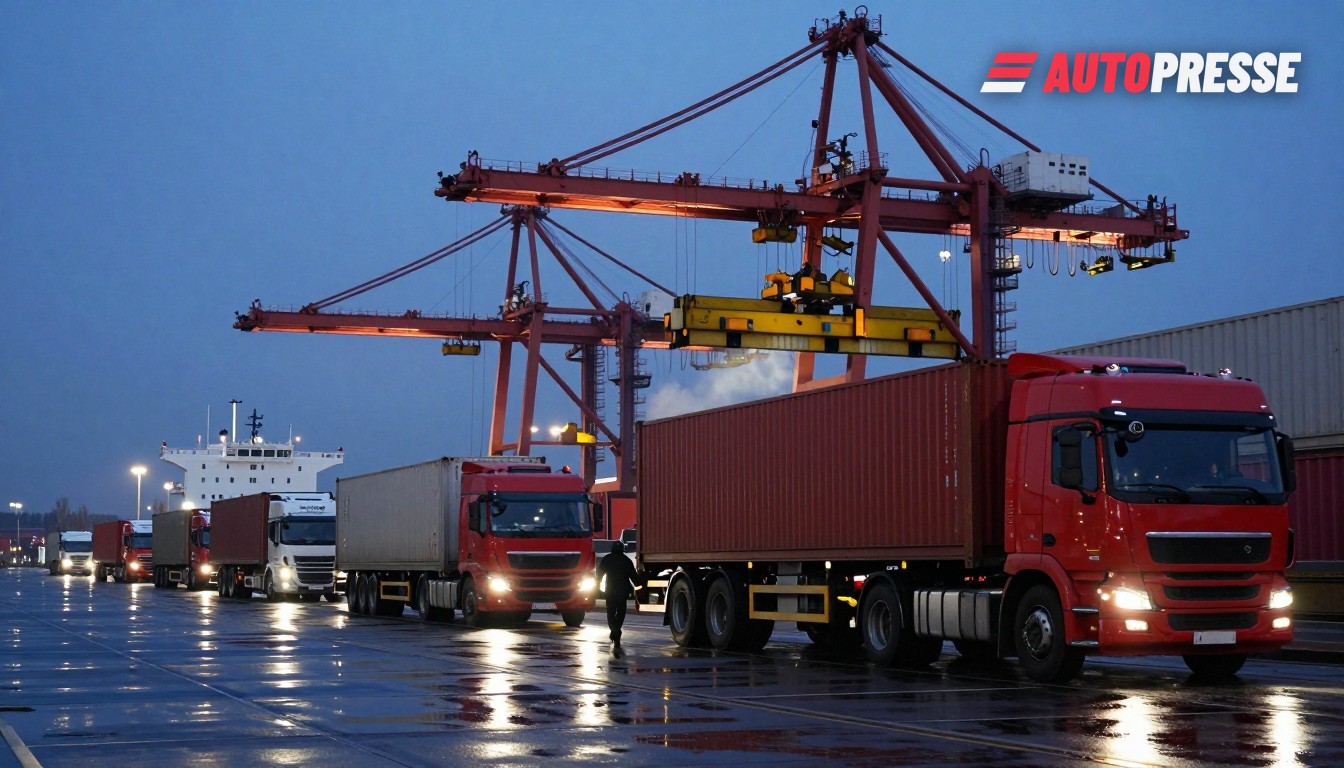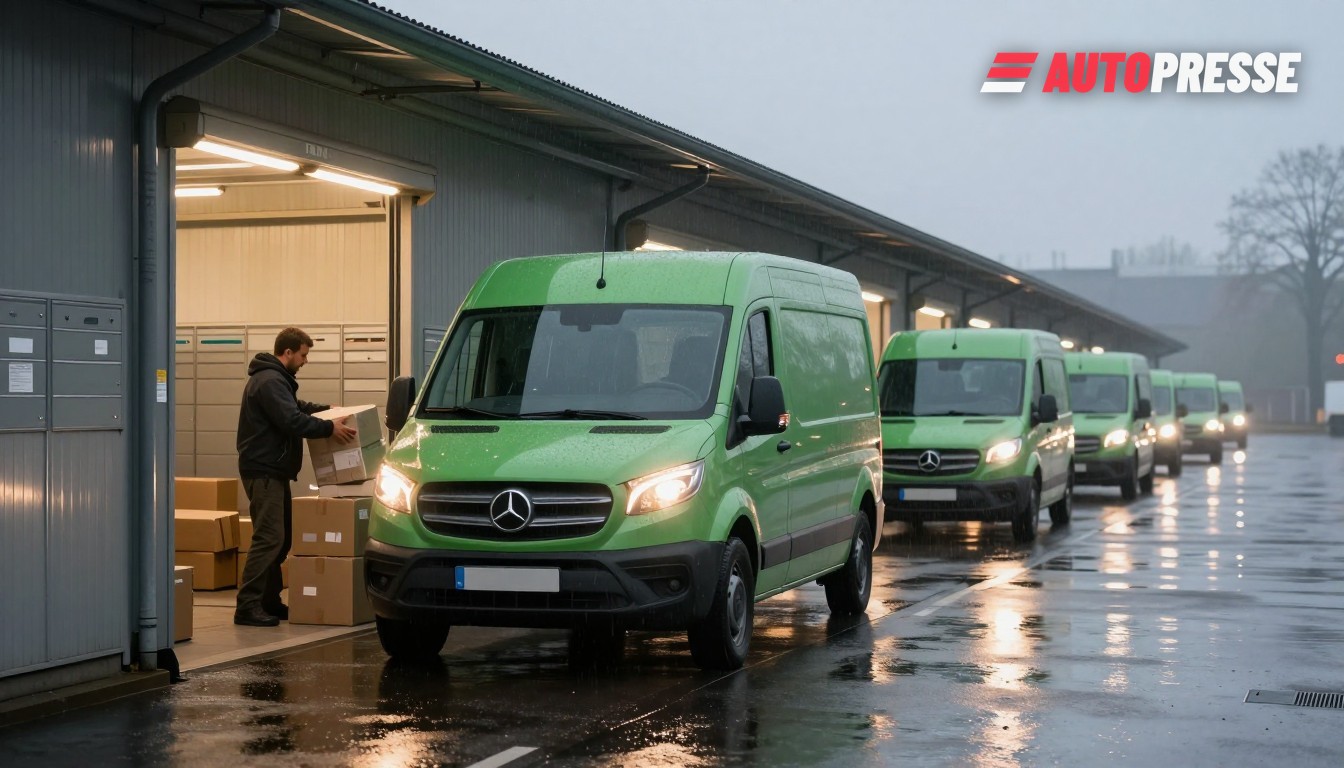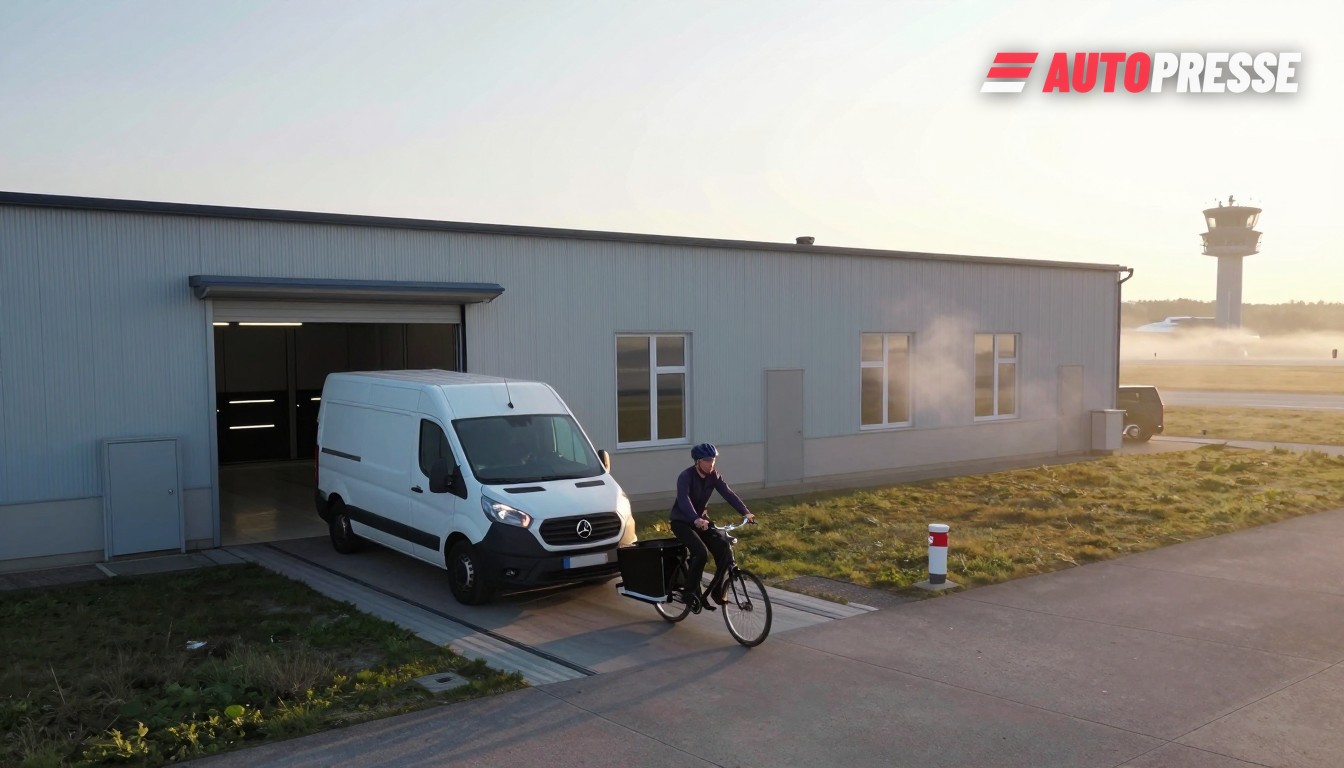
Inner‑city freight is changing fast in Germany and Austria as municipalities, logistics providers and retailers push micro‑consolidation and urban consolidation centres (UCCs). The shift matters to drivers, dealers and depot operators: fewer heavy vans in city centres reduce congestion, while car‑dealer service and parts flows are being reworked to feed urban hubs and electric last‑mile fleets.
Pilots and studies that prove the point
European pilot data show big potential. A collaborative business‑model study documented a pilot where 576 inbound consignments handled at a consolidation point led to 5,080 fewer vehicle‑kilometres in six months — a measurable cut in urban truck traffic and emissions.
Academic pilots in Central Europe highlight similarly strong impacts: a 2026 study modelling micro‑consolidation sites for Budapest estimated freight‑traffic reductions ranging from 20% to 80% in the tested central areas, depending on the scenario and vehicle mix. That range underlines how site selection and fleet choice determine real results.
German city cases are translating research into operations. A Düsseldorf example shows how an LTL provider converted a local cross‑dock into a functioning urban consolidation centre, enabling final‑mile deliveries with lower‑emission vehicles and shorter routes — a template other German cities are studying.
How Austria is positioning itself
In Austria, large logistics firms are reconfiguring inner‑city capacity: recent openings of modern, energy‑efficient logistics sites near Vienna Airport show operators building space that can act as peripheral hubs for urban consolidation and e‑fleet charging. One operator’s new two‑storey Vienna facility highlights the priority given to energy standards and proximity to airport and city flows.
Across the region, European city‑logistics pilots — including the Thessaloniki Living Lab — are supplying operational blueprints for routing, IT integration and public‑private governance that German and Austrian cities are adapting for local conditions.
What this means for the market
For carriers and suppliers: consolidation centres compress middle‑mile volumes and create stable demand for e‑vans, cargo bikes and depot chargers — a predictable revenue pool for vehicle OEMs, battery and charger vendors, and depot operators. For dealers and aftermarket: parts flows into city hubs can shorten lead times but require new inventory and routing agreements with inbound logistics partners. For city authorities and residents: successful UCCs can cut inner‑city truck trips substantially (studies show thousands of vehicle‑kilometres avoided in short pilots), improving air quality and freeing kerb space for urban uses.
Implementation is not automatic: the scale of traffic reduction depends on hub siting, shared commercial agreements and last‑mile fleet electrification. Where operators and cities coordinate on permits, loading zones and IT integration, consolidation hubs work best — and the recent European pilots provide concrete playbooks for Germany and Austria to follow.
Commercial vans for dealers on WorldTrader24 →
Sources: MDPI (Wevj), Springer, Taylor & Francis, FIEGE flipbook, EU Urban Mobility Observatory, DECARBOMILE newsletter