The logistics landscape in Germany and Austria is shifting from incremental digital upgrades to large, visible bets: automated high‑bay warehouses, SAP‑driven control rooms and European fulfilment networks built by overseas platforms. For retailers, fleet operators, dealers and the thousands of warehouse employees who keep shelves and workshops fed, the result is faster flows — and a new battleground for capacity and labour skills.
Big automated hubs arrive — Austria leads the headlines
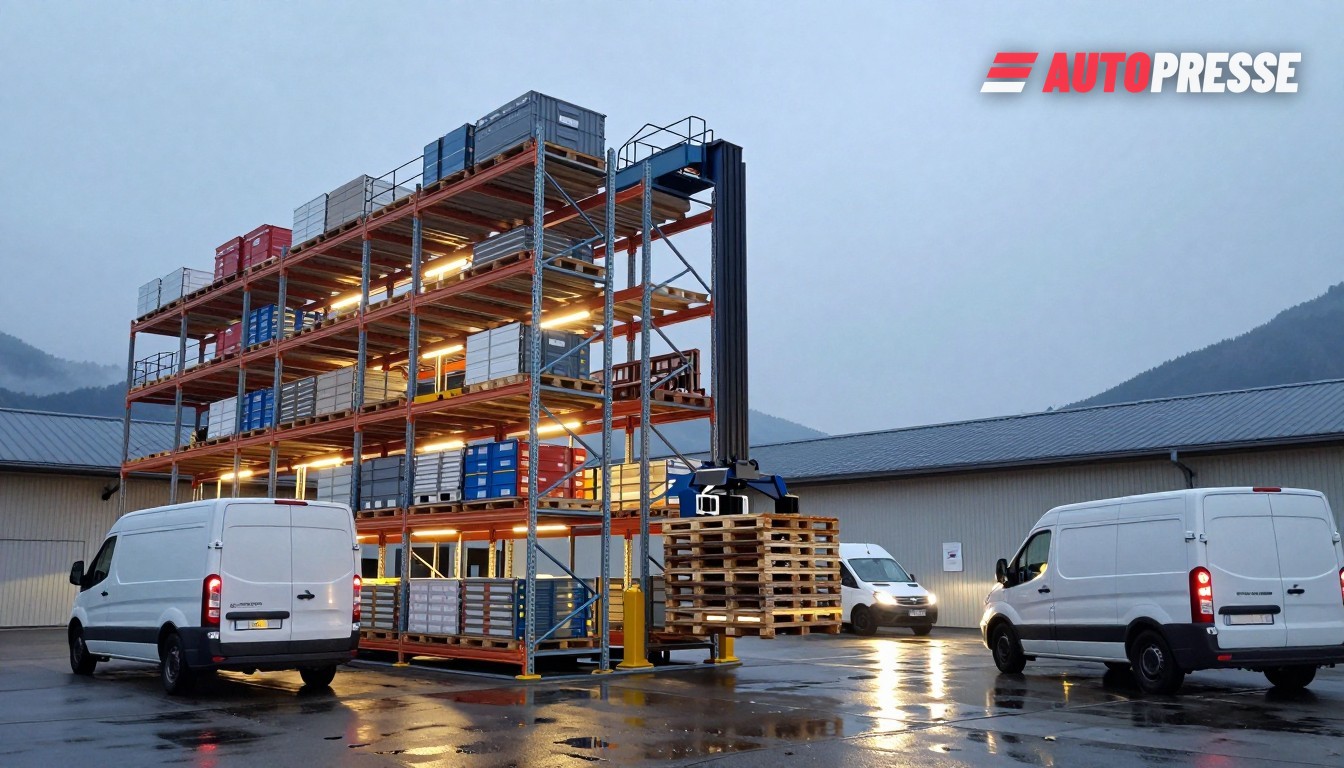
In Austria, a string of major investments underlines how automation is becoming the baseline for modern logistics. Gebrüder Weiss opened a €100 million, 30,800 m² automated platform in Wolfurt featuring a 34‑metre high‑bay warehouse and about 68,000 pallet positions.
TGW Logistics this summer brought a 16,000 m² production hall and a highly automated storage system online at its Marchtrenk HQ — a system that includes 11,000 pallet spaces plus a shuttle warehouse offering roughly 49,000 tote locations and is supported by on‑site photovoltaics. TGW says the expansion underpins its order book and global spare‑parts supply.
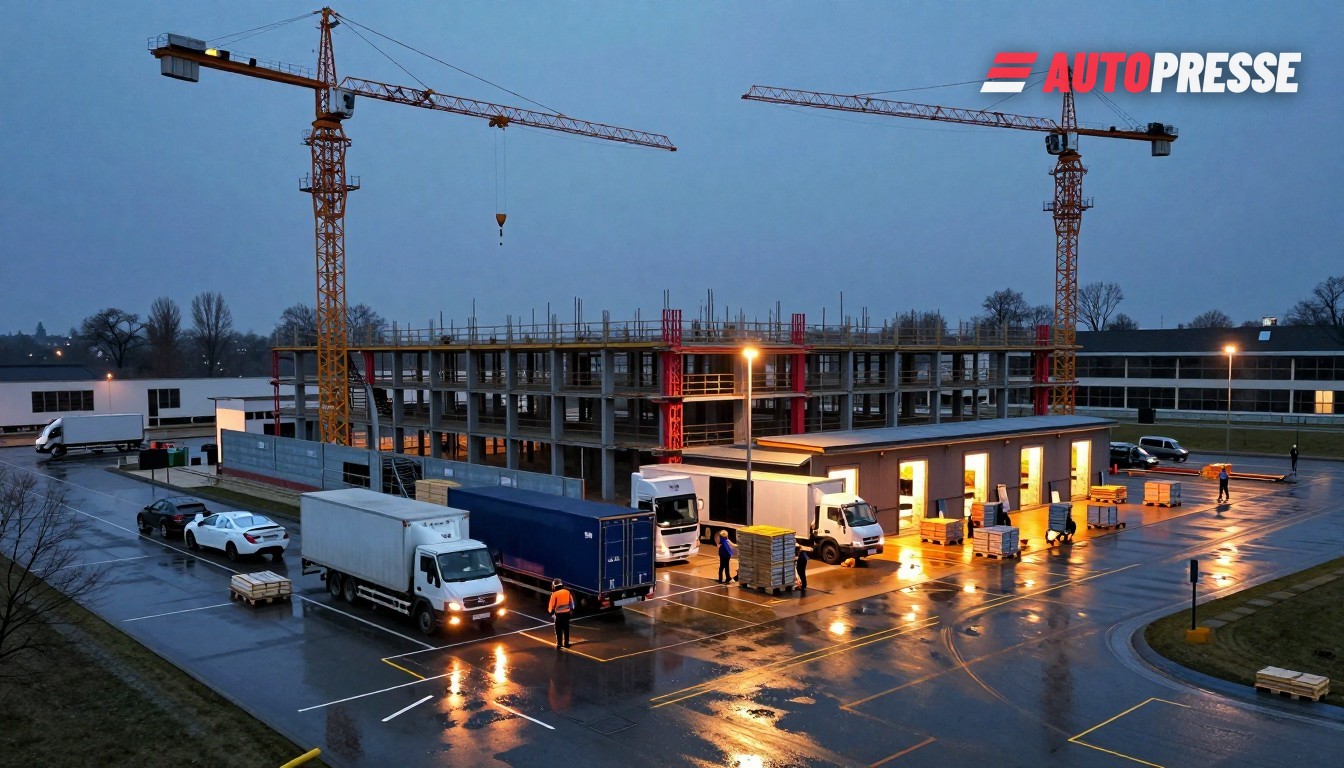
Retailer REWE has also begun the first construction phase of its ALPHA logistics centre in Wiener Neudorf (ground‑breaking 13 May 2026), a €600 million project that will consolidate operations on ~150,000 m² and include a fully automated high‑bay warehouse with ~87,000 pallet spaces and robot‑assisted picking. Marcel Haraszti of REWE called the investment a targeted step to "make our supply chains more robust in the long term."
Software and new players reshape flows
Alongside hardware, software projects are accelerating. Dairy group NÖM has implemented SAP EWM (with MFS) across Baden and Guntramsdorf as the backbone for a new eight‑aisle high‑bay building (~26,000 pallet spaces) and to link automated PLCs directly into an end‑to‑end SAP landscape; commissioning of the site is planned for Q1 2027. That illustrates the push for integrated WMS/WCS stacks rather than bespoke middleware.
At the same time, parcel economics and new European fulfilment networks are forcing planners to rethink capacity. Industry analysis for Germany notes national parcel volumes — 4.37 billion shipments in 2025 — are expected to grow about 3.1% p.a. to 5.01 billion by 2030, while Chinese e‑commerce platforms (JD.com/JoyExpress, others) have been building local warehouse and delivery footprints in Germany to enable same‑ or next‑day service from European hubs. The trend amplifies demand for automated middle‑mile and last‑mile capacity.
Postal and parcel operators in Austria are matching the trend: Austrian Post’s 2025 report documents rollout of automated mobile robots (AMRs), AI‑assisted picking and projects to integrate EV fleets with energy management as part of a plan to reach CO₂‑free delivery nationwide by 2030.
What this means for the market
Expect three practical effects across Germany and Austria. First, capacity is shifting from many small depots to fewer, larger automated hubs — a structural advantage for integrators and system integrators but pressure on regional, labour‑intensive depots. Second, the technological bar has risen: projects now bundle AMRs, stacker cranes and WMS/WCS integration (SAP EWM examples) so customers prize suppliers who deliver both mechatronics and software. Third, parcel and retail players building European footprints (JoyExpress, others) mean local fleets and same‑day promises will fuel continued demand for automated middle‑mile throughput and flexible last‑mile options.
For dealers, OEM suppliers and parts distributors this means lead times for spare parts and workshop replenishment can shorten — if those firms move stock into automated regional hubs or integrate into carrier networks that offer same‑day B2B options. For employees, the shift will require fresh skills in automation maintenance, control‑room operation and logistics IT.
B2B vehicle marketplace on WorldTrader24 →
Sources: Gebrüder Weiss / Supply News, TGW Group, REWE Group, LOGISTRA, Austrian Post (Annual Report 2025)