Germany’s and Austria’s automotive suppliers are no longer focused only on cars. Faced with falling margins, tariffs and faster structural change, many parts firms are diversifying into non‑automotive sectors such as medical devices, industrial automation, energy and defence. The trend is now visible in surveys, industry fora and corporate plans — and it matters to drivers, dealers and plant workers because it changes where parts are made, which skills are needed, and which factories survive.
Why suppliers are diversifying
Industry research and trade groups report that suppliers are pursuing diversification as an active survival strategy. A Euroguss sector piece found almost 80% of German suppliers affected by structural change are actively seeking non‑automotive work. At the European level, a spring 2026 pulse check showed roughly one in four suppliers expect losses in 2026, prompting rapid moves into adjacent markets. Those analyses point to three drivers: shrinking European passenger‑car demand, rising competitive pressure from Asia, and shorter supplier qualification windows for electrified and software‑heavy vehicle architectures.
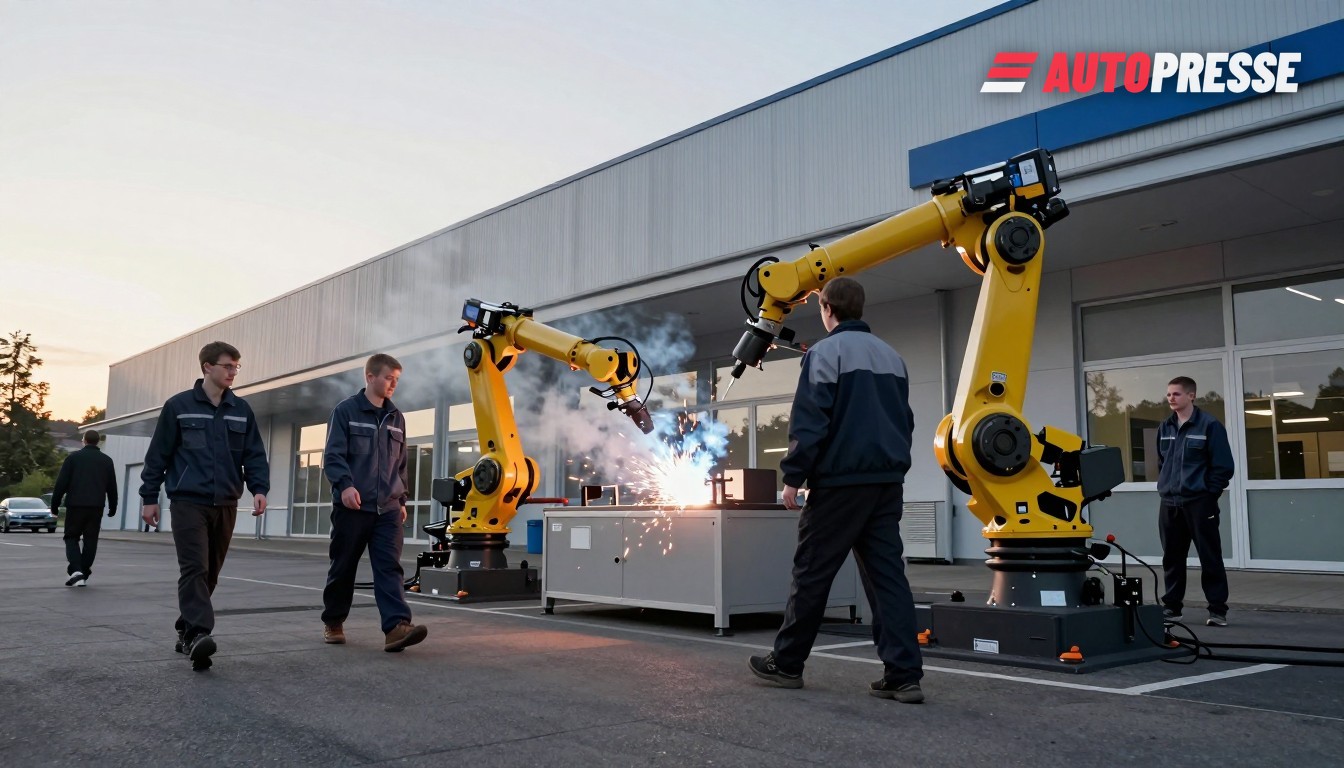
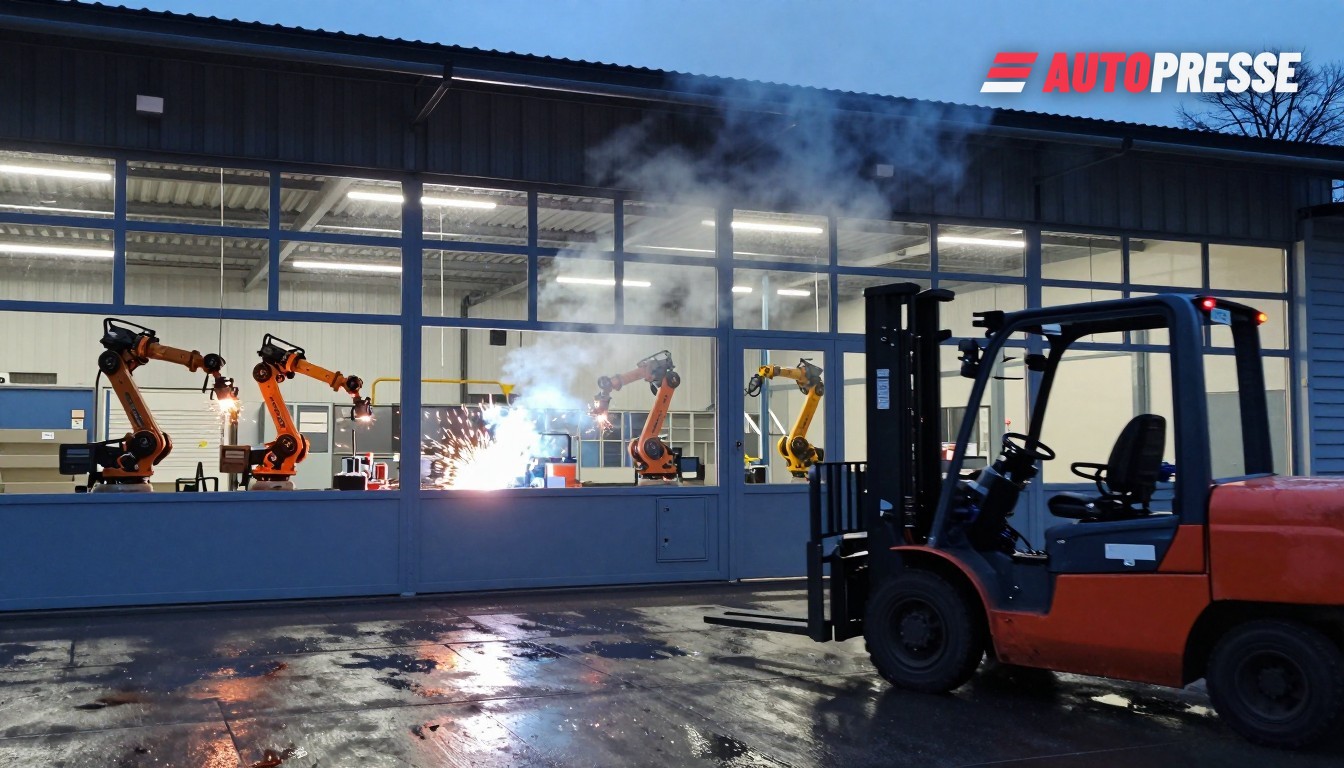
Company statements and consulting surveys show where that work is going: precision bearings and driveline know‑how are being repurposed for robotics and industrial automation; sensor, connector and power‑electronics capability is being adapted for medical and industrial control systems; and metal‑forming and heat‑treatment plants are qualifying parts for wind, rail and defence suppliers. Analysts say these moves lower single‑customer exposure and raise utilisation in idled production lines.
How Germany and Austria are responding
Responses differ on each side of the border. German suppliers show a mixture of restructuring and outward diversification: corporate programmes now include plant consolidations and targeted investments into high‑margin niches, while regional authorities push retraining. In Austria, several mid‑sized groups are buying complementary technology and taking on plants with a clear industrial end‑market focus — moves that keep capacity local but change the order books and apprenticeship profiles. At the same time, major supplier restructurings — including announced European site closures and cost programmes — are accelerating the shift from volume car parts to specialised industrial products.
Concrete corporate action underlines the scale of change. Large suppliers are reworking workforce and site plans: for example, Schaeffler in early November 2026 announced a new performance‑improvement programme that includes the closure of five sites and planned reductions of around 3,460 positions across Europe, with roughly 2,660 roles affected in Germany; management framed the measures as part of adapting to lower combustion‑engine demand and higher cost pressure. Those kinds of measures speed diversification decisions at tier‑2 and tier‑3 suppliers that depend on car volumes.
What this means for the market
For OEMs: more suppliers capable of industrial and cross‑sector production could ease sourcing for non‑vehicle parts but complicate qualification for vehicle‑specific systems. For dealers and workshops: supplier pivots mean some spare‑part flows and aftermarket channels will change as components are repurposed or consolidated. For workers: expect rising demand for mechatronics, robotics and medical‑approval skills rather than purely powertrain‑machining roles; regional retraining and apprenticeship programmes will decide which plants remain competitive. For policymakers: diversification reduces exposure to one cyclical market, but it requires clearer support for supplier re‑qualification and faster certification pathways. The broad lesson is simple: the German‑Austrian supplier base is not shrinking evenly — it is re‑tooling into different industrial trees, and the winners will be those who convert automotive expertise into industrial and energy markets quickly and with certified products.
B2B vehicle listings and services on WorldTrader24 →
Sources: Schaeffler, Euroguss, AM‑Today pulse check, Forsa / FTI‑Andersch, CLEPA