Germany and Austria have moved from pilot projects and technical standards to binding rules and real installations for second‑life electric‑vehicle batteries — a fast policy shift that touches drivers, workshops, recyclers and grid operators across both countries.
In Germany the federal government implemented the EU Batteries Regulation via a national adaptation act (the Batterierecht‑Durchführungsgesetz, BattDG). The BattDG was adopted by the Bundestag on 30 September 2025 and came into force on 7 October 2025; it transposes Regulation (EU) 2023/1542 which has been largely applicable across member states since 18 August 2025. The law keeps Germany’s higher collection targets (portable batteries at 50% today, rising to 63% from 2027 and 73% from 2030) while creating obligations and registration and reporting rules for manufacturers and treatment facilities.
EU rules, national practice: what changed in 2025–26
The EU framework already defines and differentiates “reuse”, “repurposing” and other second‑life operations; a European Commission report (May 2026) summarised those definitions and the practical challenges for repurposing EV packs into stationary storage. That paper highlights safety, traceability and the need for professional handling as core barriers that policy must remove. At the same time, Germany’s BattDG sets national obligations for registration, reporting and treatment‑site authorisation that tighten control over where and how batteries can be repurposed.
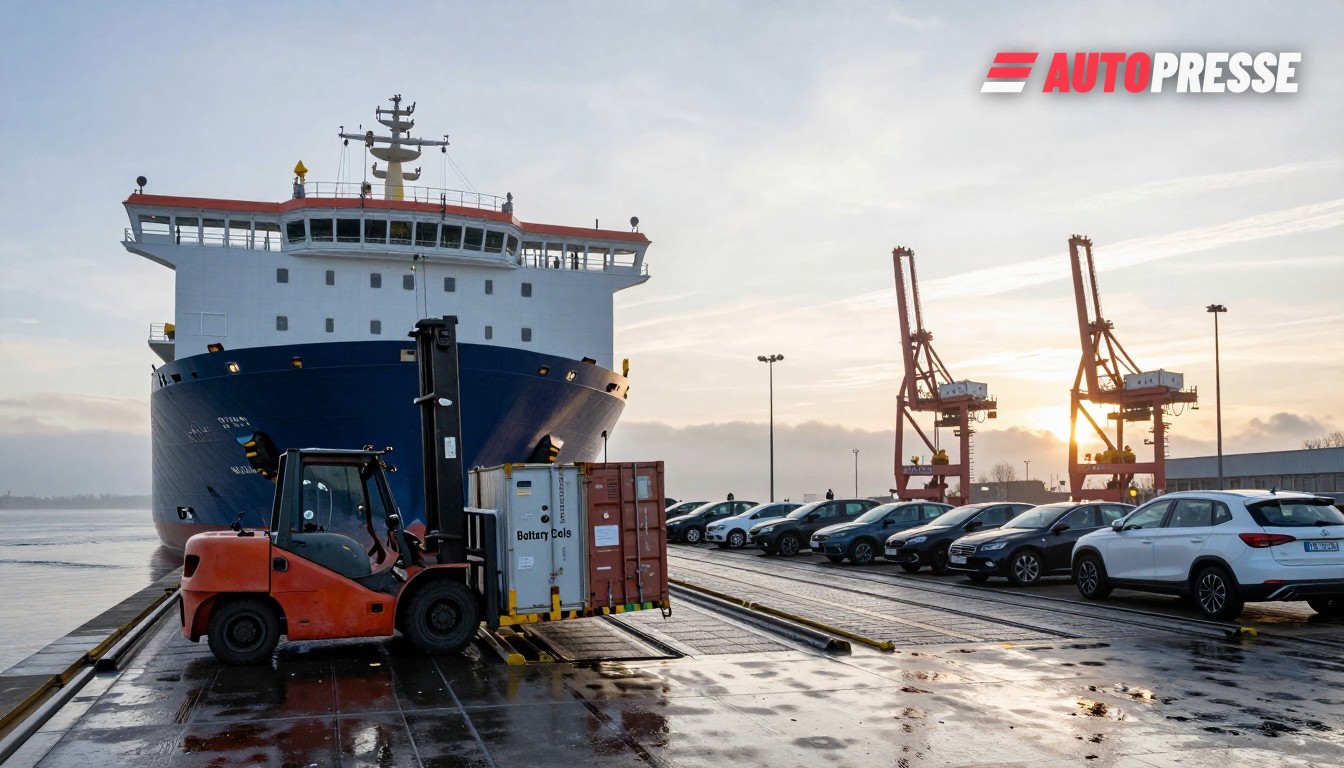
On vehicle design and end‑of‑life rules the EU adopted a separate circularity regulation (Regulation 2026/1738, published 8 July 2026) that explicitly allows member states to treat the EV battery as removable from the vehicle at hand‑over for treatment — provided the last owner supplies documentation proving professional handling in line with the Batteries Regulation. The text therefore opens a legal route for vehicles to be transferred to dismantlers without batteries, simplifying second‑life logistics while tightening paperwork and traceability.
Austria: from pilots to megawatt‑scale storage
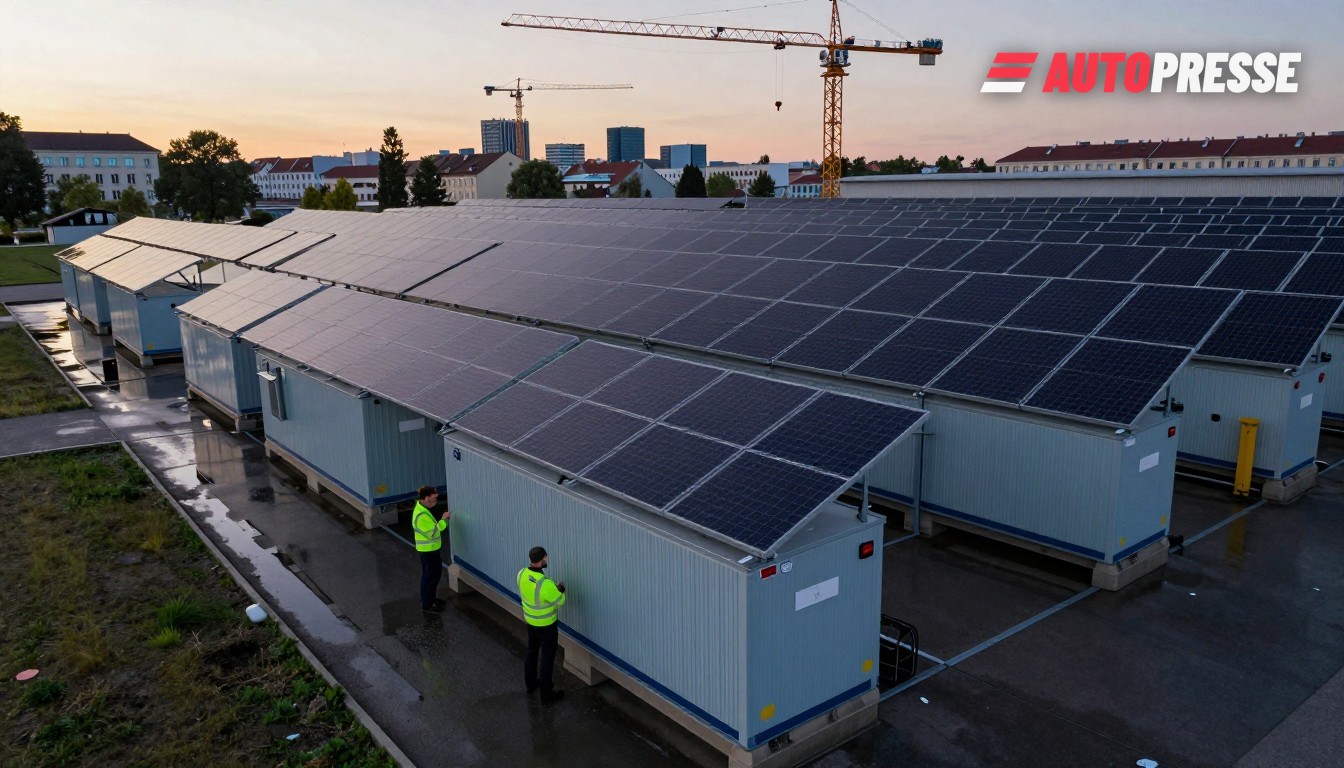
Policy in Vienna has translated rapidly into hardware. Wien Energie announced and commissioned Austria’s largest second‑life battery project on 30 July 2026: a 1 MW / 4 MWh storage system that buffers PV production at the Rosiwalgasse site in Vienna’s 23rd district. Austria’s circular economy strategy and EU‑project involvement (eg. Battery2Life) have helped fast‑track demonstration projects and local repurposing capacity.
What this means for the market
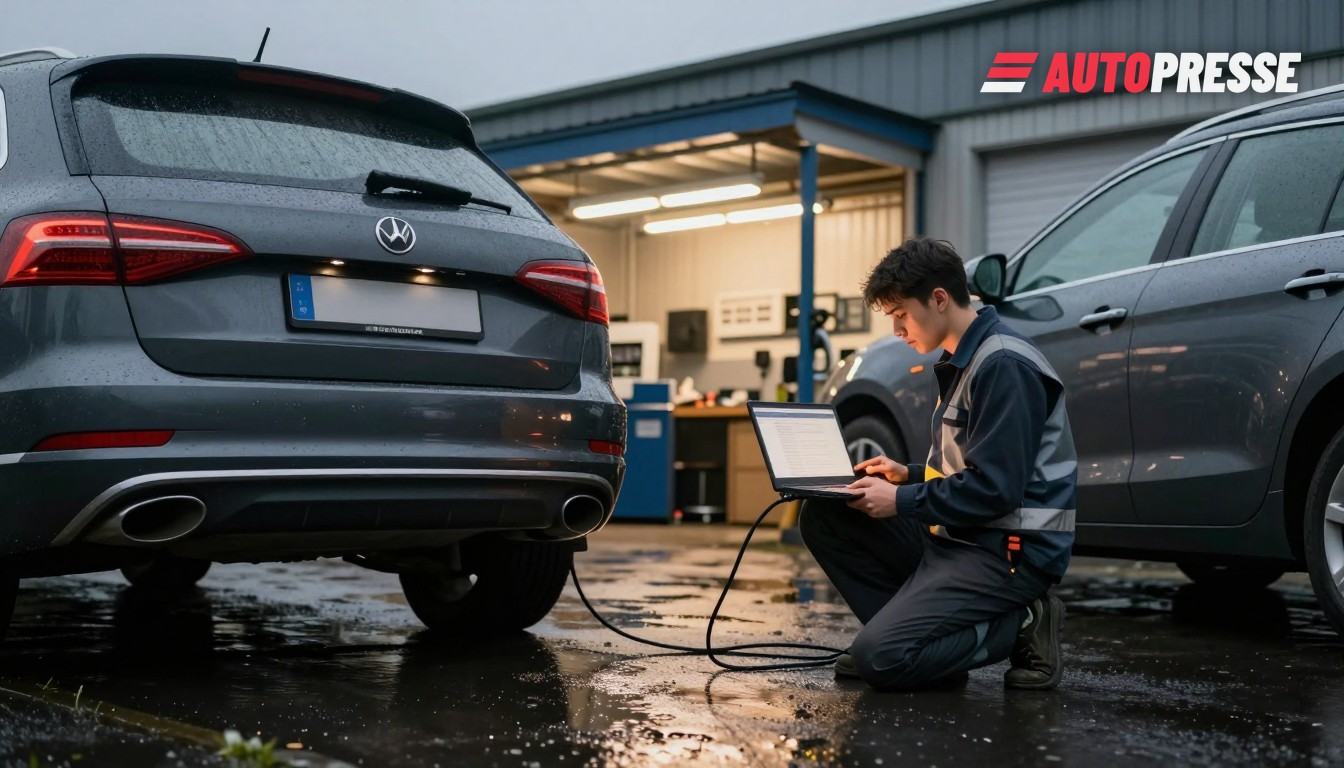
Practical consequence: dealers, workshops and fleet owners must prepare for stricter documentation, new return and dismantling workflows, and opportunities to monetise used packs. Manufacturers and remanufacturers need accredited testing, traceability systems and safe discharge/demount procedures to meet BattDG and EU requirements — a compliance cost but also a value pool for stationary storage buyers and grid operators. Standardisation efforts such as the German DKE prestandard for “second use” are reducing technical uncertainty and helping convert pilots into reproducible business cases.
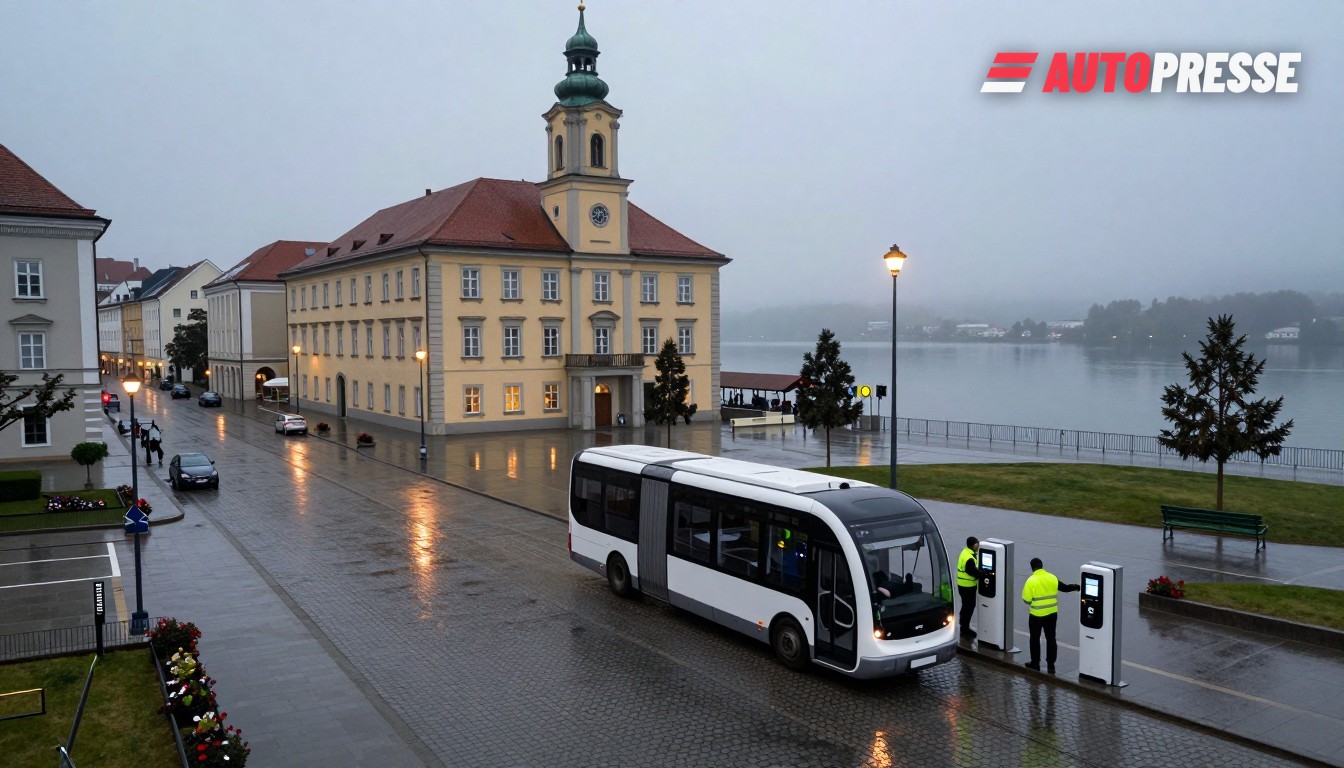
For buyers and public planners the new rules make it easier to expect certified second‑life systems on the market — but they also raise the bar for who may handle packs and how documentation must travel with the battery. For Austria, recent megawatt‑scale projects show local grid operators and municipal utilities are ready to buy; for Germany the BattDG creates a regulatory backbone that should accelerate wider roll‑out, provided treatment capacity and safe demount infrastructure scale up.
B2B vehicle marketplace on WorldTrader24 →
Sources: Bundesministerium für Umwelt (BMUKN), Bundesgesetzblatt / BattDG, EUR‑Lex (Reg. 2026/1738), Wien Energie, European Circular Economy Platform, DKE