The logistics map for Germany and Austria is shifting from roads and ports toward faster, higher‑value lanes: air cargo is expanding for semiconductors and urgent auto parts even as Austria tests cargo drones and fleet operators add European‑assembled electric trucks. That matters to manufacturers, dealers and transport firms because faster parts flows reduce downtime for plants and workshops — but they raise costs, security and handling demands for freight hubs in both countries.
Air freight tightens into high‑value lanes
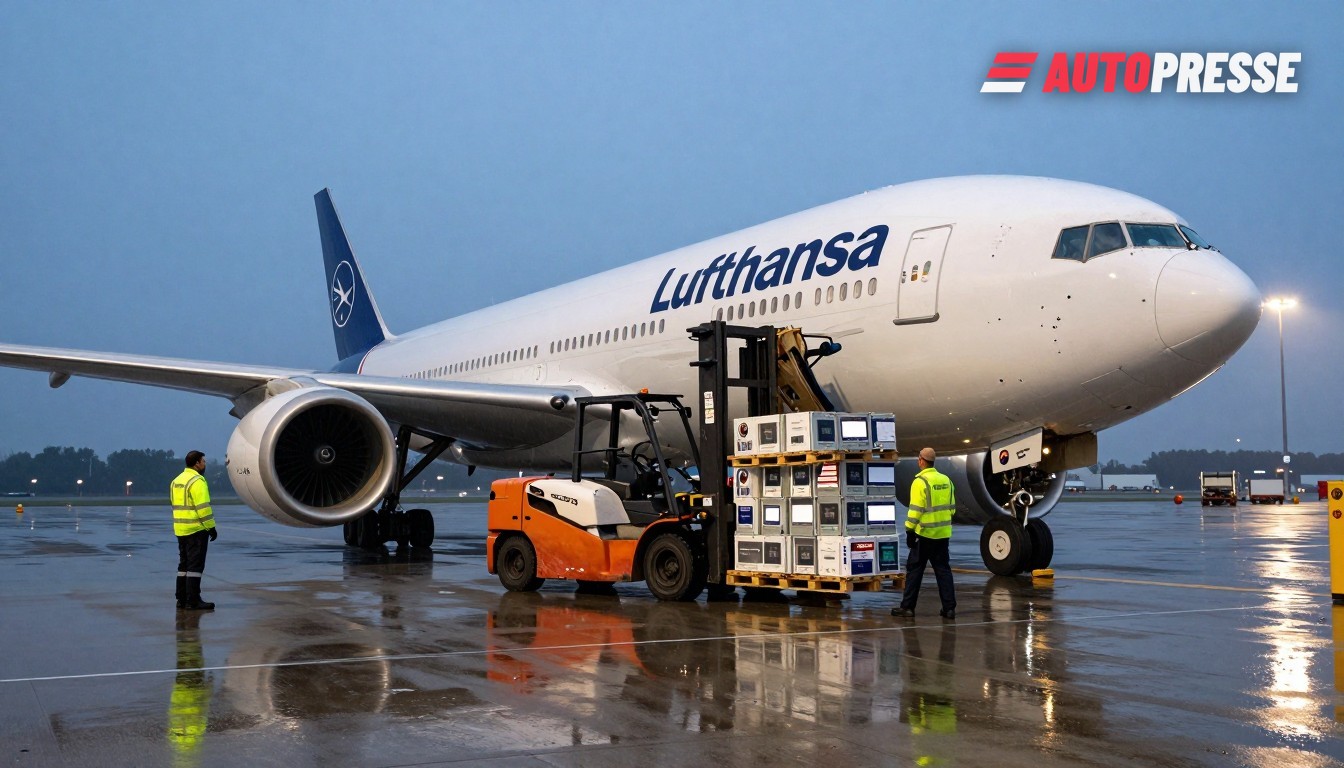
Carmakers and suppliers are increasingly using airfreight for critical semiconductors, production spares and machine parts. Lufthansa Cargo promotes tailored “Speed” and temperature‑controlled products for chips and urgent production deliveries, stressing short‑notice capacity and specialised handling. At the same time the Lufthansa Group is investing roughly €600 million in a modernised air‑freight centre at Frankfurt Airport (first phase scheduled into operation in summer 2026) to boost handling speed and resilience for Germany’s high‑value exports.
Freight carriers are responding: regional freighter capacity has risen (DHL Air Austria received a 20th 757 freighter in October 2026) and specialist products for semiconductors and valuables are being pushed across European networks, underlining airfreight’s growing role in the automotive supply chain.
Last‑mile innovation in Austria — drones and local e‑trucks
In Austria, logistics trials show how spare‑parts delivery is being rethought. Lagermax, Suzuki Austria and Rain Air Cargo completed a cargo‑drone test for spare parts on October 9, 2026, positioning drones as a complement for time‑critical, hard‑to‑reach deliveries rather than a wholesale replacement of road transport. That trial gives workshops and dealers new options for emergency parts fulfilment — but regulatory, operational and safety questions remain.
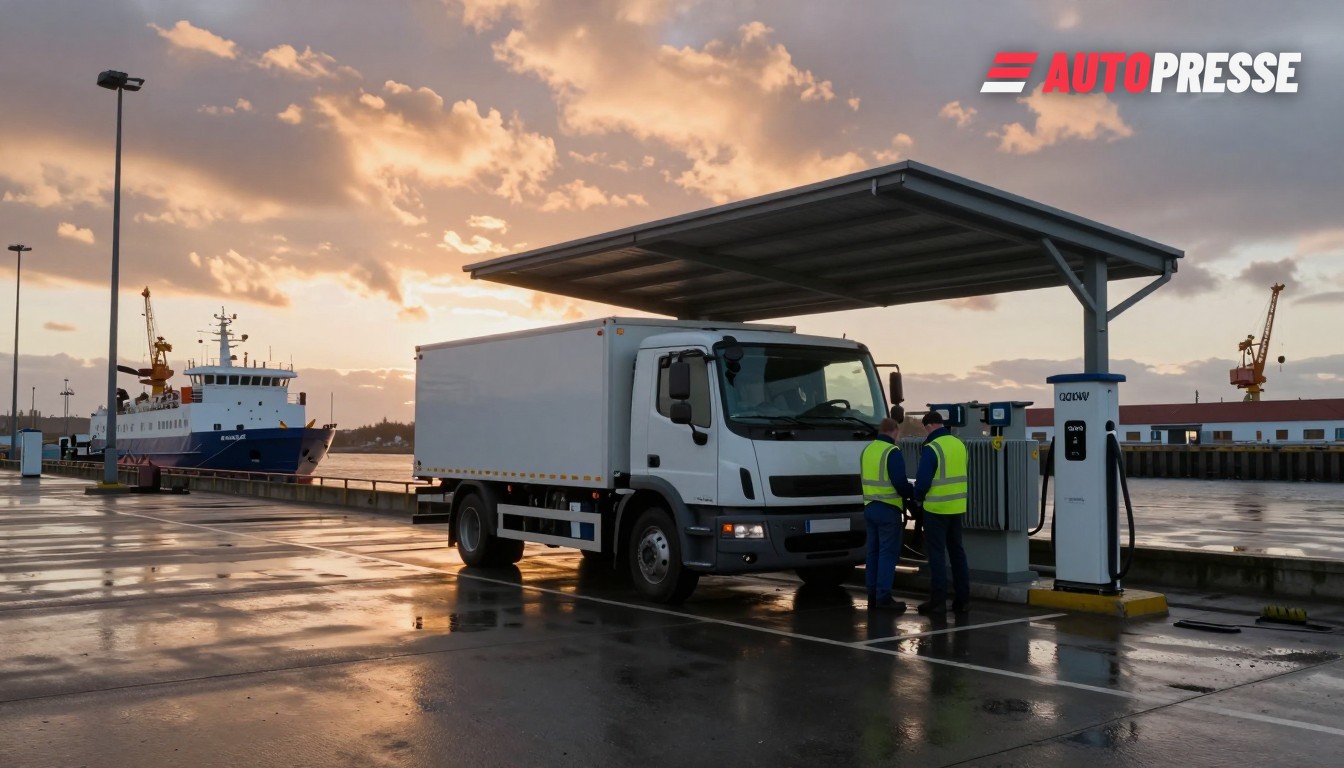
Road legs that connect airports, hubs and final‑mile points are also going electric: DHL announced on July 30, 2026 that the first Europe‑produced SuperPanther eTopas 600 trucks — assembled with Steyr Automotive in Austria — have entered the group’s fleet programme, with technical specs including up to 560 km range and a 621 kWh battery. The move shows operators blending zero‑emission local legs with fast air connections.
What this means for the market
Faster, higher‑value freight flows improve production resilience for German and Austrian automakers and suppliers — but they demand investments in specialised handling, security and hinterland links. Airports such as Frankfurt and Leipzig/Halle are becoming strategic nodes for automotive just‑in‑time logistics; carriers and integrators are adding capacity, while operators test drones and electric trucks for the critical last mile. However, recent security incidents at major cargo hubs underline a rising risk profile: an armed drone with an explosive device was discovered and defused at Leipzig/Halle in August 2026, prompting federal investigations and highlighting the need for strengthened protection of freight infrastructure.
For dealers and workshops the takeaway is practical: shorter, premium transport options can cut repair times and inventory costs but will typically cost more and require tighter coordination with carriers. For logistics companies the challenge is to scale specialised air‑handling services, validate drone use for spare parts, and integrate low‑emission road legs without disrupting already fragile cross‑border flows.
WorldTrader24 B2B vehicle marketplace for traders →
Sources: DHL Group, Lufthansa Group, Lagermax (International Transport Journal), Cargo Facts, AP News