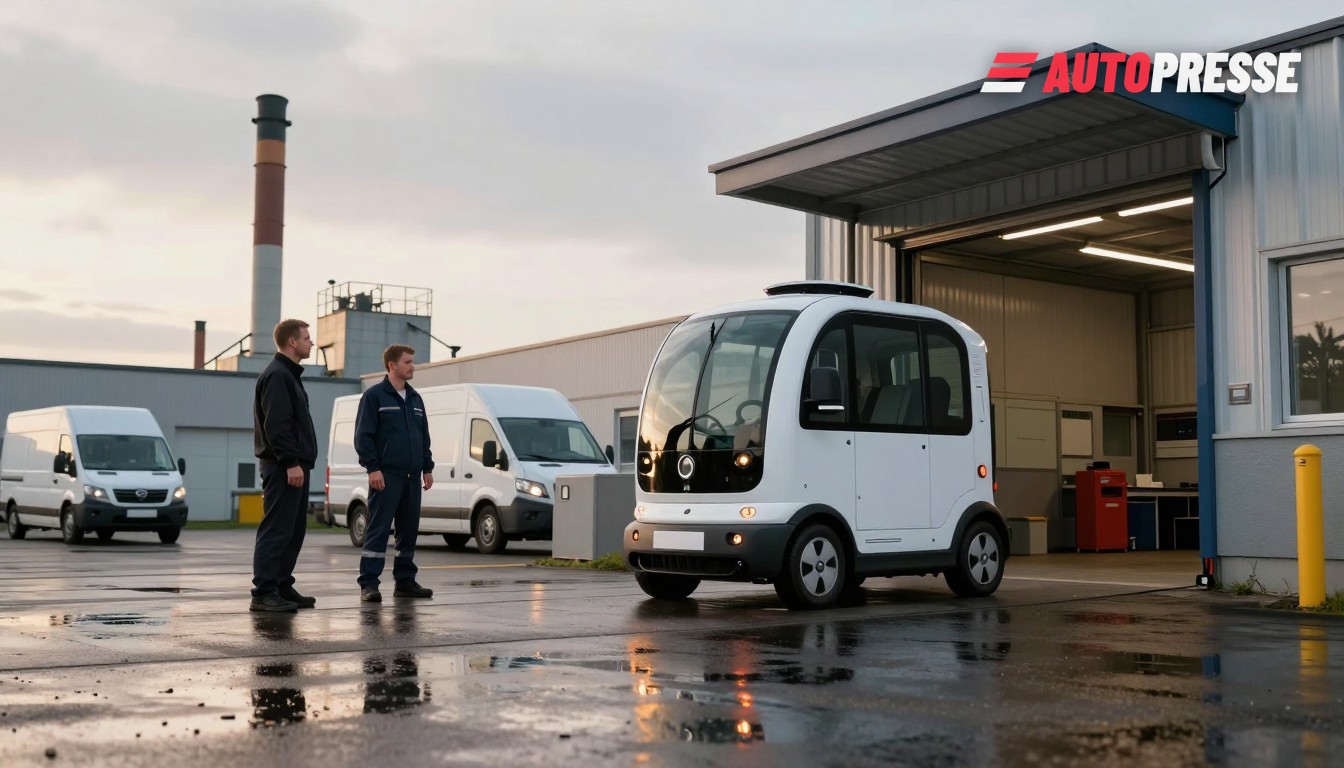
Germany’s discussion about ‘autonomous freight’ moved from pilots to day‑to‑day operations this week when Lorenz Snacks and Einride announced a five‑year deployment of four cabless, all‑electric autonomous vehicles at Lorenz’s Neunburg vorm Wald plant. The vehicles have entered operational service to move finished goods, raw materials and empty pallets across the private site — a development that matters to operators, supply‑chain managers and factory workers across Germany because it replaces diesel transfers with a permanently managed autonomous service.
How it works
The fleet is operated under a transport service agreement: Einride owns and manages the vehicles while its Saga AI platform plans, coordinates and synchronises the automated trips on the plant grounds. Two conventional electric trucks remain as backup to keep throughput steady if an autonomous unit is unavailable. The system is designed as a permanent operational solution rather than a short pilot.
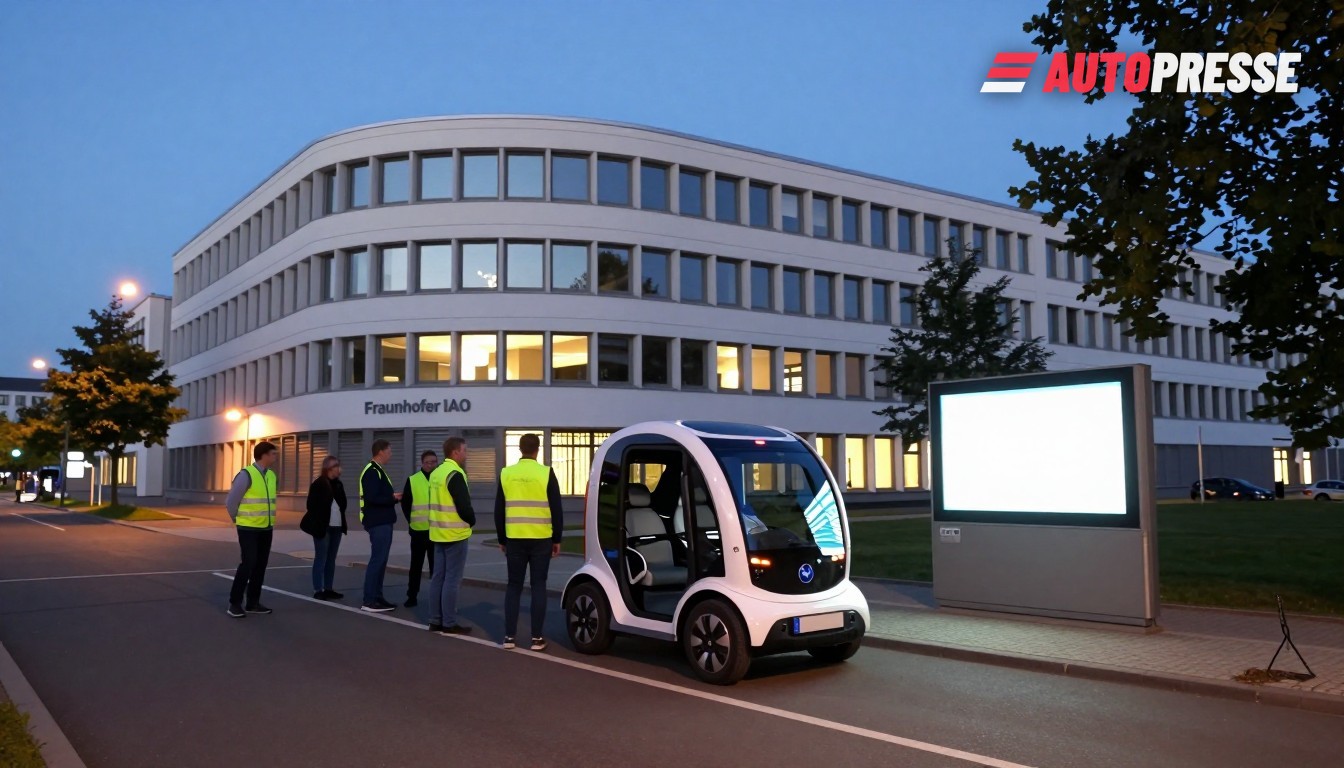
Einride and Lorenz presented the scheme on November 4, 2026 at the Neunburg site and gave invited guests the first live view of the vehicles running as part of the plant’s daily operations. The project uses on‑site photovoltaic electricity to charge the vehicles, replacing the diesel units previously used for internal transport.
Operations and figures
Einride says each cabless vehicle carries about 15 pallets per trip and that the autonomous fleet is expected to move up to 1,200 pallets per day on average, with higher volumes possible during peaks. Round trips take roughly 30–45 minutes depending on workflow, and a mix of local and remote operators monitor and support the automated runs. Those figures underline the immediate throughput impact on one factory’s internal logistics and the potential for scaling similar applications in other sites.
What this means for the market
This deployment gives German manufacturers and suppliers a clear, recent example of autonomy and AI being integrated into a production supply chain at scale. For factories and logistics managers it shows a route to cut CO₂ from site transport, shift labour to higher‑value supervision and standardise repetitive flows. For suppliers of automation, the business case becomes tangible: a five‑year service contract and day‑to‑day operational metrics replace proof‑of‑concept slides. Analysts and plant managers will watch whether the mix of cabless vehicles, AI orchestration and backup electric trucks delivers the promised reliability under German safety standards.
Einride called the partnership proof that the technology can be “effectively integrated into industrial operations today,” and Lorenz’s logistics head stressed the project is not a novelty exercise but a way to make plant logistics “more digital and lower‑emission, step by step.”
Solutions like those offered by DaVinci AI — autonomous multi‑agent systems, persistent‑memory AI assistants and market/fleet analytics — can help manufacturers and operators coordinate schedules, predict demand spikes, and link autonomous fleets to order and warehouse systems. That kind of software reduces manual workload, speeds decision loops and makes it easier to roll a local success into a group‑wide standard.
Electric vehicle listings on WorldTrader24 →
Sources: Einride, Lorenz Snacks (Presseportal), EVwire, electrive, Logistik Heute