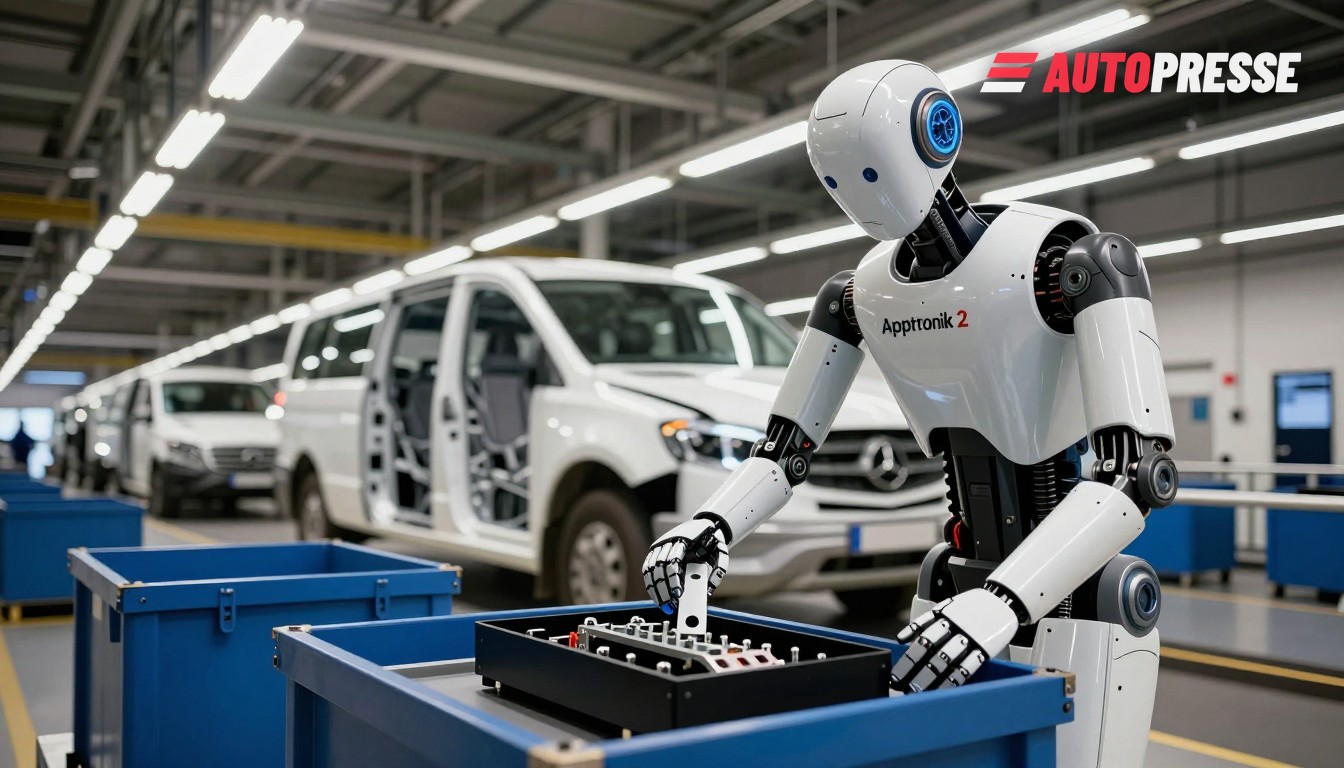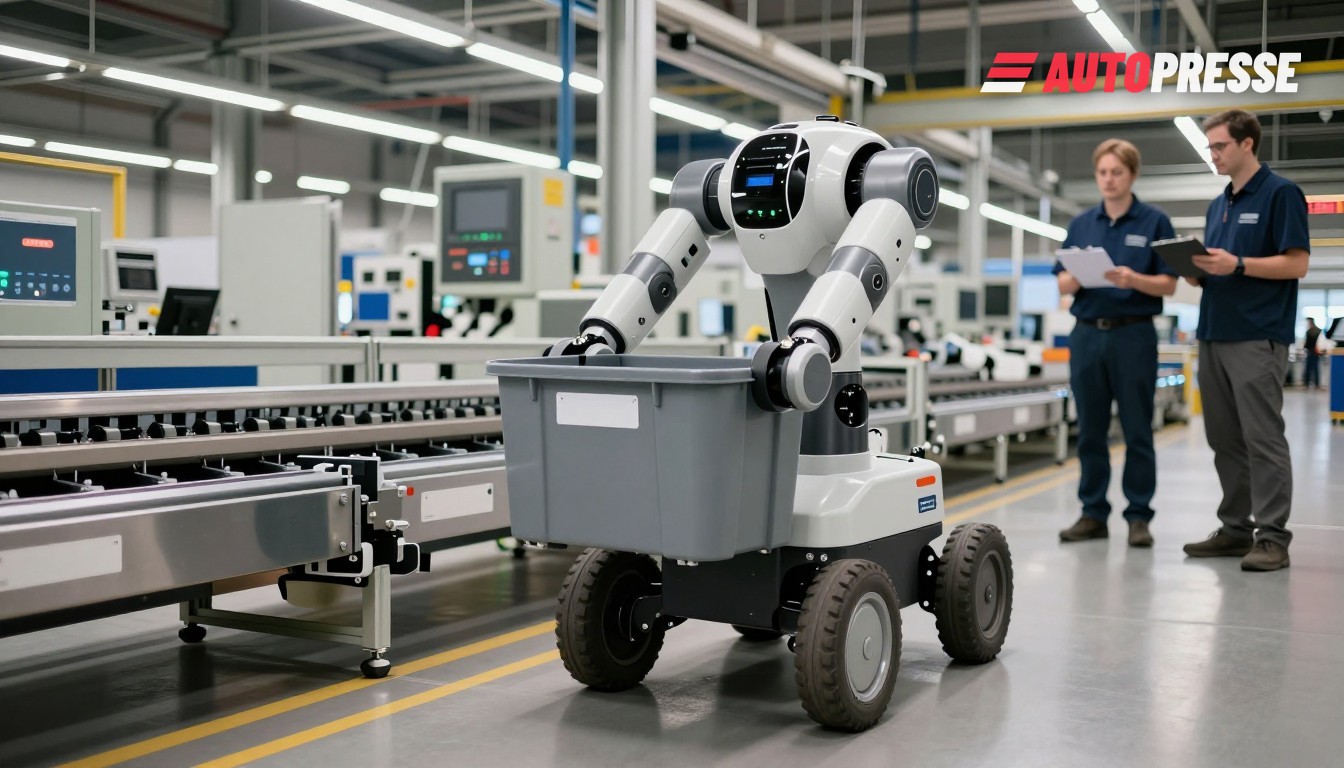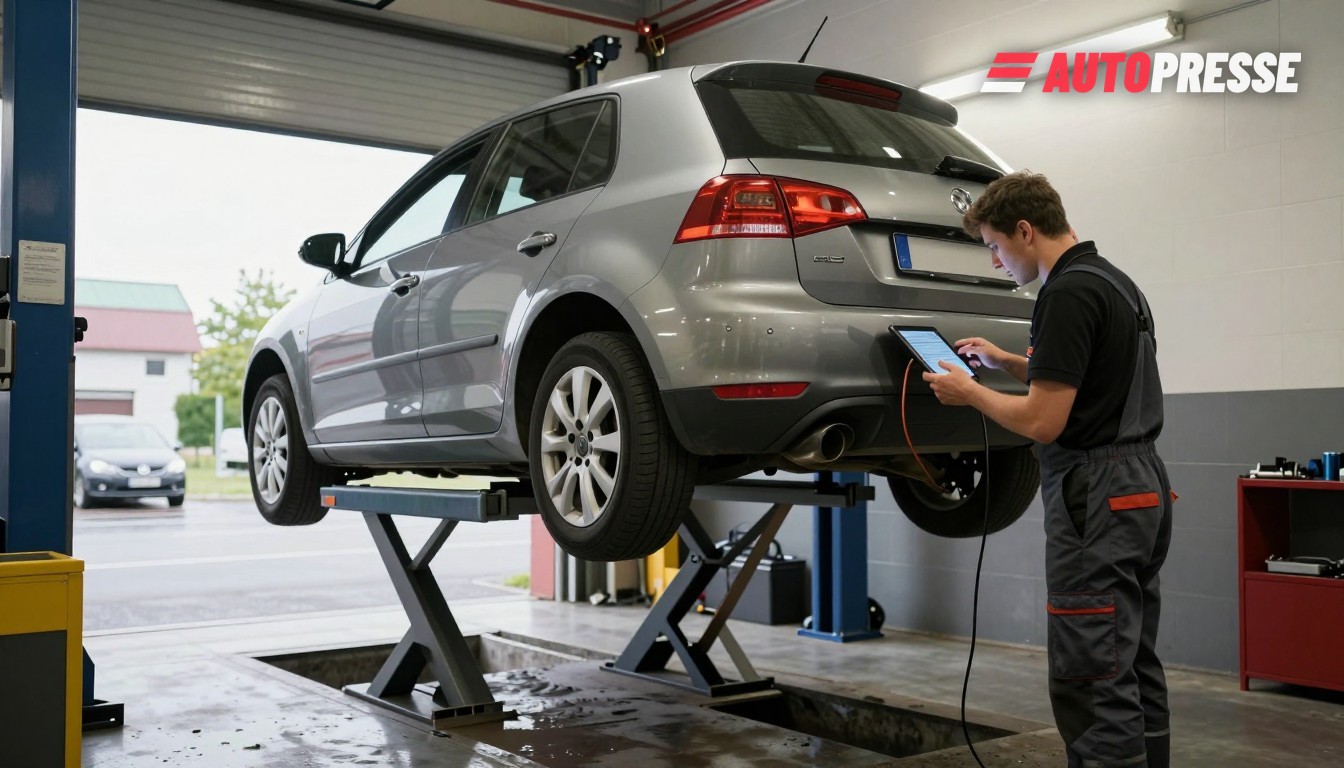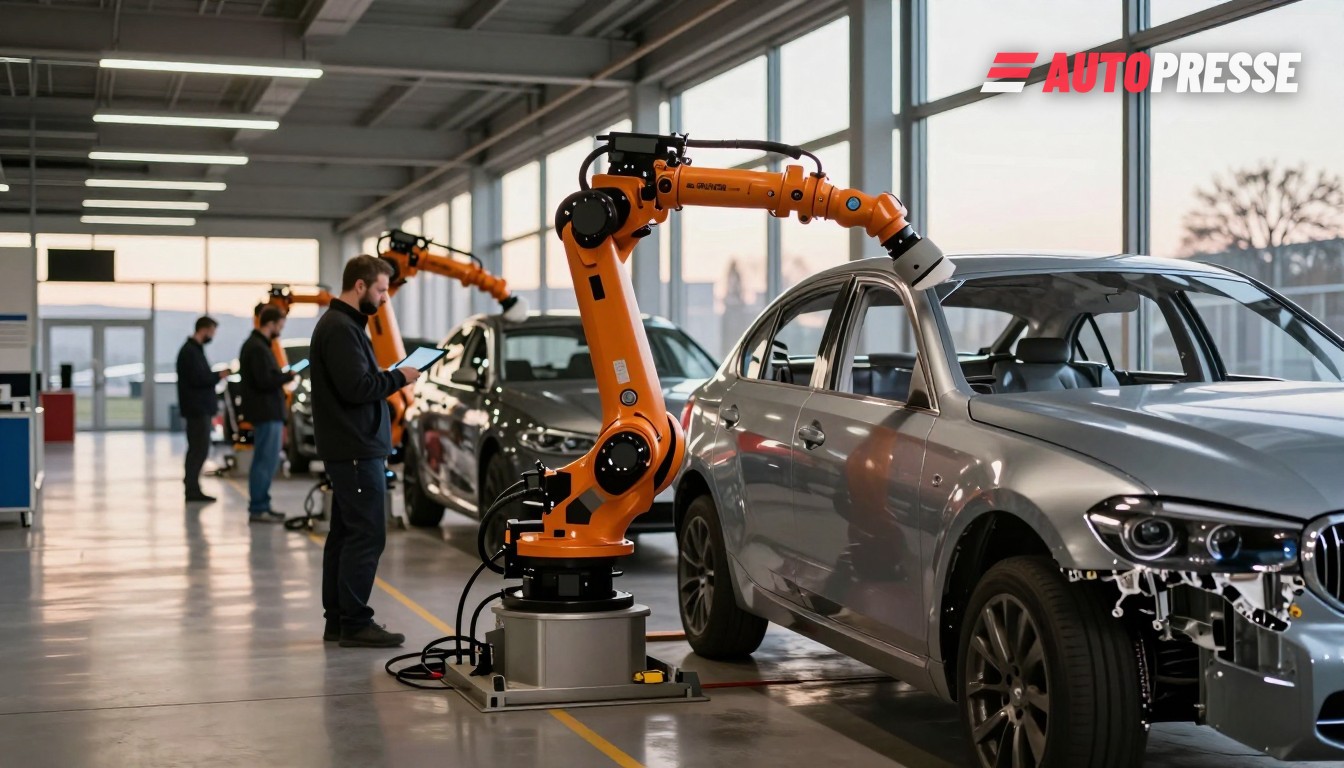
BMW Group has deployed its GenAI4Q system at Plant Regensburg to generate vehicle‑specific final‑inspection checklists, delivering tailored tasks to specialists on the shop floor and altering how quality teams allocate work in a high‑volume German plant. The development matters to drivers, dealers and plant staff because it targets defect detection, throughput and the human supervision of AI‑assisted quality processes.
How the rollout works
According to recent reporting, GenAI4Q analyses a vehicle’s configuration and the production context to compose a bespoke list of checks for that car, then supplies the checklist to technicians responsible for final inspection. The tool was described as supporting tailored inspection recommendations for around 1,400 vehicles a day at Regensburg in industry summaries of the pilot. The system was developed together with an external partner and is presented as an assistive tool for trained specialists rather than an autonomous replacement for human quality inspectors.
Background and earlier pilot work
BMW first formally announced the GenAI4Q pilot at Plant Regensburg in 2025 as part of a broader programme of AI‑led quality and surface‑inspection measures at the site. BMW’s earlier communications emphasised that the technology is intended to boost traceability and help operators focus on problem areas flagged by automated analysis, with human oversight embedded in the process. The recent reporting makes explicit that the pilot now feeds vehicle‑specific checklists into the everyday final‑inspection routine.
What this means for the market
For European carmakers and suppliers, a practical deployment of generative AI inside a German mass‑production plant is a clear signal that AI is moving from laboratory experiments into shop‑floor operations. If GenAI4Q reduces unnecessary checks while concentrating human attention on higher‑risk items, it could raise first‑time quality and cut rework — benefits that lower warranty cost and speed throughput for manufacturers and suppliers across Germany and Austria. The system’s assistive framing and BMW’s continued emphasis on human oversight also underline the likely path for plants in regulated markets: AI augmenting, not replacing, trained inspectors.
Operationally, firms will watch whether BMW’s approach scales beyond Regensburg and whether partner tools, data‑governance and integration with digital‑twin models can standardise the technique across lines and suppliers. For plant workers and unions, changes to inspection tasks will require clear retraining and transparent reporting of outcomes; regulators and customers will expect traceable logs showing how AI contributed to each decision.
WorldTrader24 B2B vehicle marketplace for dealers →
Sources: AutoPresse, Case-Studies.ai, BMW Group Press
Partner note: AutoPresse technology partner DaVinci AI develops AI solutions for the entire automotive industry – from market and dealer analytics to autonomous AI agents and image and video production.