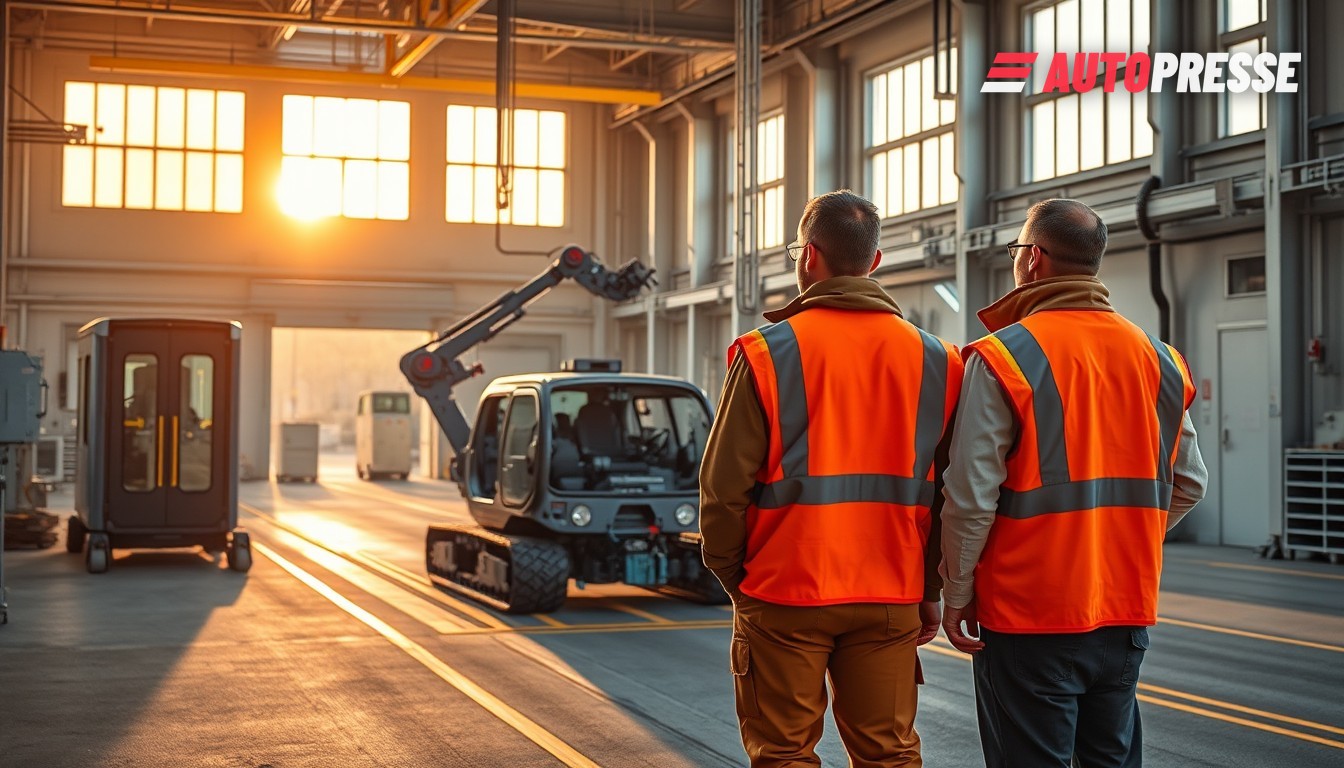
Austria has quietly stepped into the centre of Europe’s industrial‑robot race: Vienna/Linz‑based AI firm NXAI will provide a recurrent memory architecture that NEURA Robotics will integrate into its Neuraverse platform, a system intended to give robots working and episodic memory for multi‑step tasks in factories and logistics hubs. For German and Austrian car plants, dealers and workers this could mean robots that keep context over long assembly or parts‑sequencing jobs — improving uptime, reducing repeated errors and changing how intralogistics is planned.
What was announced and when
The collaboration was disclosed in public briefings in late October 2026: NEURA and NXAI said on and around 20–22 October 2026 that NXAI’s xLSTM recurrent model will be added to NEURA’s Neuraverse so companies can fine‑tune, test in NEURA Gyms and deploy the memory model alongside NEURA’s Neuron AI. NEURA framed the tie‑up as adding both working memory (tracking the immediate state of a task) and episodic memory (re‑using prior experience for similar situations).”
Why memory matters on the shop floor
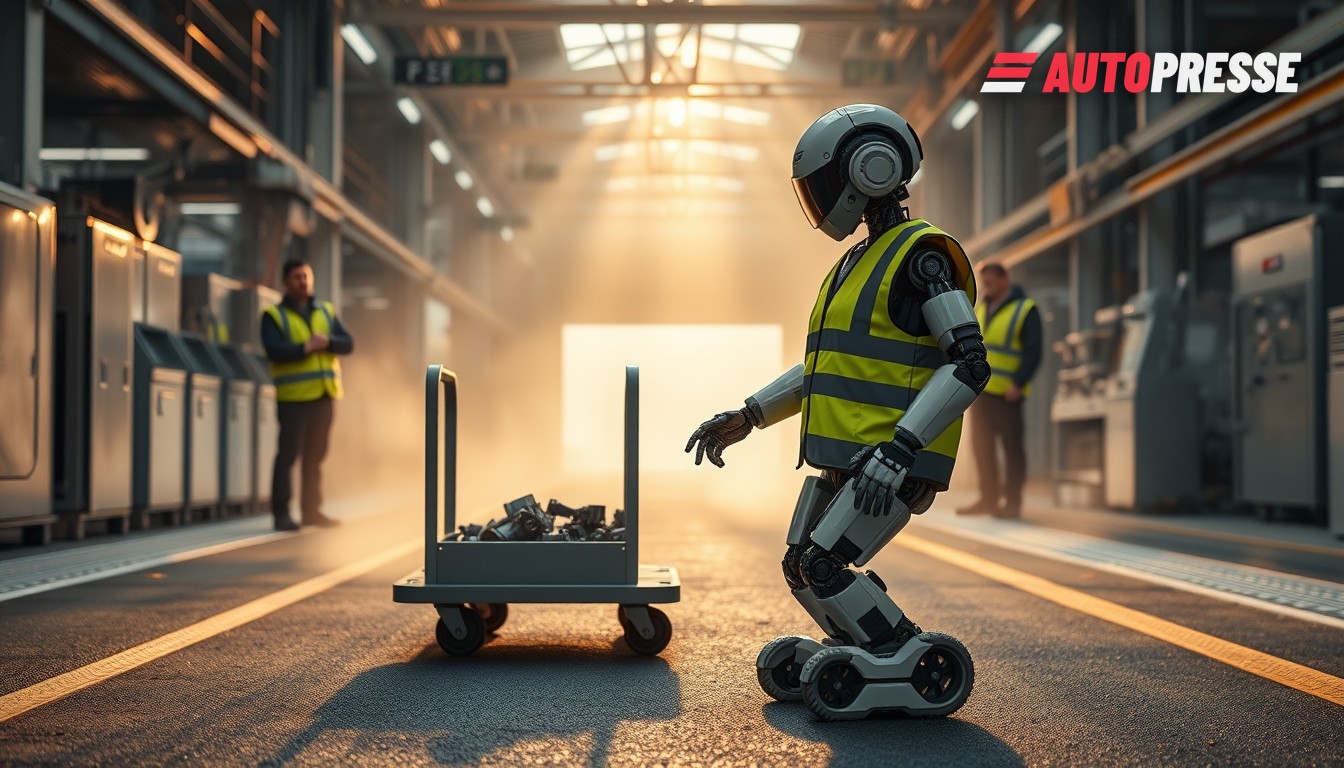
Robots today typically treat each operation as discrete: a part is seen, grasped and placed, then the next command starts afresh. That amnesia forces costly workarounds in automotive assembly and parts sequencing — extra sensors, handoffs to human operators or complex fixed automation. A memory layer lets robots maintain context across dozens of steps (for example: “I already installed the clip on the right door, I must now fit the left hinge”), which manufacturers say reduces interruptions and the need for repeated verification. NEURA’s CEO David Reger said, “A robot that genuinely helps in everyday life and industry must be able to remember.”