When people in Germany and Austria type "automatisch laden en lossen" into Google they are asking about automatic loading and unloading — a practical, workforce‑facing automation trend now playing out at Hamburg’s ports. In mid‑November HHLA confirmed it is extending battery‑driven Automated Guided Vehicles (AGVs) and expanding automated crane and charging infrastructure across its container terminals — concrete moves that show how ship‑to‑yard handling is being robotised and electrified.
The technology being deployed
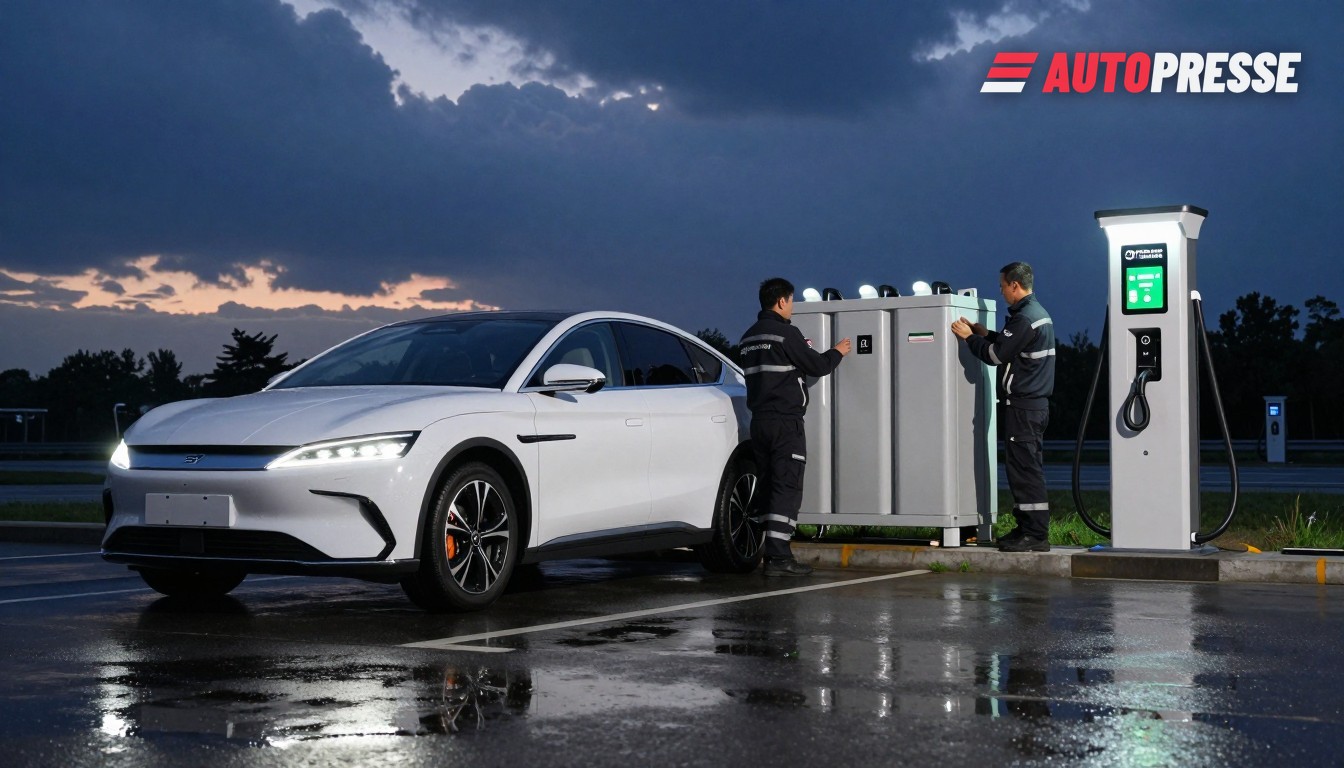
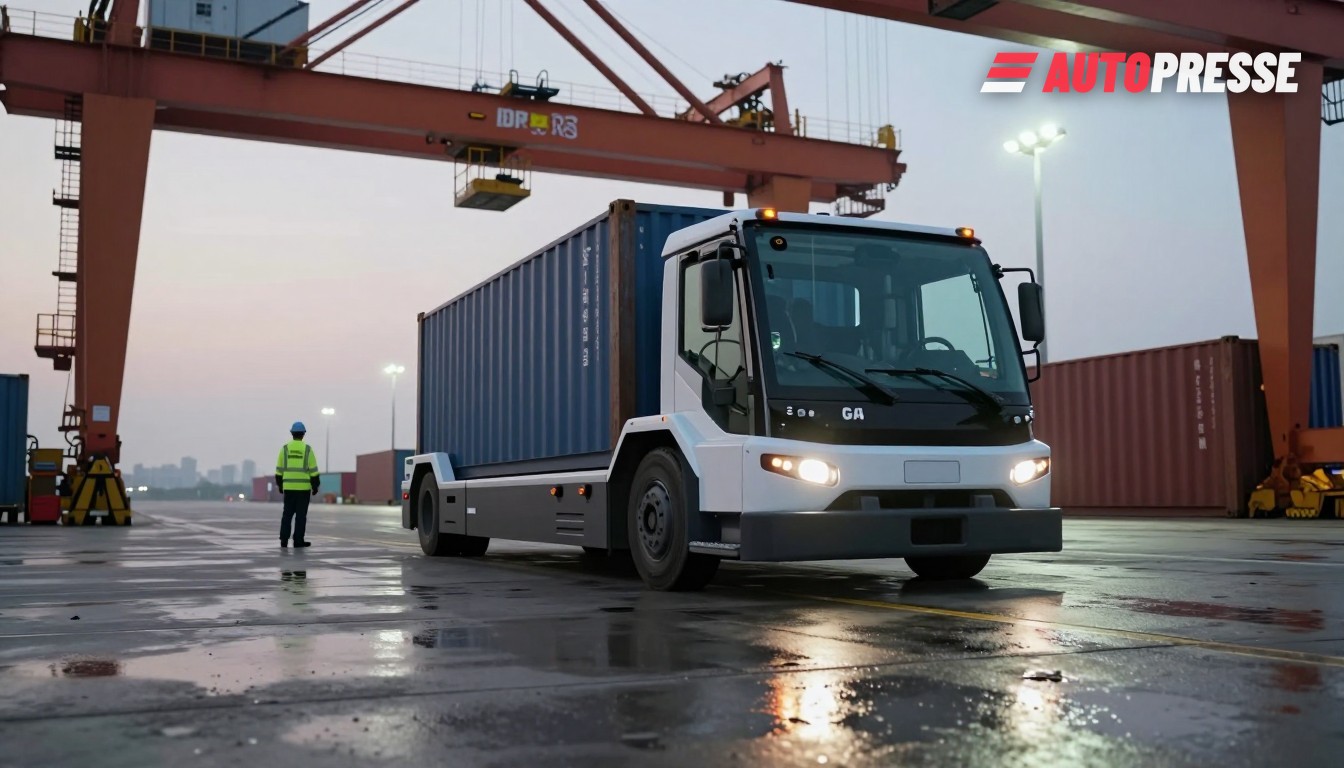
HHLA says its Container Terminal Altenwerder (CTA) already runs battery‑electric AGVs and has grown the electrified hinterland fleet while automating quay operations; the company reports AGV handling has been extended to additional berths and that charging infrastructure has been installed to support the shift. Those battery AGVs replace diesel‑based vehicles and are designed to be charged strategically to take part in grid stabilisation — HHLA’s documentation even models using AGV batteries as reserve energy and building up to multi‑megawatt aggregated capacity in quiet periods.
Beyond AGVs, HHLA is deploying automated gantry cranes and connected control software developed by its automation subsidiary iSAM to harmonise crane, vehicle and yard movements. The group’s interim statement for January–September 2026 underlines that these automation steps — electrified AGVs, new cranes and extended automation — are live projects, not distant plans.
How this answers the search intent
Searchers asking about "automatic loading and unloading" want to know whether machines can actually perform these tasks today and where. The HHLA developments show a real‑world answer: large German terminals are already automating the physical tasks of moving containers between quay, yard and hinterland using AGVs and automated cranes, with integrated charging and energy‑management systems to keep operations running. That makes the abstract phrase “automatic loading and unloading” concrete for shippers, depot operators and logistics workers.
What this means for the market
For logistics employers and staff in Germany and Austria the trend is immediate and double‑edged: automated systems raise productivity and can reduce diesel use and emissions (HHLA cites millions of litres of diesel avoided by electrification), but they also shift the type of work on site — from driving heavy vehicles to supervising and maintaining automated fleets and software. For fleet buyers and OEMs, demand is rising for battery‑driven heavy handling equipment and robust depot charging; for grid and energy planners, ports become both large electricity consumers and potential flexible storage assets.
HHLA’s public materials and industry coverage in November 2026 show the move is not just pilot projects but a phased roll‑out tied to investments in chargers, cranes and yard control software — a model other European ports and large warehouses are studying right now.
Electric vehicle listings on WorldTrader24 →
Sources: Hamburger Hafen und Logistik AG (HHLA), Logistik Heute