The next phase of Europe’s electric transition is increasingly local. For drivers, dealers and plant workers across Germany and Austria the story is no longer just more cars: it is where high‑voltage batteries are made, how cars feed power back into the grid, and what happens to packs when a vehicle’s life ends. The facts are stark: BMW opened a new Gen6 battery‑assembly plant in Lower Bavaria on 1 October 2026 and Austria counted an estimated 304,328 BEVs at the end of July 2026 — with roughly 39,500 public charging points.
Battery manufacturing moves from plans to production
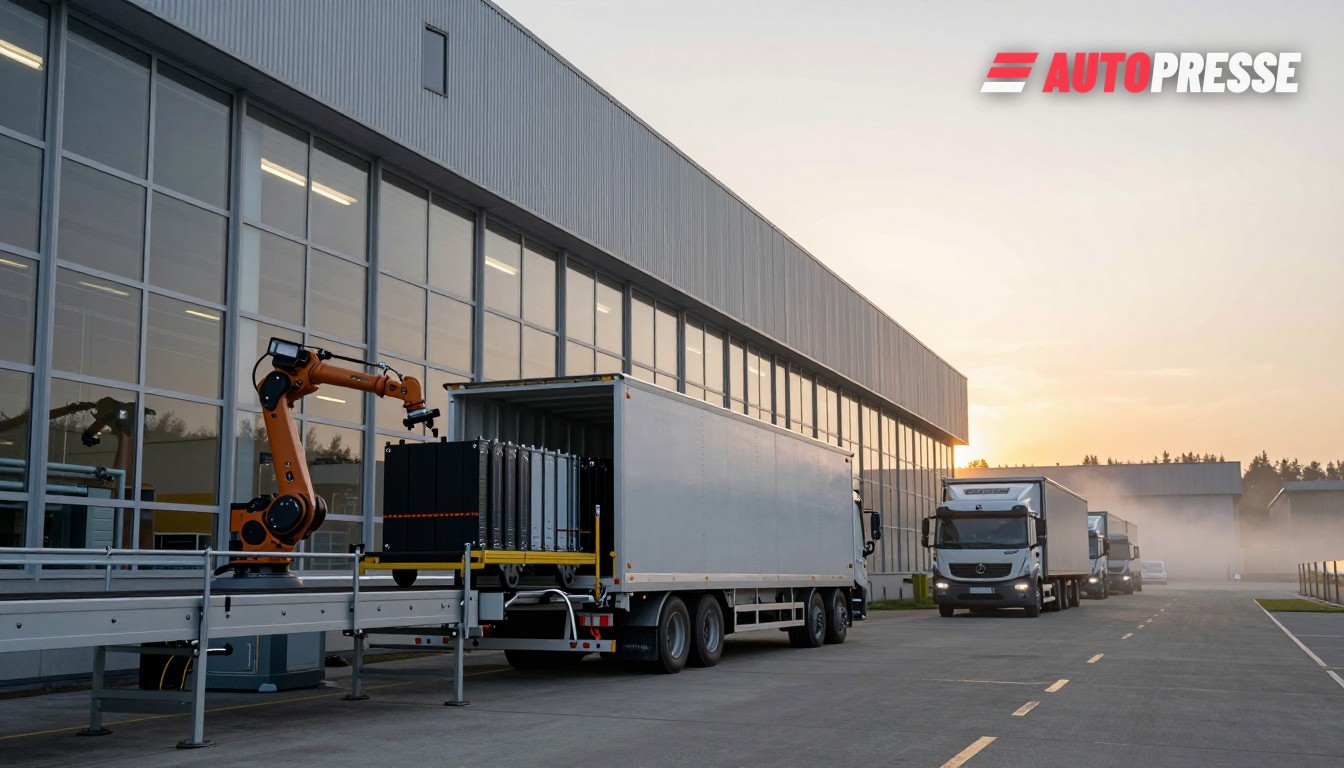
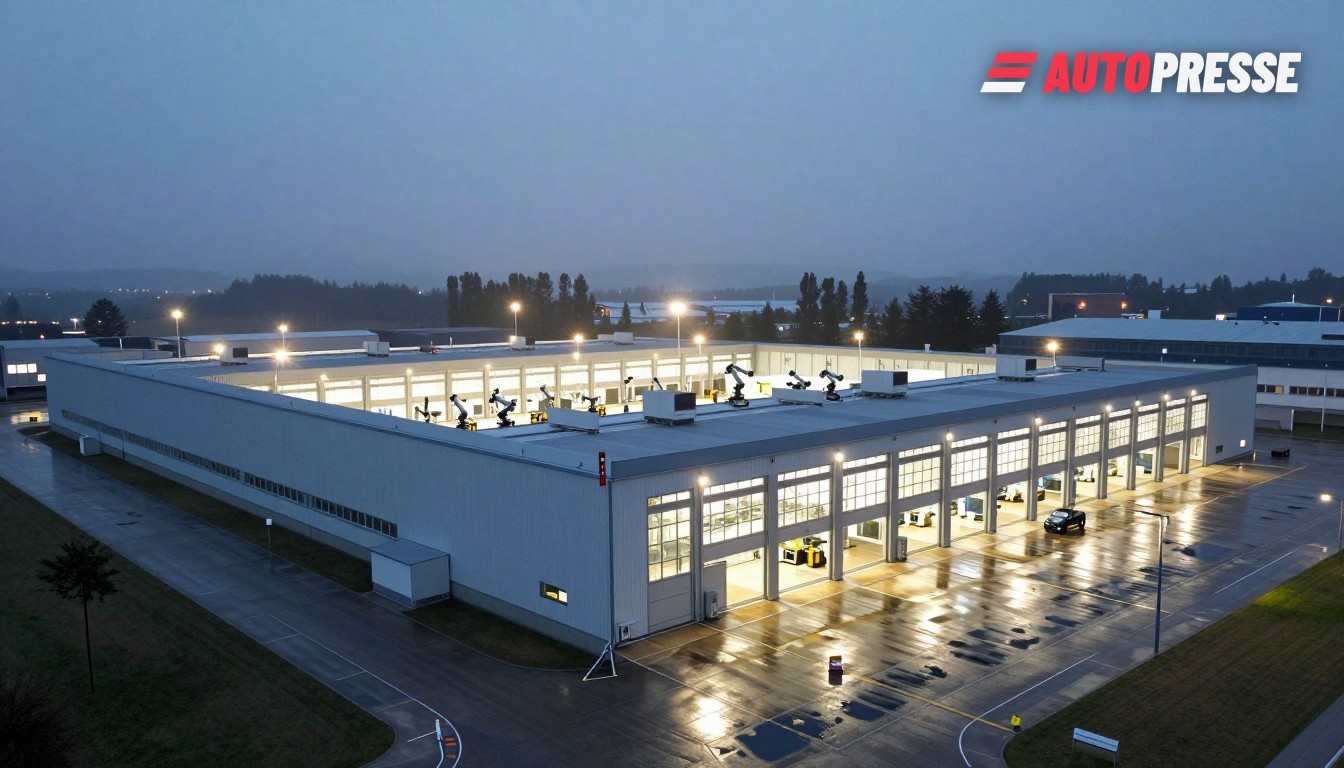
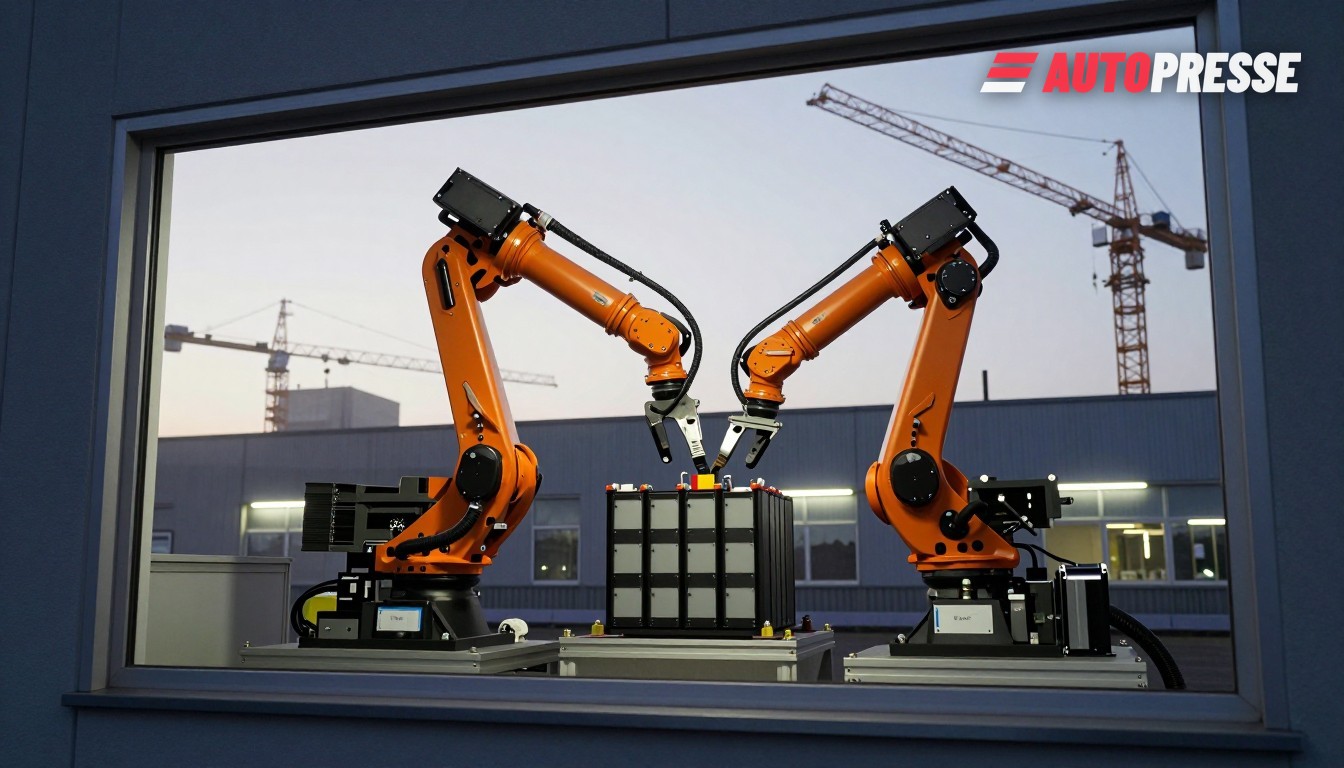
BMW’s Plant Irlbach‑Straßkirchen began series production of sixth‑generation high‑voltage batteries on 1 October 2026 after a roughly two‑and‑a‑half‑year build. BMW says the site represents about €1 billion of investment, runs two shifts from day one and will supply Munich and other German car plants for the Neue Klasse programme; the company also describes a nearby recycling and near‑series cell network that links production and material recovery.
That shift matters because Europe’s strategy to shorten supply chains and secure cells is taking shape in factories, not press conferences. While large cell gigafactory plans remain volatile across the continent, OEM investments in pack assembly and local recycling are already creating jobs and keeping value‑added processes in Germany. Independent observers note the pattern: where automakers add local pack and recycling capacity, industrial activity and supplier demand follow.
V2G and second‑life: grid services move into real‑world pilots
The energy dimension is accelerating in parallel. Volkswagen’s energy subsidiary Elli has signalled a market V2G (vehicle‑to‑grid) offer in Germany for Q4 2026 after a mid‑year pre‑registration phase, and energy suppliers such as Octopus Energy have already opened V2G tariffs for specific Audi models — moves that link OEM software, smart chargers and retail energy tariffs. Those commercial launches follow months of pilots and regulatory fixes that removed key barriers to bidirectional charging.
In Austria the focus remains on demonstration and logistics: national projects and partnerships are testing bidirectional charging in depot and logistics fleets, and operators such as Post, EVN and regional networks are running pilots that treat vehicles as mobile buffers for the grid. Austria’s research and programme activity underpins the national expansion of chargers while testing business models for second‑life reuse and depot V2G.
What this means for the market
For buyers and fleets: local battery assembly and V2G tariffs lower total cost of ownership in time — packs built and recycled nearby reduce logistics and may accelerate warranty and reuse programmes. For dealers and workshops: new skills in battery diagnostics, software updates and charger integration will be essential as OEMs bundle energy services with vehicles. For infrastructure and grid operators: the challenge is coordination — the VDA’s July 1, 2026 snapshot shows charging roll‑out growing rapidly, but municipal gaps and uneven fast‑charger coverage remain, so grid upgrades and faster permitting stay urgent.
In short: Germany’s new battery sites and Europe‑scale OEM V2G rollouts are converting EVs from a transport asset into an energy one; Austria’s fast uptake and targeted pilots make it an important proving ground for depot‑scale V2G and second‑life uses. Expect hiring in pack‑assembly and recycling, new tariff partnerships between OEMs and energy suppliers, and a growing aftermarket for certified second‑life battery systems over the next 24 months.
Electric vehicle listings on WorldTrader24 →
Sources: BMW Group, VDA, Austrian Federal Ministry (bmimi.gv.at), Electrive, Octopus Energy / pv‑magazine