Germany and Austria are no longer just swapping combustion engines for batteries; regulators, recyclers and grid planners are forcing structural change. In recent months the EU’s Digital Battery Passport move, a persistent patchwork of public chargers and a spate of recycling deals have combined to reshape how manufacturers, dealers and local planners must operate — with immediate deadlines and measurable capacity shifts.
Battery passports: registry live, rules still to fix
The EU’s Digital Product Passport (DPP) registry for batteries went operational in July 2026, and the Batteries Regulation makes the battery passport mandatory from 18 February 2027. However, a critical implementing act that defines who may access restricted passport data and how those rights work remained pending through late 2026 — leaving manufacturers and recyclers to prepare for mandatory registration while access rules are still being finalised.
Industry guidance and Commission FAQs stress that the operator who places a battery on the EU market will register the passport and that some data fields will be public while others require “legitimate interest” rules to be adopted in an implementing act. That timetable — registry live now, access rules expected in Q4 2026 or at the latest before February 2027 — gives German and Austrian players a narrow window for systems integration and audit readiness.
Charging: big headline totals, local white spots
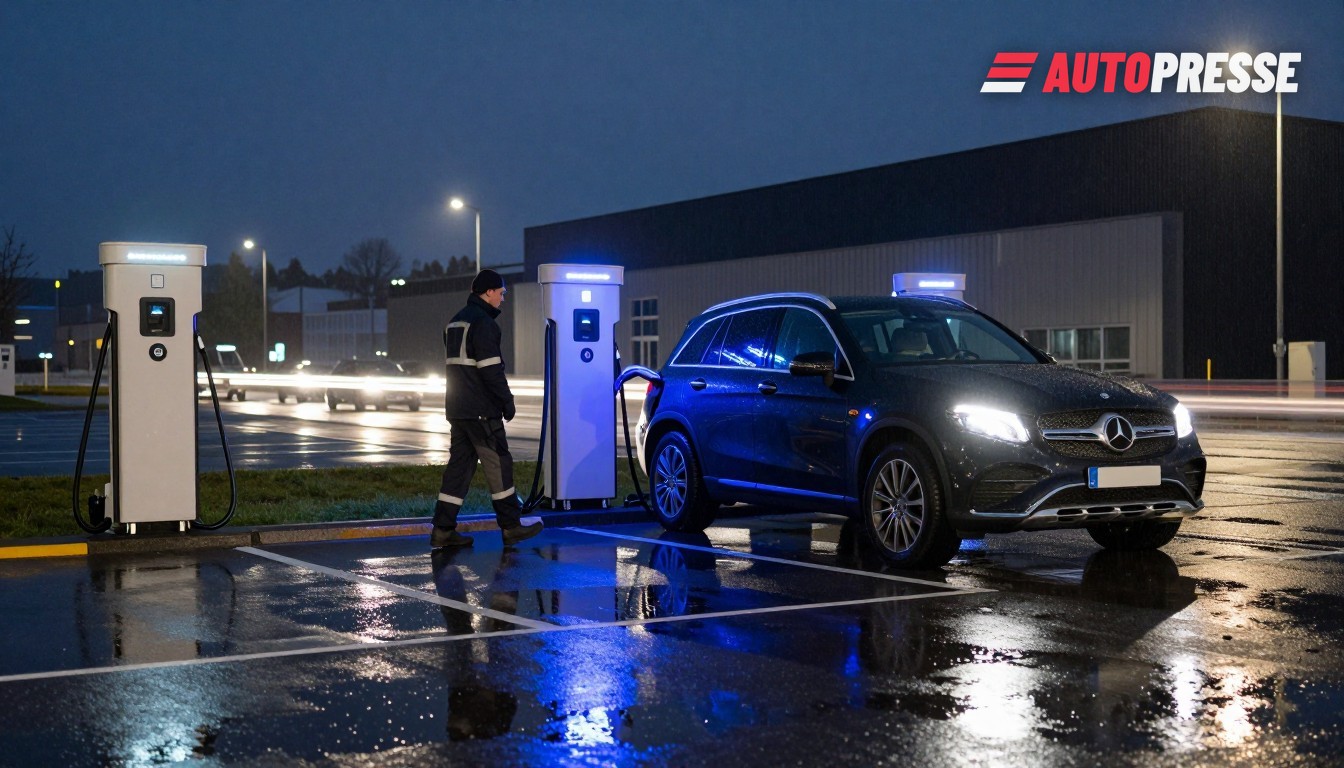
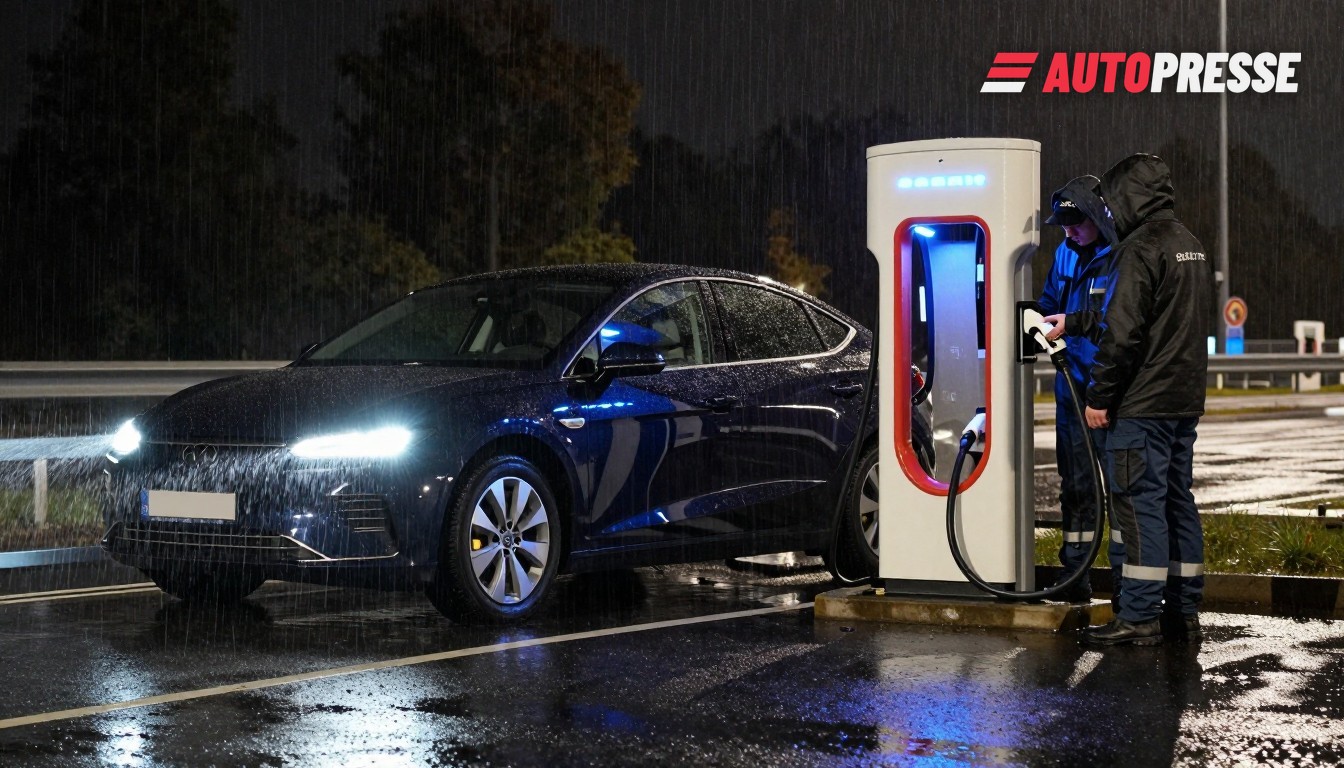
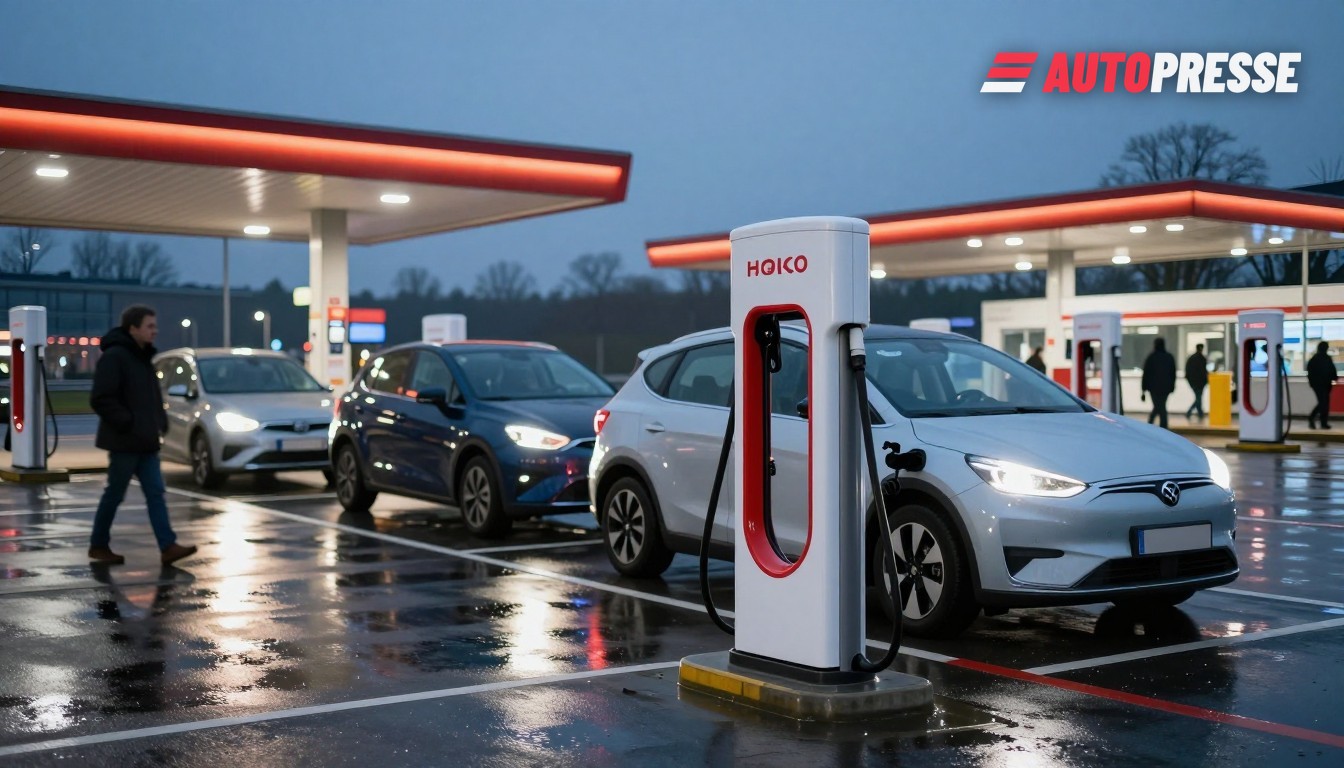
Germany’s public charging roll‑out has passed the 200,000 mark in official registers, with the Federal Network Agency reporting 160,376 normal‑speed points and 57,737 fast points in operation as of 1 October 2026 (total installed public power ~9.57 GW). But availability is uneven: a recent industry analysis finds roughly three in ten municipalities still have no public charging point and more than six in ten have no public fast charger — a gap that keeps range anxiety and planning headaches firmly local.
At European level the Alternative Fuels Infrastructure Regulation (AFIR) and related interoperability rules are driving a push for high‑capacity sites along main corridors, but local grid capacity and planning delays remain binding constraints for many German and Austrian municipalities. The International Energy Agency highlights AFIR’s role in accelerating ultra‑fast charger deployment while warning grid upgrades must follow.
Recycling consolidates as capacity hits industrial scale
Germany and Austria are also seeing rapid consolidation and capacity buildup in battery recycling. Industry and research bodies report multiple new and expanded plants across Germany — from pilot and demo sites to large “black mass” refineries — and Fraunhofer analysis shows installed plus announced European recycling capacity climbing to meet growing end‑of‑life feeds. At the same time, major corporate deals are re‑shaping the landscape: in November 2026 BASF agreed to sell its battery‑recycling business (including the Schwarzheide black‑mass plant) to cylib, a move industry sources describe as a sign the sector is moving from pilots to industrial scale.
What this means for the market
Dealers and OEMs: expect tighter IT and compliance work. The DPP timetable forces manufacturers and importers to connect production and supply‑chain IT to the EU registry and to prove data quality before February 2027; dealers and service networks must prepare to read and act on passport data for repurposing, repairs and warranty work.
Local planners and grid operators: high‑capacity chargers on motorways and big depots will keep growing, but municipalities without public charging points remain a commercial and political challenge; grid upgrades and faster permitting will decide which towns turn into EV‑friendly catchments.
Suppliers and recyclers: the market is consolidating. New industrial refineries and strategic acquisitions mean upstream material flows (black mass, refined lithium) will increasingly be handled by larger European processors — a structural change that reduces import dependence only if industrial‑scale recycling proves reliable and permitted volumes arrive on schedule.
Electric vehicle listings on WorldTrader24 →
Sources: Bundesnetzagentur, VDA, European Commission (DPP guidance), Fraunhofer ISI, BASF / cylib