Germany and Austria are quietly turning retired electric‑vehicle packs into working grid gear. Utilities and research teams have launched a wave of pilots this autumn: Vienna’s Wien Energie says its second‑life installation uses about 400 retired EV modules alongside a new redox‑flow pilot at Donaustadt, while Fraunhofer ISE and EDENenergy have demonstrated a first industrial storage assembly built from 112 re‑used e‑scooter batteries. These projects show technical feasibility — and a growing local supply of candidate packs.
New pilots and technology
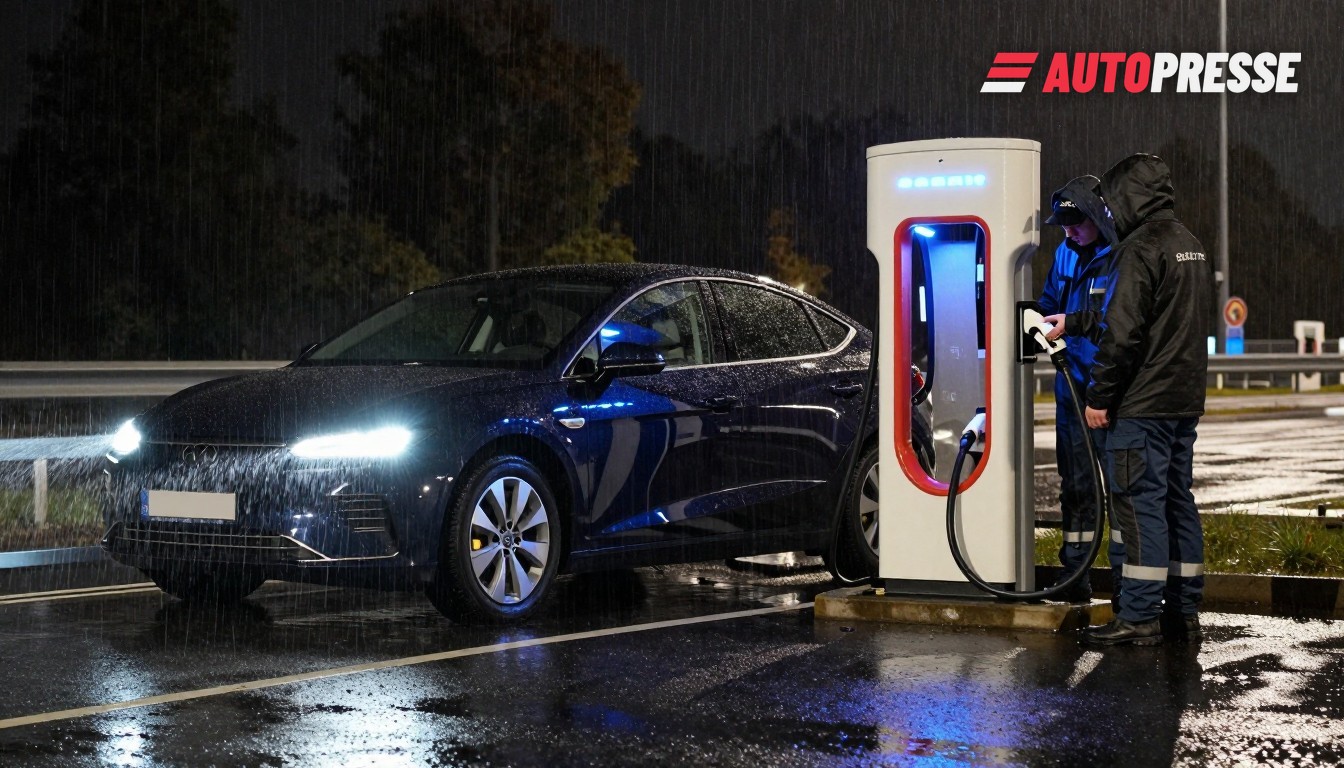
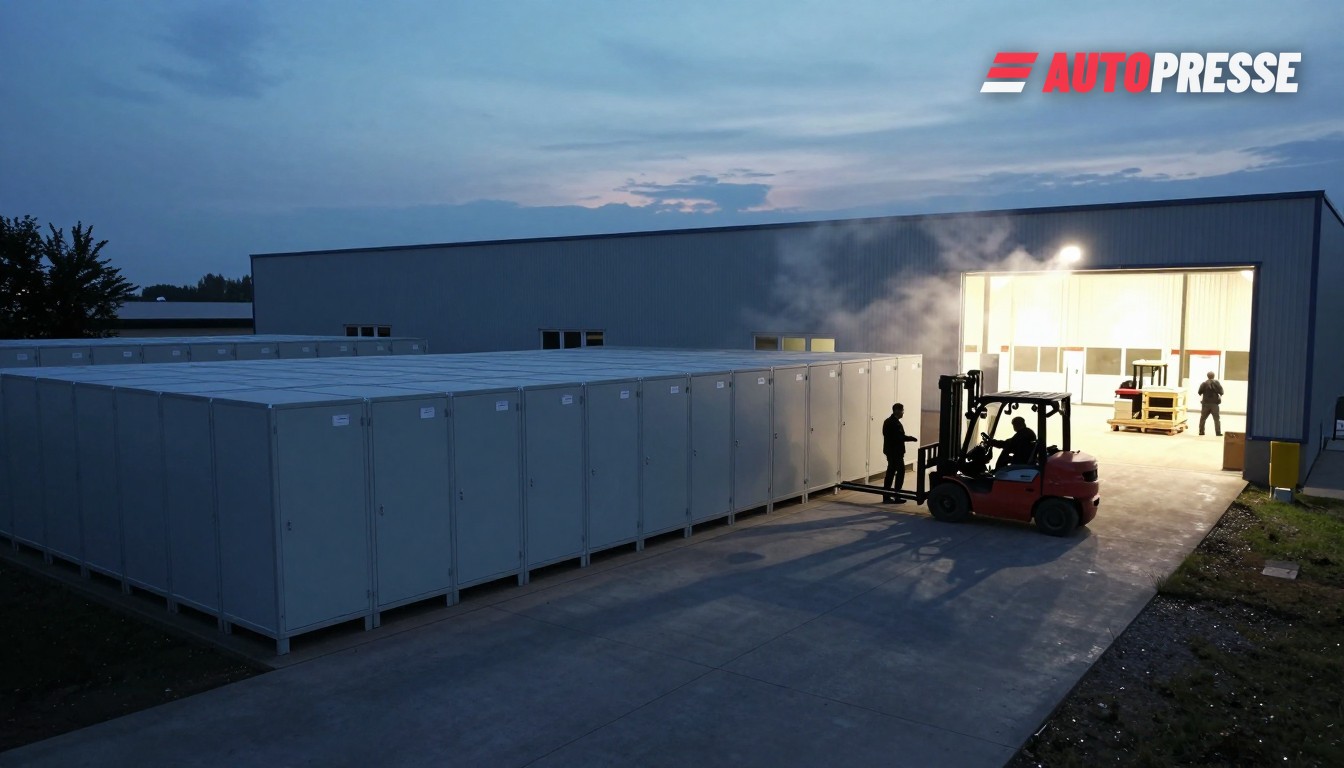
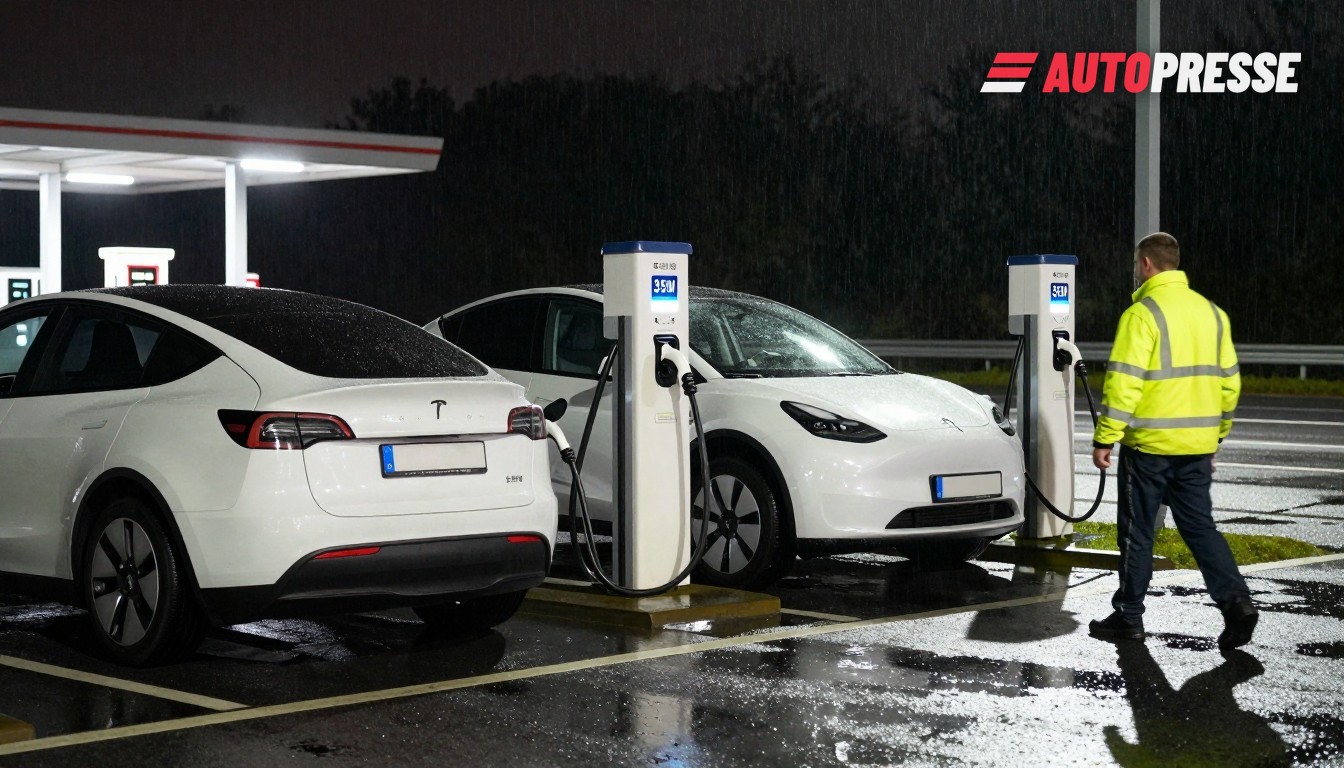
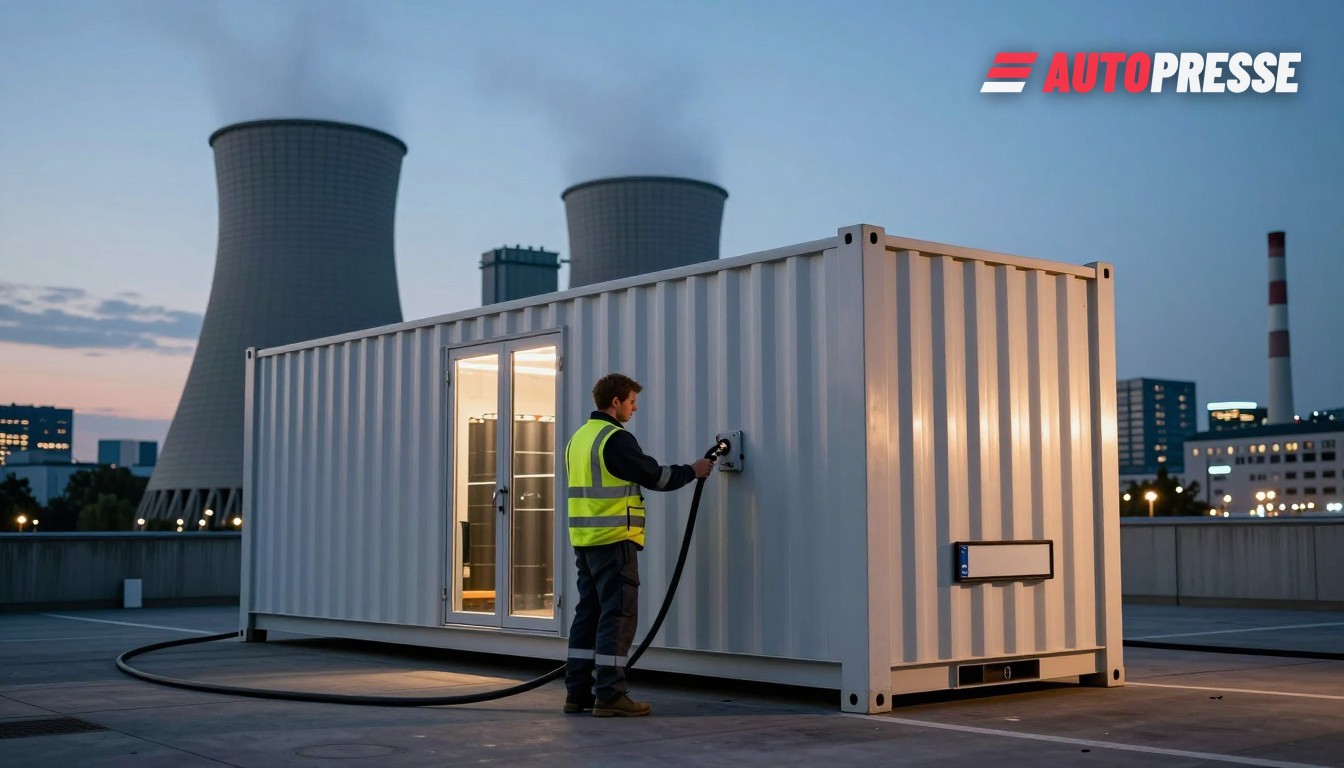
Across both countries, projects focus on two use cases: behind‑the‑meter buffering for industry and peak‑shaving / local grid services for utilities. EU‑backed research (the BATTERY Management second‑life project) is developing cloud‑native BMS tools and fast screening methods to cut refurbishment time and connect heterogeneous modules safely; those tools are now being validated in small domestic and industrial pilots this year. Fraunhofer teams emphasise flexible power electronics that let differently aged cells operate together, while start‑ups are shipping containerised systems that tie second‑life packs to DC fast chargers and local PV.
In Austria, regionally focused schemes — from Saubermacher’s Premstätten pilot to Graz‑area initiatives — are already testing semi‑mobile 100 kWh systems for peak shaving and recycling‑hub optimisation, and commercial players such as STABL report multi‑MWh orders for industry and utilities. Wien Energie’s November 2026 statements put the utility’s second‑life deployment and new flow‑battery pilot side‑by‑side as complementary steps in Vienna’s storage portfolio.
Barriers: economics, testing and standards
Despite technical progress, independent analysts and academics warn second‑life will not automatically supply Europe’s storage needs. A recent industry analysis argues Europe’s storage boom has largely outpaced realistic second‑life volumes and cost advantages, while peer‑reviewed techno‑economic work highlights the need for robust health‑screening, standardised interfaces and application‑specific qualification to make reused packs bankable. In practice, soft costs — testing, traceability, insurance and integration — can erase the raw material discount unless BMS, data and certification improve.
What this means for the market
For German and Austrian grid operators, second‑life systems offer quicker, local flexibility and a route to reuse valuable cells while recycling capacity scales up. For installers and OEM‑affiliated workshops, new revenue streams appear in battery testing, refurbishment and containerised systems; utilities and industrial customers see near‑term value for peak shaving and diesel replacement. But wider commercial roll‑out depends on three things: repeatable, cheap testing and data flows (to prove remaining life), interoperable BMS/software stacks underpinned by EU rules, and predictable end‑of‑life recycling chains so reused cells are not stranded assets. Policymakers and buyers must therefore prioritise standards and certification even as pilots expand.
Electric vehicle listings on WorldTrader24 →
Sources: Fraunhofer ISE / EDENenergy, CORDIS (BATTERY project), Wien Energie, EnergyNews / Voltfang, MDPI review.