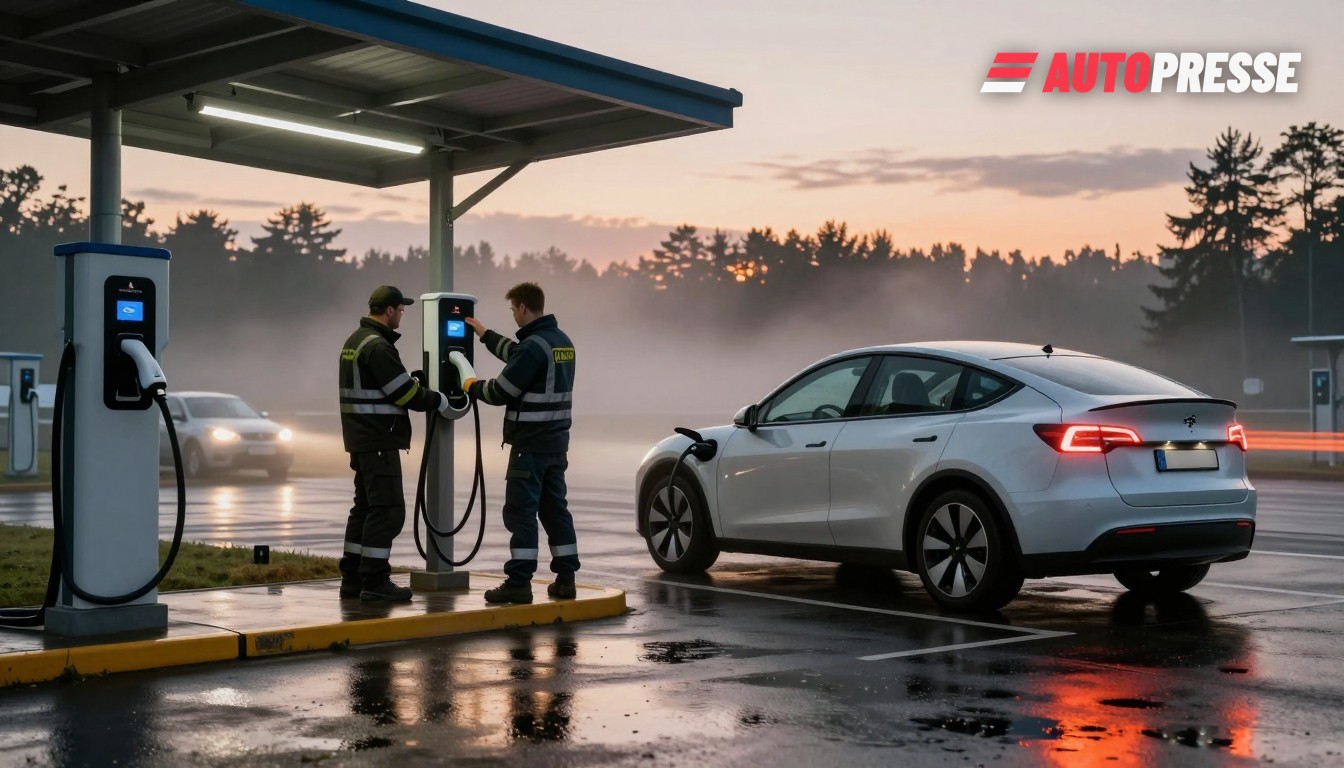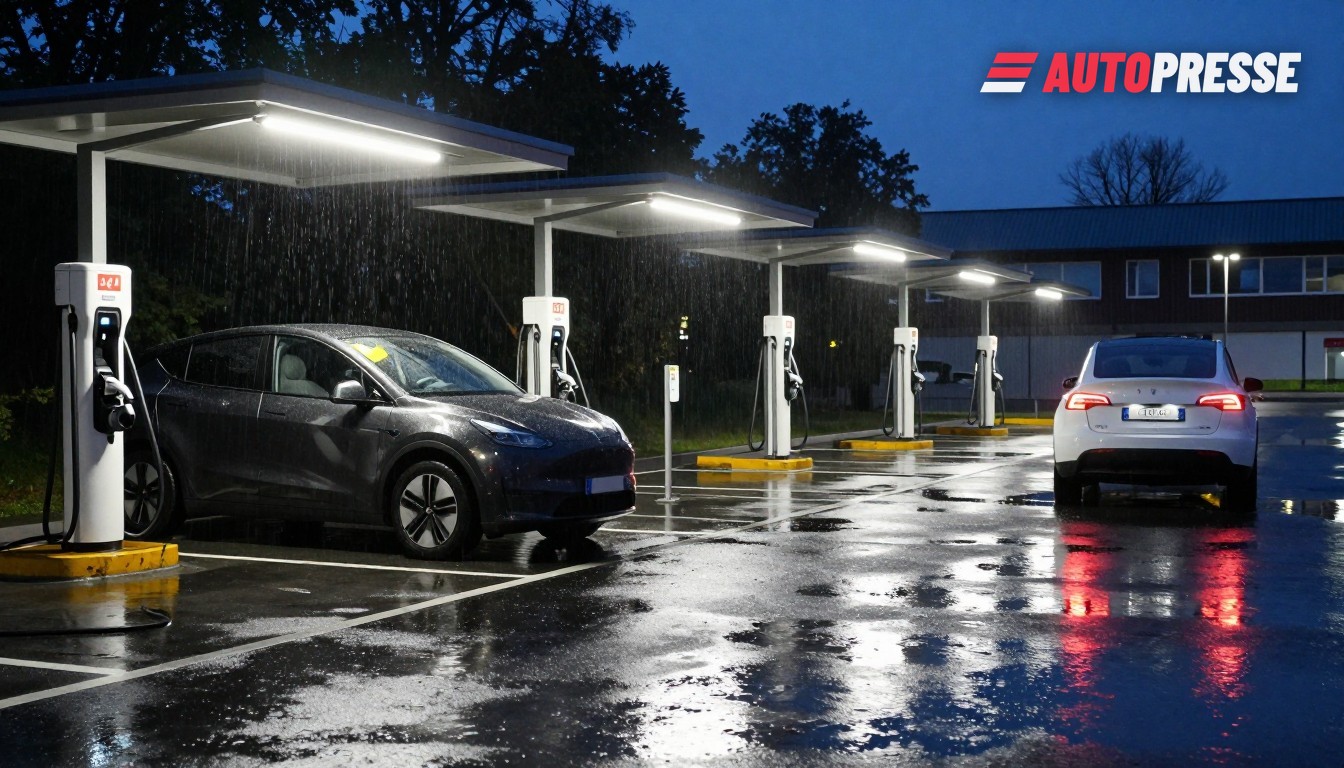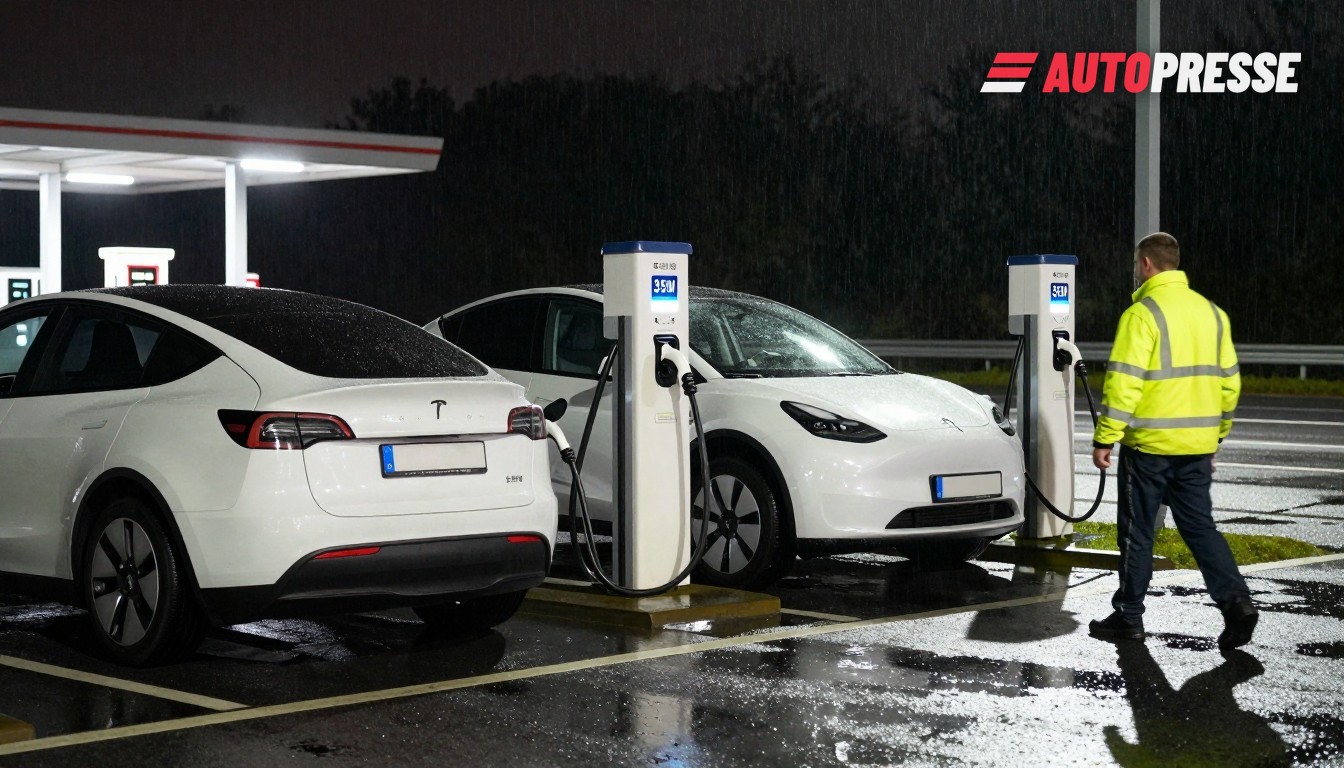
The headline numbers keep rising, but the user experience still depends on invisible software. Germany now lists roughly 214,398 public charge points across about 119,000 stations; operators and networks are turning to common back‑end platforms and roaming programmes to stop fragmented apps and payment errors from undermining BEV adoption.
Platform consolidation — what changed this year
Europe’s charging market moved decisively from bespoke stacks to shared software in 2026. Allego completed a major migration to AMPECO’s Charge Point Management System (CPMS) across tens of thousands of charge points in late October, switching more than 32,000 EVSEs in one coordinated cutover on the night of 27–28 October 2026. Allego and AMPECO say the migration handled roaming, billing, Plug‑and‑Charge and payment terminals with minimal driver impact.
At the same time Fastned joined the Digital Charging Solutions (DCS) Preferred Partner Program on 1 July 2026 to put its chargers into OEM‑facing channels and in‑car head units, expanding visibility for drivers and manufacturers across Germany and the other European markets where Fastned operates. Fastned has also staffed an Austria team as it prepares market entries there.
Why operators are standardising now
Operators cite scale, standards compliance and the cost of maintaining bespoke back ends as the drivers for change. Allego’s leadership framed the move as a way to hand the platform layer to a specialist so the network can focus on commercial differentiation and site growth; AMPECO’s case study documents the fast, low‑risk cutover approach Allego used. That migration is an explicit example of how software centralisation reduces integration friction for roaming partners and payment processors.
For drivers and fleets the practical effects are immediate: fewer failed authorisations, wider access from single apps or OEM head units, and faster rollout of features such as Plug‑and‑Charge. For operators, standard CPMS platforms simplify regulatory compliance and accelerate software feature roll‑outs across national markets — a real advantage in Germany and Austria where permitting and grid connections still constrain how quickly new sites can appear.
What this means for the market
Consolidation at the back end is not a silver bullet for grid or permitting problems, but it shrinks a major source of customer frustration. In Germany, where EnBW is the single largest operator by count, and public charging density reaches well into the hundreds of thousands of sockets, the shift to shared CPMS and preferred‑partner roaming reduces friction for cross‑border trips and fleet operations.
In Austria the immediate effect will be better in‑car visibility and simpler payments as players such as Fastned and other continental networks prepare rollouts supported by centralised software partners. Dealers, fleet managers and fleet software vendors should expect fewer ad‑hoc integration projects and faster access to consistent charge‑point telemetry and billing data — important for TCO calculations and after‑sales services.
Operators still face the harder tasks — securing grid capacity, navigating local permits and installing the high‑power hardware the latest BEVs can use. But the migration of tens of thousands of chargers to professional CPMS platforms and agreements that expose chargers directly into OEM ecosystems is a pragmatic, immediate improvement for drivers and fleets across Germany and Austria.
Electric vehicle listings on WorldTrader24 →
Sources: Allego, AMPECO, Fastned, Wattlas