Germany and Austria are moving in different gears. German industrial output and vehicle production show signs of recovery after a volatile year, while Austria’s new‑car market has recorded a strong rise through October 2026 — yet investment plans and fresh labour demands mean jobs and suppliers face renewed uncertainty for 2027.
Production and registrations — the numbers
In Germany, passenger‑car production stood at 392,200 units in September 2026 and, year‑to‑date through September, manufacturers had built 3.03 million cars — 4% fewer than the same period in 2025, the VDA reported on 5 October 2026. Domestic BEV orders and monthly registration growth have helped stabilise volumes but total production remains below pre‑crisis levels.
Across the border, Statistics Austria reported that 265,282 passenger cars were newly registered in Austria between January and October 2026, an increase of 10.7% (25,688 vehicles) versus the same period in 2025; alternative‑drive vehicles accounted for two‑thirds of new registrations YTD. The rise was driven by strong growth in all‑electric and hybrid segments through October.
Investment, costs and workforce
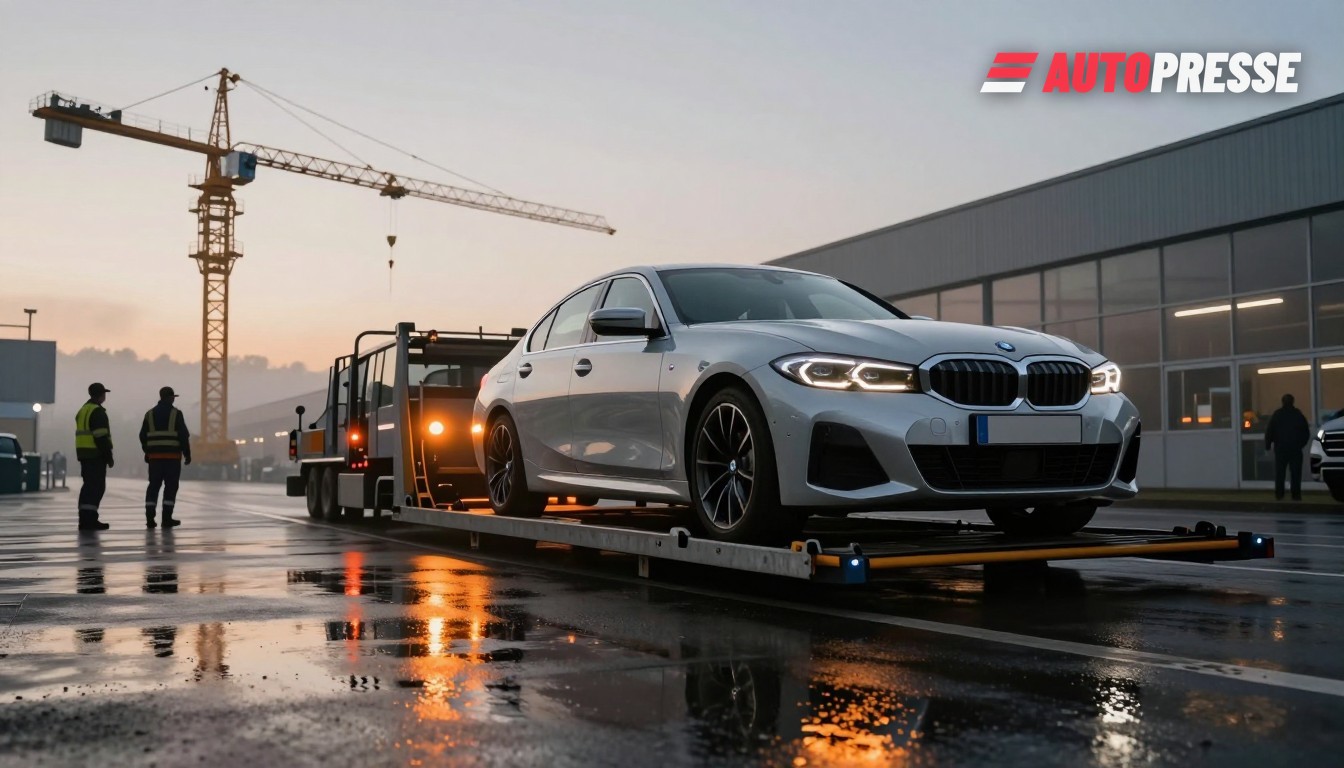
Manufacturers are responding with selective investment: BMW announced around €2 billion of spending to prepare Munich, Dingolfing and the new Irlbach‑Straßkirchen battery plant for the eighth‑generation 3 Series, saying the package secures regional value creation and jobs and underlining that “Consistent development is crucial to maintaining industrial strength.” The company described roughly €1 billion of investment for Irlbach‑Straßkirchen alone and said the plant began supplying batteries in October 2026.
At the same time, Volkswagen has formally submitted demands for collective bargaining negotiations that focus on “significant labour cost relief”, saying further cost realignment is needed because market pressures have increased since 2024 — a move that places employment talks and supplier relations centre stage ahead of 2027.
Macro data underline the mixed picture: Germany’s industrial production rose 0.7% month‑on‑month in September 2026 and was 0.4% higher year‑on‑year, signalling a modest rebound in output that includes the auto sector. Still, analysts warn special factors (holidays, one‑off shutdowns) and external shocks can quickly reverse the trend.
In Austria the supplier base is already contracting: national reporting shows the Austrian automotive supplier workforce fell by 3,000 people in 2025 (to 73,900 employees), and revenues declined — a reminder that registration gains do not automatically protect industrial jobs.
What this means for the market
For drivers and buyers: higher shares of BEVs and hybrids mean more choice and stronger incentives to purchase electric vehicles in both countries — Austria’s YTD share of alternative‑drive registrations (67.6% through October) is evidence of the shift. Dealers will need to balance EV stock with shrinking margins in some segments.
For suppliers and plants: the combination of selective OEM investment (for strategic models and battery capacity) and renewed pressure on labour costs forces suppliers to accelerate efficiency and diversify customers or risk further consolidation. The BMW investments show how targeted capital can secure production locally, while labour talks at Volkswagen signal potential headwinds if settlements require further plant or supplier adjustments.
For policymakers: the data make clear that registration growth and production are not the same thing — Austria’s market expansion coexists with supplier job losses, and Germany’s modest production rebound leaves the country exposed to global demand swings. Government and regional authorities must align incentives, training and infrastructure decisions to lock in value‑creation.
B2B vehicle listings on WorldTrader24 for dealers and fleets →
Sources: VDA, BMW Group, Statistics Austria, Volkswagen AG, Euronews, ORF