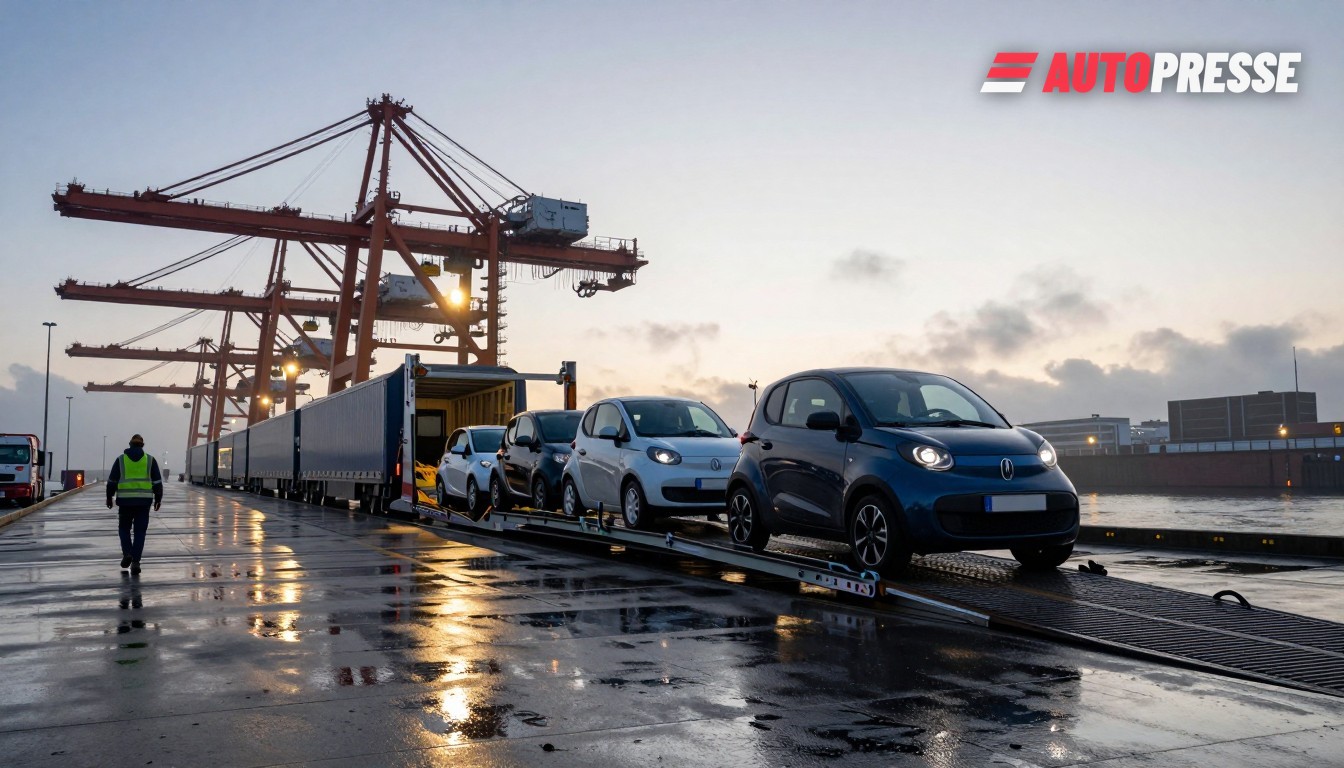
Germany and Austria are seeing a renewed appetite for new cars — but the shape of demand is changing. October data show healthy monthly registrations in Germany and clear winners among makes in Austria, while domestic production and exports still trail pre‑crisis volumes. That split matters for dealers, fleet managers and suppliers trying to match stock, local manufacturing and shifting brand preference.
Registrations vs. production: a widening gap
In October 2026 Germany recorded 254,492 new passenger‑car registrations and 2.476 million registrations year‑to‑date, while domestic production remained below last year’s level — 326,300 cars built in October and 3.37 million so far in 2026 (production down versus 2025 and still below 2019 levels). These figures underline a market where sales momentum is returning even as factory output and exports have not fully recovered.
Brand and buyer mix: foreign makes gain; Austria’s leaders hold firm
October’s country‑level split shows foreign makes growing faster than German makes in the month: German makes accounted for 171,423 registrations in October (−5% versus October 2025) while foreign makes totalled 83,069 (+18% year‑on‑year). That divergence is shifting showroom line‑ups and the profile of incoming stock for dealers.
Across the border, Austria’s official data for January–October list Volkswagen (13.1%), Škoda (10.5%), BMW (6.4%), Audi (6.0%) and Seat (4.7%) as the most frequently newly registered brands in that period — a reminder that established marques still dominate the Austrian top ranks even as competition intensifies. Separately, Stellantis Austria reported a 16.2% market share for October 2026, its strongest monthly result of the year.
What this means for the market
For dealers: the faster growth of foreign makes and the persistent gap between registrations and local production mean inventory sourcing and allocation will stay critical. Dealerships selling foreign‑brand models will feel pressure to keep supply steady as buyer interest concentrates on a narrower set of bestsellers.
For suppliers and OEM planners: production volumes remain 4–7% below last year’s output in the first ten months and materially under 2019 benchmarks, underscoring the need to align capacity with a market that is rebalancing toward imports and particular model lines. That dynamic also affects part flows, aftermarket availability and logistics planning.
For buyers and fleets: the mix‑shift means more choice across imported makes but continued strength for familiar brands in Austria. Expect localized price and availability differences by region and by brand as manufacturers prioritise allocation.
B2B vehicle listings for dealers on WorldTrader24 →
Sources: VDA (data from KBA), Statistik Austria, Stellantis Austria, MotorNews