Germany and Austria are shifting the EV conversation from batteries and plugs to software, AI and platform partnerships — and the change is happening now. Dealers, workshops and fleet managers should note two trends that matter locally: growing public appetite for over‑the‑air functionality and a fast move by manufacturers to stitch charging into their digital ecosystems.
AI moves from lab to vehicle lifecycle
At the automotiveIT car.summit in Munich (19–20 November 2026) speakers and case studies made the industry’s next step plain: companies are moving from the “software‑defined vehicle” to an “AI‑defined vehicle,” where AI agents write, test and validate software across the product lifecycle. The summit’s reporting and the Connected Car Innovation study named concrete winners (BYD, BMW and Mercedes‑Benz) and underlined that OEMs and suppliers must build engineering platforms that link software, data and validation—not treat SOP as an end point. As Michele Del Mondo (PTC) put it on stage: “SOP is no finish line.”
That technical shift is mirrored in buyer expectations: a Bitkom poll (22 October 2026) shows Germans increasingly prioritise connectivity, updates and AI safety features when choosing a car — 80% now say internet access is important when buying a vehicle, and 66% value online software updates. The survey also found broad public support for safety‑oriented AI interventions.
Charging as a digital service — and a partnership play
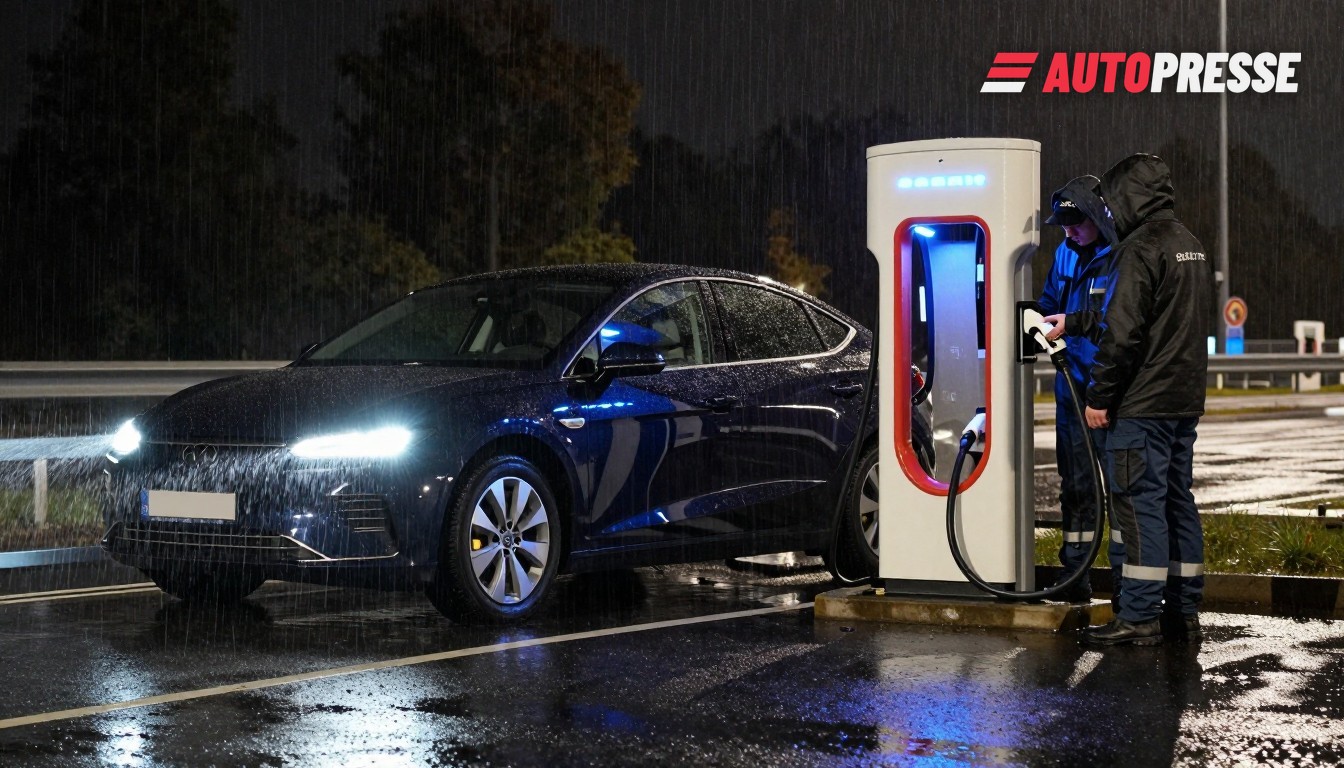
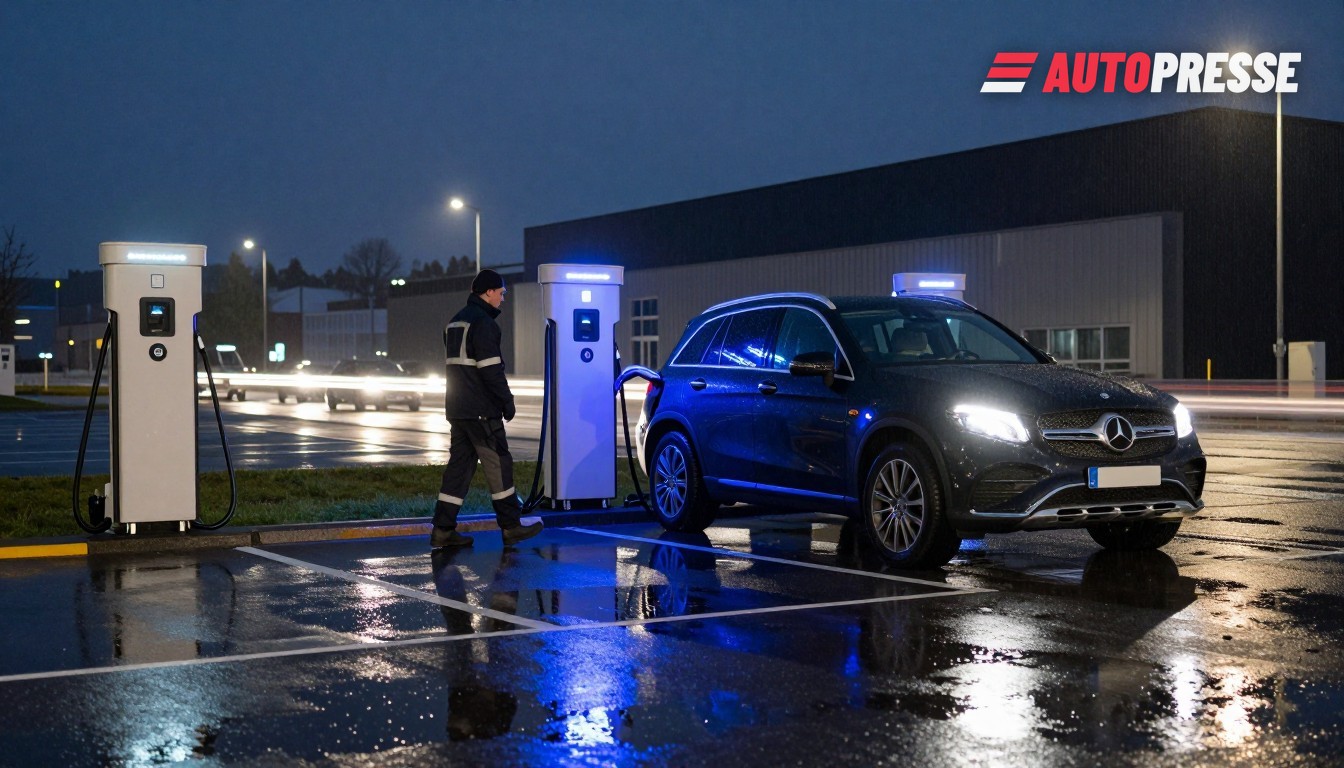
Manufacturers are responding by turning charging into a digitally integrated service. Electra and Mercedes‑Benz announced an expanded partnership on 3 November 2026 that integrates Mercedes‑Benz’s 47 High‑Power Charging hubs (374 chargers) into Electra’s European network; the change took effect from 1 November 2026 and adds 31 German and six Austrian Mercedes‑owned hubs to Electra’s map. Mercedes says customers will gain reservations, in‑car access and preferred tariffs through MB.CHARGE Public.
Those deals convert chargers into platform touchpoints: reservations, Plug&Charge/driver authentication and preferred pricing become part of a manufacturer’s customer experience rather than a stand‑alone utility. At the same time the carmakers and charge‑network operators gain richer usage data to optimise siting, tariffs and grid interaction.
What this means for the market
For drivers and buyers: expect software features and charging access to be decisive purchase factors over the next 12–24 months. The public already shows willingness to accept wireless updates (DEKRA/Ipsos found 56% of German vehicle owners interested in OTA updates in June 2026). That demand creates market leverage for manufacturers that can deliver safe, verifiable update processes.
For dealers and workshops: the skills mix must change. Software release management, cybersecurity, model/version traceability and cloud‑native testing will join mechanical repair on the job spec. OEMs and suppliers at the car.summit urged common engineering platforms and stronger validation chains so updates and AI models can be certified and rolled out without safety regressions.
For infrastructure and fleet operators: expect more commercial partnerships like Electra‑Mercedes as networks compete on convenience (reservations, preferred tariffs) and integration. Those partnerships accelerate user trust but raise the bar on interoperability and data governance — areas regulators and industry forums will have to clarify in short order.
New vendor types are appearing to serve this shift. Autonomous multi‑agent platforms that automate market scanning, lead handling and 24/7 customer voice calls are already marketing to dealers and importers — examples include DaVinci AI’s multi‑agent dealer tools and persistent‑memory assistants, which the company lists as targeted at dealer workflows and market scanning. Such tools promise instant inventory analytics, automated appointment booking and AI‑generated marketing content for dealer networks.
Electric vehicle listings on WorldTrader24 →
Sources: automotiveIT, DEKRA/Ipsos, Electra (Mercedes‑Benz press release), Bitkom, DaVinci AI