Germany and Austria are moving in different directions as the automotive transition accelerates. Austria’s new‑car market surged between January and October 2026, led by battery‑electric registrations that reached 8,434 in October alone; while German vehicle production slipped in October, leaving factories and suppliers juggling order books and exports. These shifts matter for drivers, dealers and workers across the Alpine supply chain: they change which cars are on forecourts, which parts suppliers get orders first, and where logistics spend will go next.
Austria: BEV momentum becomes concrete
Official Austrian statistics show 265,282 passenger cars were newly registered from January–October 2026, a 10.7% rise versus the same period in 2025, and 71,606 of those were all‑electric — up 39.5% year‑on‑year. In October 2026, Austria recorded 8,434 new BEV registrations (a 63.3% increase versus October 2025) — enough that fully electric cars made up 34.9% of new passenger cars that month. The federal ministry and Statistik Austria both note that plug‑in and full‑electric vehicles together now account for roughly half of October’s new registrations, signalling a rapid shift in buyer preference and dealer stocking plans.
Germany: output down, orders changing shape
Meanwhile Germany’s auto production cooled in October: manufacturers produced 326,300 passenger cars in that month (‑7% year‑on‑year) and 3.37 million units in the first ten months of 2026 (‑4% versus the same period last year). Exports and overall orders remain under pressure even as domestic BEV orders climb for German makes. The VDA reports that in October domestic order entry for pure battery‑electric cars rose strongly, even as total production and export volumes declined. That contrast — rising BEV demand on the one hand and falling overall factory throughput on the other — is forcing factories and suppliers to rebalance schedules and inventories.
What this means for the market
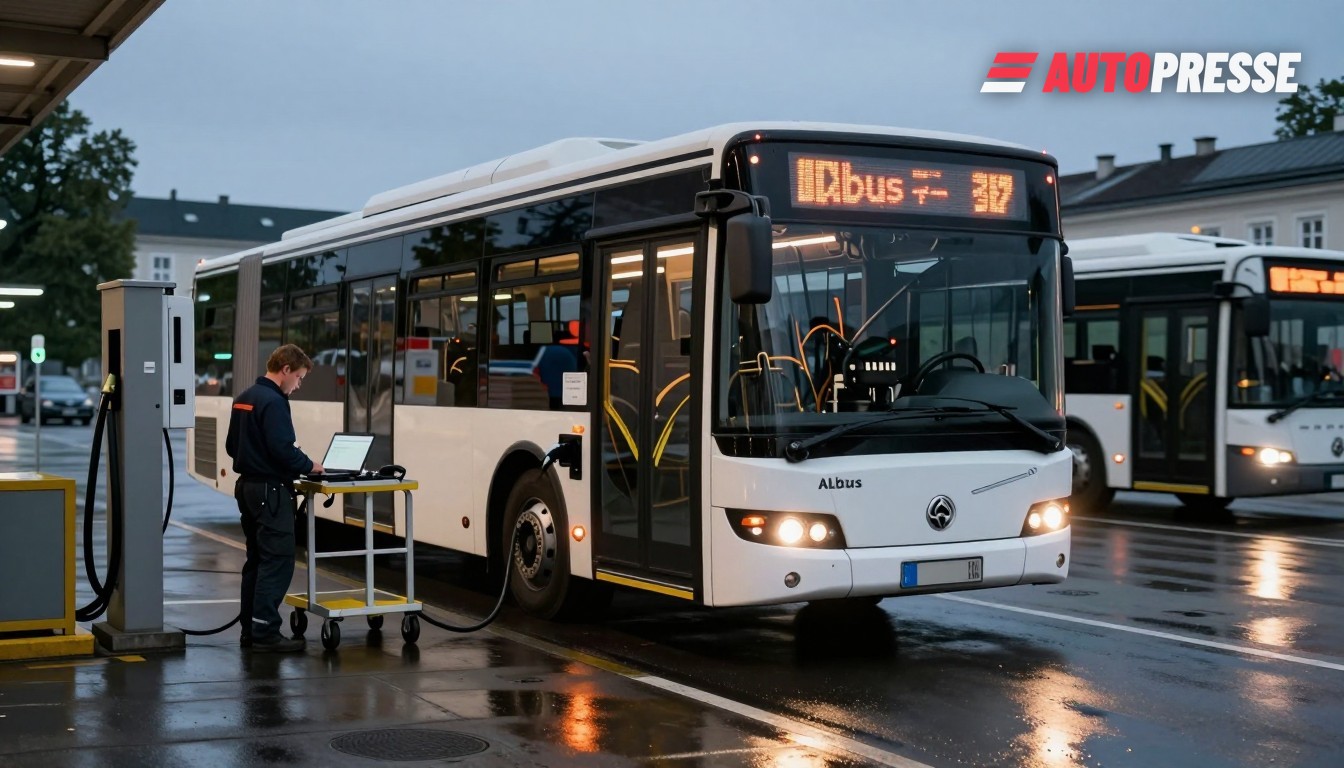
The immediate consequence is operational: Austrian dealers must expand EV service capacity and fast‑charging convenience, while German plants and suppliers adjust production mixes and export logistics to variable demand. Brand shares are shifting in Austria — Statistik Austria names VW, Škoda and BMW among the top makes, and highlights BYD’s strong growth of 75.3% in new registrations (Jan–Oct 2026). That growth pressures European dealers to re‑tool warranty, parts and training programmes for models from both legacy and new entrants.
Policy and labour dynamics add uncertainty. German collective bargaining tensions remain a background risk to output and scheduling at suppliers and OEMs; employers and unions remain at odds over pay and site security as the sector reshapes. Manufacturers and mid‑tier suppliers will need more flexible shift plans, faster parts reallocation across borders and clearer dealer‑service pathways to avoid delivery delays and spare‑parts bottlenecks.
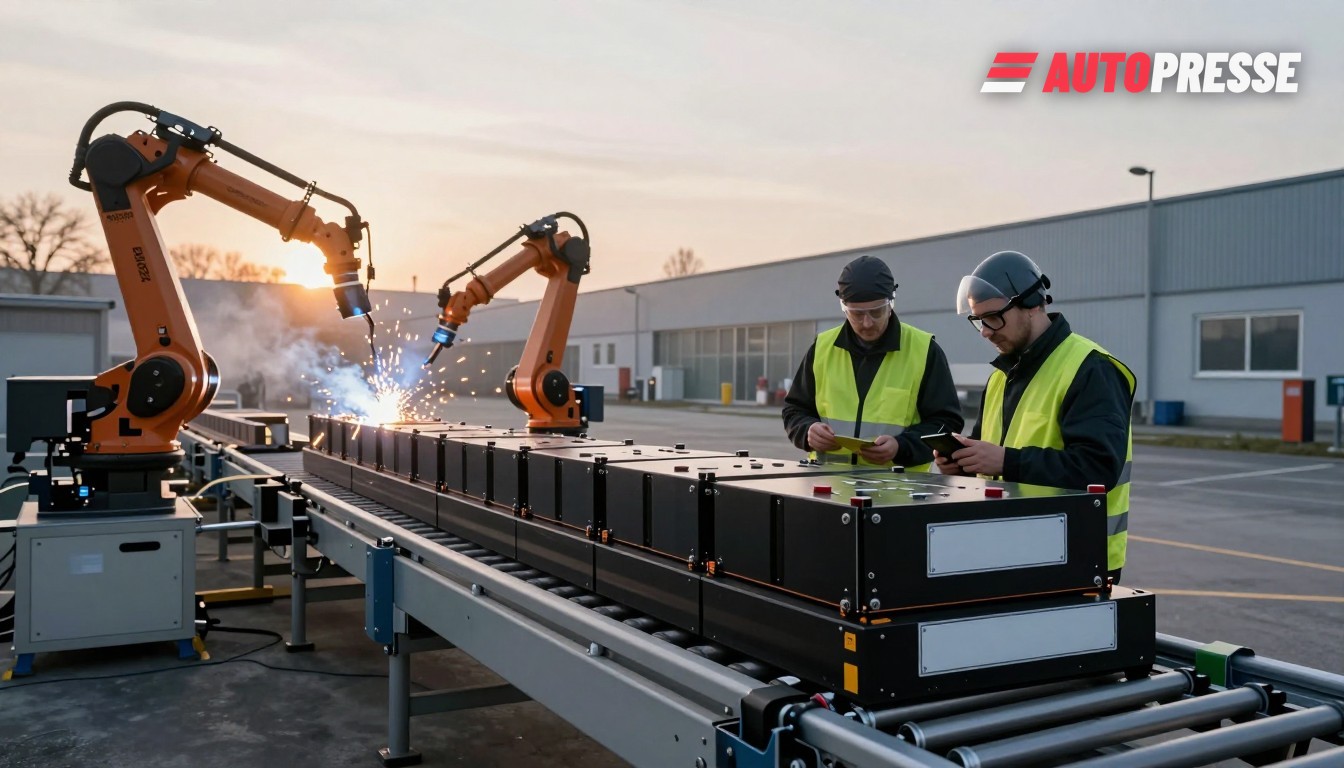
For buyers and fleet managers the near term looks like a widening choice of electrified models in Austria and cautious availability in Germany: dealers on both sides of the border should expect higher demand for charging infrastructure, used‑EV warranties and rapid technician upskilling. Suppliers that can move capacity quickly to match BEV sub‑assembly demand — battery interfaces, power electronics and thermal management — will gain the upper hand in contracts through 2027.
Electric vehicle listings on WorldTrader24 →
Sources: Reuters/MarketScreener, VDA, Statistics Austria, Austrian Federal Ministry for Energy and Economy (BMIMI), Tagesschau