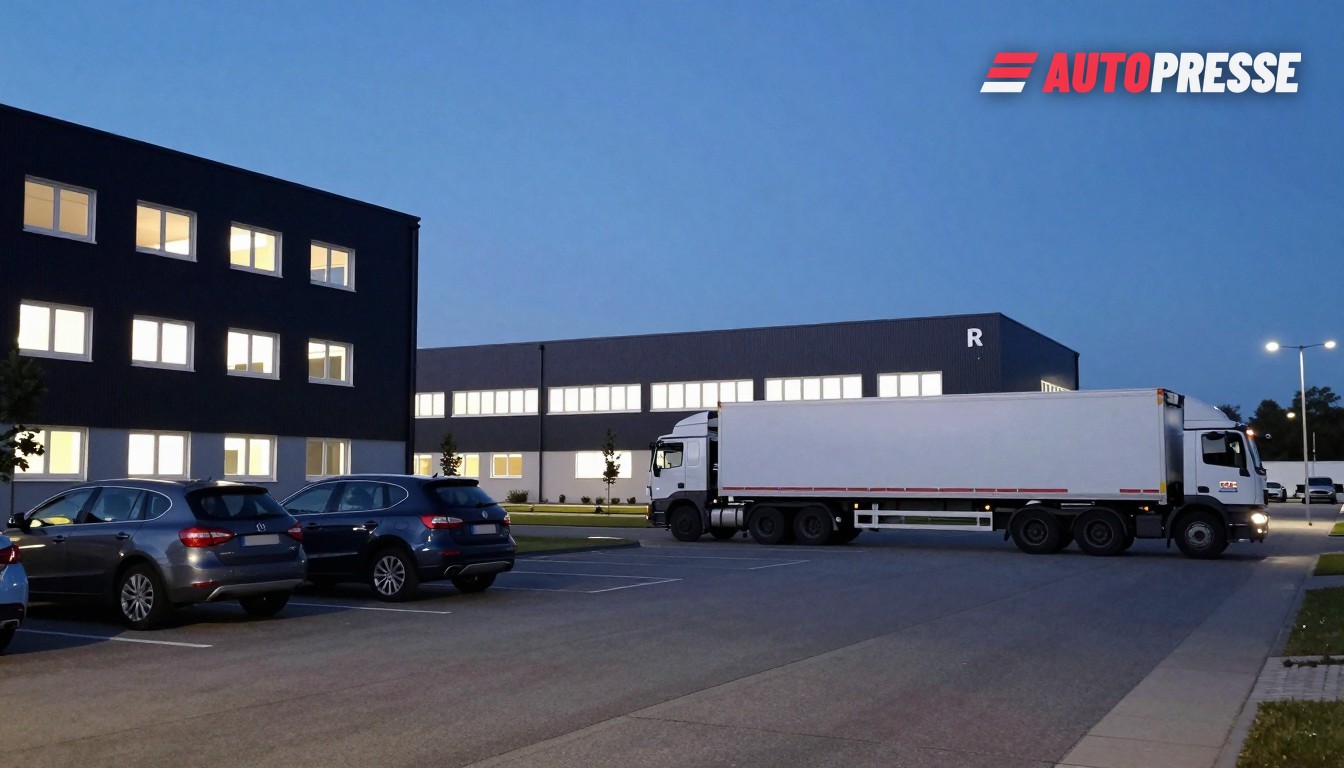
Germany’s supplier landscape hit fresh turbulence this week when reports said Bosch will cut 750 positions at its Abstatt development site by the end of 2029 — a move the company confirmed to the press on 5 November 2026. Management framed the step as an adjustment to rising competition and a relocation of some system development closer to Chinese customers; Bosch said Abstatt will remain a development site.
Unions, protests and a tense industry mood
The announcement comes against a backdrop of sustained worker mobilisation: IG Metall-led actions earlier in 2026 mobilised tens of thousands of auto‑sector employees to protest planned cuts and demand stronger industrial policy to protect German sites. The union has repeatedly called for investment guarantees and social‑compensatory measures as employers restructure.
At Abstatt, company statements quoted regional finance executive Mohammed Abraham saying “customer‑facing tasks will therefore no longer be performed in Abstatt” and that structures must be adjusted to secure the site’s long‑term future — comments published alongside Handelsblatt reporting on 5 November 2026. Bosch told media the reductions will be handled "in a socially responsible manner."
Austria’s diplomatic swing and supply‑chain chase
Across the border, Vienna has been pursuing a different tactic: high‑level outreach to China while Austrian media on 4 November 2026 reported that Magna’s Graz plant is in talks with Chinese automakers and could take large contract assembly orders — reports that say the deals might yield as many as 1,000 jobs in Graz if confirmed. Magna has declined to publicly confirm the rumours. Austria’s government delegation in China has explicitly flagged keeping value‑creation and jobs at home while exploring export opportunities.
The contrast is political as well as economic: Vienna’s ministers are visibly courting Chinese industrial partnerships, arguing this will bring work to Austrian clusters; in Germany, firms and unions argue for stronger domestic protection, investment incentives and industrial policy to blunt competitive pressure.
What this means for the market
The near‑term consequence is a bifurcated picture for Central Europe’s auto base. German suppliers face continued consolidation and workforce shrinkage as OEMs and tier‑one firms reprioritise spending and chase cost advantages; announced measures such as the Abstatt reductions add momentum to restructuring plans already flagged across 2026. At the same time, Austrian sites that combine contract assembly, flexible lines and political backing can rapidly become hubs for EU‑based production of Chinese‑branded models — but only if contracts materialise and pass regulatory and security reviews. Both outcomes increase short‑term volatility for dealers, local suppliers and regional labour markets.
For buyers and fleets the immediate effect is indirect: supplier cutbacks raise the risk of localized disruptions and longer lead times for parts and service; for employees and works councils the clearest demand is for faster, concrete industrial policy — investment guarantees, support for retooling and retraining — to avoid hollowing out technical capability inside Germany. IG Metall and works councils will push for those protections in upcoming negotiations.
For Austria the risk is political and regulatory: large foreign contracts bring growth but also scrutiny. Government messaging in Beijing stresses job protection, but media reports remain unconfirmed and companies (Magna) are cautious. Any acceleration of Chinese contract manufacturing in Graz or neighbouring sites will prompt both Brussels and Berlin to examine security and industrial‑policy implications.
WorldTrader24 B2B vehicle marketplace for dealers →
Sources: Anadolu Agency, ORF Steiermark, Der Standard, The Local, IG Metall