Germany’s auto sector recorded a sharp month-on-month improvement in business sentiment in October, yet the mood is fragile: sweeping restructuring at Volkswagen, warnings from Mercedes and fresh cost cuts among suppliers are already reverberating across Austria’s dealer and supplier network. That matters for drivers, dealership employees and thousands of engineering and factory jobs from Wolfsburg to Graz.
German pressure: cautious optimism, hard choices
The ifo Institute reported the automotive business‑climate index rose to −4.1 points in October from −33.2 in September, with companies saying their current situation and near‑term outlook had improved — a relief after months of pessimism, but one that the institute called a likely short respite amid “very high” uncertainty.
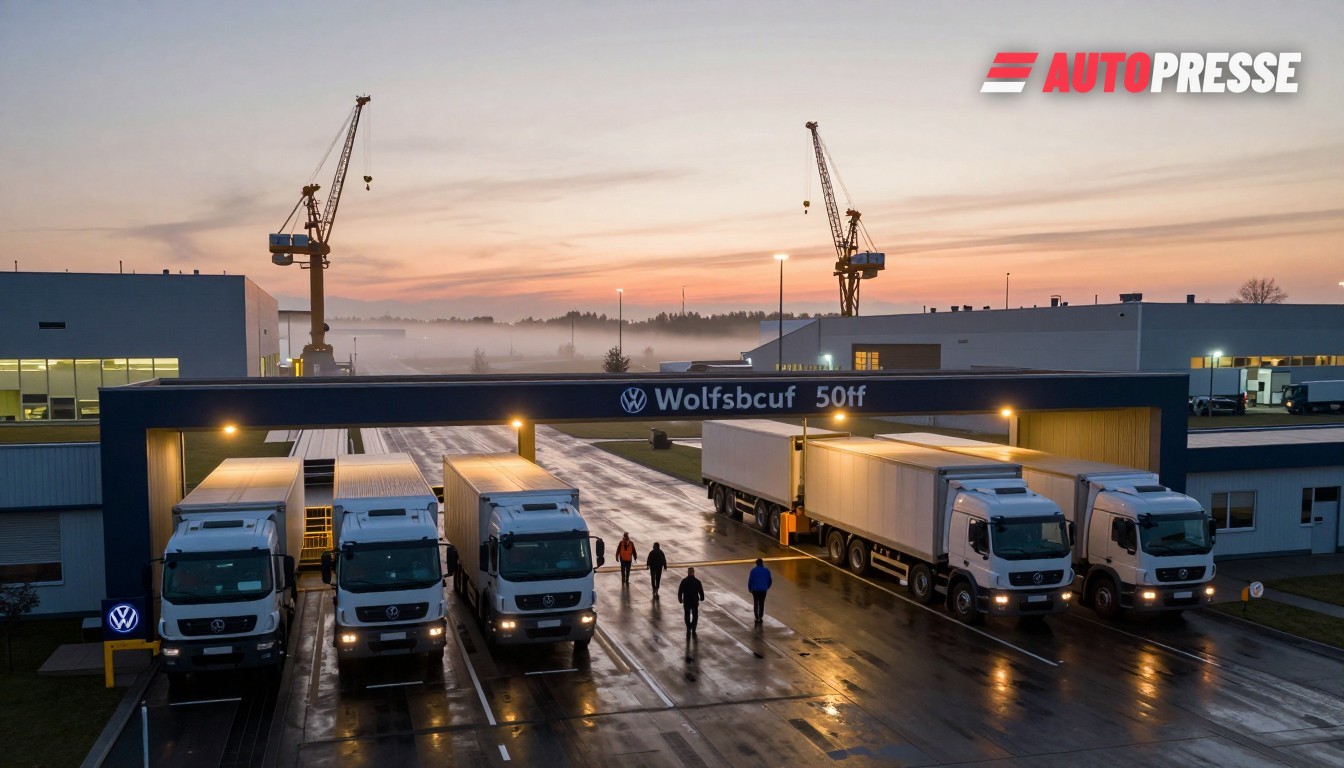
Behind the fragile uptick lie concrete cost‑cutting moves. Volkswagen’s current overhaul keeps roughly 50,000 additional role reductions on the table and calls for a European production reallocation that could remove more than 500,000 vehicles of capacity; some German plants have been named among those at risk in internal planning scenarios. The plan is intended to shore up margins and refocus the group’s footprint, but it heightens the exposure of supplier and retailer networks across Austria and southern Germany.
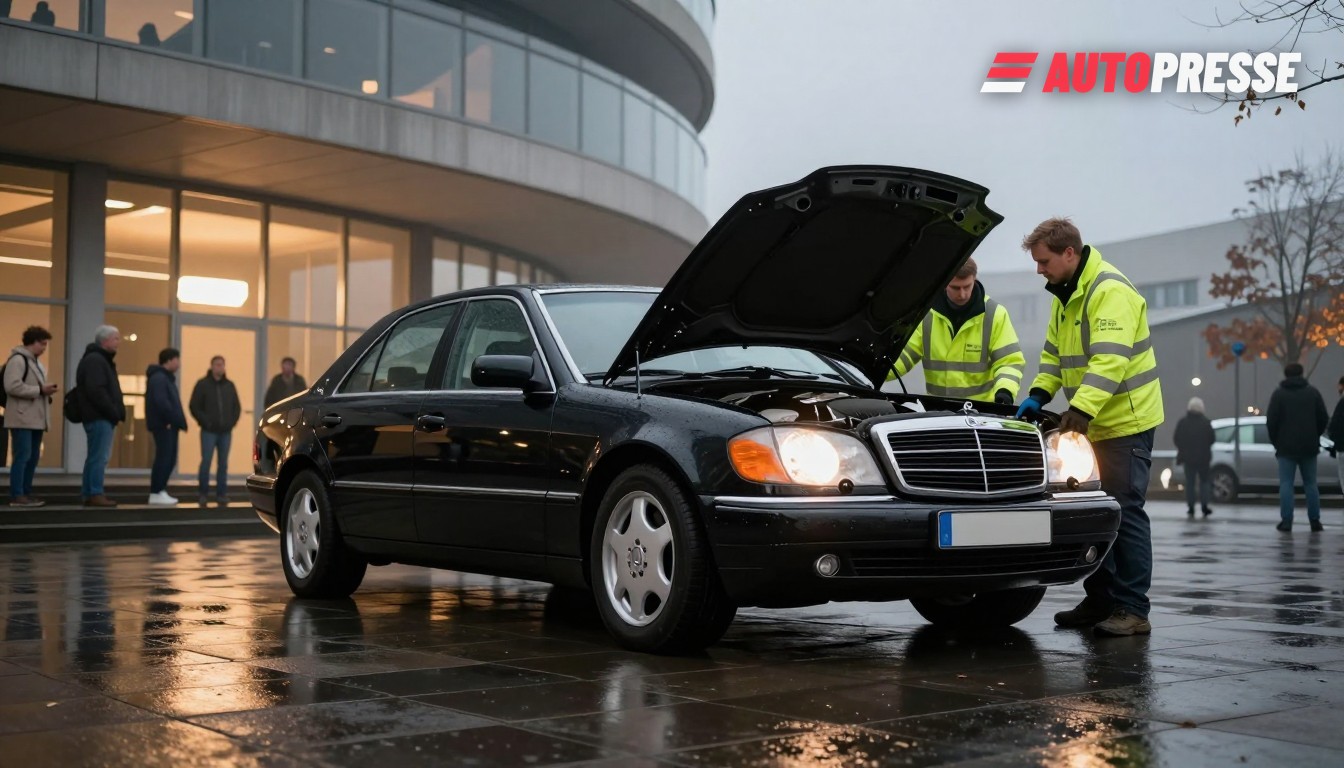
Mercedes-Benz has also signalled the pain of higher local costs: company management warned that, without faster productivity improvements, the group could be forced to close one German assembly plant and one powertrain plant, comments that prompted a strong union response and underline how employment and site security remain political as well as commercial issues.
Austria: suppliers, distributors and training in the eye of the storm
Austrian engineering and supplier firms are already adjusting. AVL List in Graz has announced internal restructuring that includes around 180 job reductions in 2026, following earlier waves of cuts; the company said the moves respond to weaker demand and delayed customer investment decisions. Those reductions, part of nearly 1,000 role changes across recent years at the group’s Austrian sites, show how engineering houses face downcycles after strong earlier expansion.
At the same time Miba, the Upper‑Austria technology group, announced a major acquisition — the RENK Group’s plain‑bearing business with five plants and about 500 employees — and has expanded vocational investment at home, opening a new training centre (Base27) to upskill apprentices and retain local capability. That combination of buy‑and‑build moves and intensified training is indicative of an Austrian strategy to capture higher‑value supplier work while managing short‑term labour shocks.
What this means for the market
For buyers: model ranges and delivery choices could narrow as OEMs prioritise profitable lines and cut lower‑volume production. For dealers and distributors: exposure to group restructuring matters — Salzburg‑based Porsche Holding has already briefed staff on likely spillovers from VW’s group measures, underscoring how Austrian retail networks watch Wolfsburg closely.
For employees and suppliers: expect a two‑track response — immediate cost adjustments (workforce reductions, administration cuts) and medium‑term efforts to win higher‑value manufacturing through acquisitions and training. Austria’s Miba example shows the latter path in action; AVL’s cuts show the former.
Policymakers and unions will remain central players: improved sentiment gives governments a breathing space to press for “Made in Europe” incentives and reskilling funds, but company warnings about plant economics keep political pressure high in Germany and Austria alike.
B2B vehicle market on WorldTrader24 →
Sources: ifo Institute, Reuters (via Euronext explainer), Reuters reporting on Mercedes, Eurofound/AVL factsheet, Miba pressroom.