BMW’s surprise guidance cut on 3 November — lowering its 2026 automotive EBIT margin to a corridor of -0.5% to +0.5% — has suddenly sharpened industry risk in Germany and Austria. The Munich group said the revision reflects one‑off costs from accelerated restructuring and portfolio moves as it speeds the roll‑out of its Neue Klasse electric models; CEO Milan Nedeljković framed the decisions as a necessity to act "decisively and swiftly."
How the warning landed
The immediate numbers matter: BMW confirmed its third‑quarter pretax profit was €2.1 billion and said automotive operating margin in Q3 narrowed to 3.4%. Management now expects a moderate decline in deliveries for 2026 while keeping automotive free cash flow above €2.5 billion — but the widened restructuring charge pushes the car division’s full‑year margin to a band that can include a small loss. Markets and suppliers reacted quickly to the news.
BWM’s restructuring plan includes workforce and organisational moves the company says will be implemented faster than before; its earlier programme targets some 8,000 job reductions largely in office and management functions. That combination — faster Neue Klasse ramp‑up plus accelerated staff reductions — creates short‑term cost and demand distortions for tier‑1 suppliers across Bavaria and neighbouring Austria.
Austria in the cross‑hairs: Steyr and the supply chain
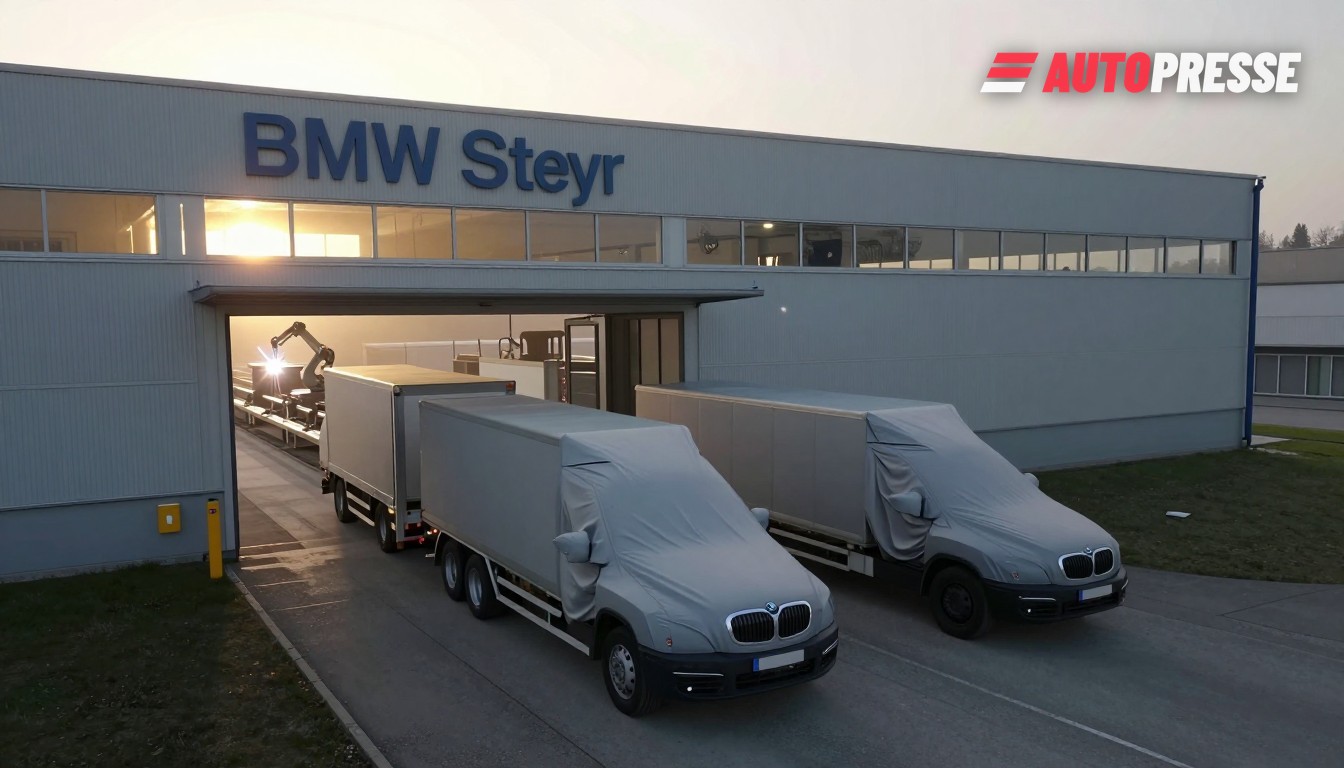
Austria’s exposure is concrete. The BMW Group’s production network includes an engine plant in Steyr (Upper Austria) — historically the company’s largest engine facility — and Austria hosts partner plants and suppliers integrated into BMW’s European sourcing. The BMW Group Report 2024 describes Steyr as the Group’s engine production centre (part of the network that supplies engines to many BMW models), underlining how changes in BMW’s product mix and cadence feed directly into Austrian operations and local supplier orders.
In practice that means two immediate channels of pressure for Austria: (1) short‑term cash and order volatility for local suppliers who make combustion‑engine and drive‑train components, and (2) labour and planning stress at logistics and partner sites that must adapt to faster Neue Klasse production and early phase‑outs of some Gen‑5 models. BMW’s public guidance says the margin hit stems from taking one‑off costs now in order to retire older vehicle and battery generations sooner — a move that speeds future efficiency but amplifies near‑term disruption.
What this means for the market
Drivers and buyers: expect uneven dealer availability for soon‑retired Gen‑5 models and a continued push by BMW to prioritise Neue Klasse EVs in allocation and marketing. Dealers may see parts and warranty work mix change as older lines are phased out faster.
Dealers and suppliers: plan for tighter short‑term margins and order calendar shifts. Suppliers in Austria that still rely on ICE or Gen‑5 volumes should open immediate contingency talks with BMW and diversify order books toward electrified components or other OEMs. The BMW Group’s 2024 report shows the company already routes much component production close to vehicle plants — a structural advantage that also concentrates the pain when product and schedule changes accelerate.
Workers and unions: the announced acceleration of management and office cuts — part of the expanded restructuring — means unions and works councils in Germany and Austria should expect faster negotiations and more urgent local impact assessments. BMW’s public statements link the moves to weak China demand and a strategic shift to the Neue Klasse; the timing and scale of local measures remain the critical variables to watch.
WorldTrader24 B2B vehicle marketplace for dealers and businesses →
Sources: Reuters, BMW Group Report 2024