The fight over the future of Mann+Hummel’s historic Speyer filter plant has escalated into a full labour dispute that matters to German and Austrian OEMs and suppliers: about 600 jobs are at stake, a previously announced closure timetable remains in place, and IG Metall has pushed the conflict into a political and industrial arena that could affect local supply chains and regional employment.
What happened
Mann+Hummel informed the city and workforce in mid‑April that it intends to close the Speyer site "by no later than the end of 2028" and to transfer production elsewhere; the city of Speyer recorded the company’s notification on 16–17 April 2026 and warned the shutdown would affect roughly 600 employees.
Negotiations over an interest‑settlement (Interessenausgleich) and a social plan (Sozialplan) have since failed on the company level. Mann+Hummel has announced it will call in a conciliation board (Einigungsstelle) to resolve remaining issues after talks broke down in September, and the employer is maintaining the timetable to wind down the plant through 2028. Local press and ad‑hoc reporting published the company’s step to involve the Einigungsstelle on 29 October 2026.
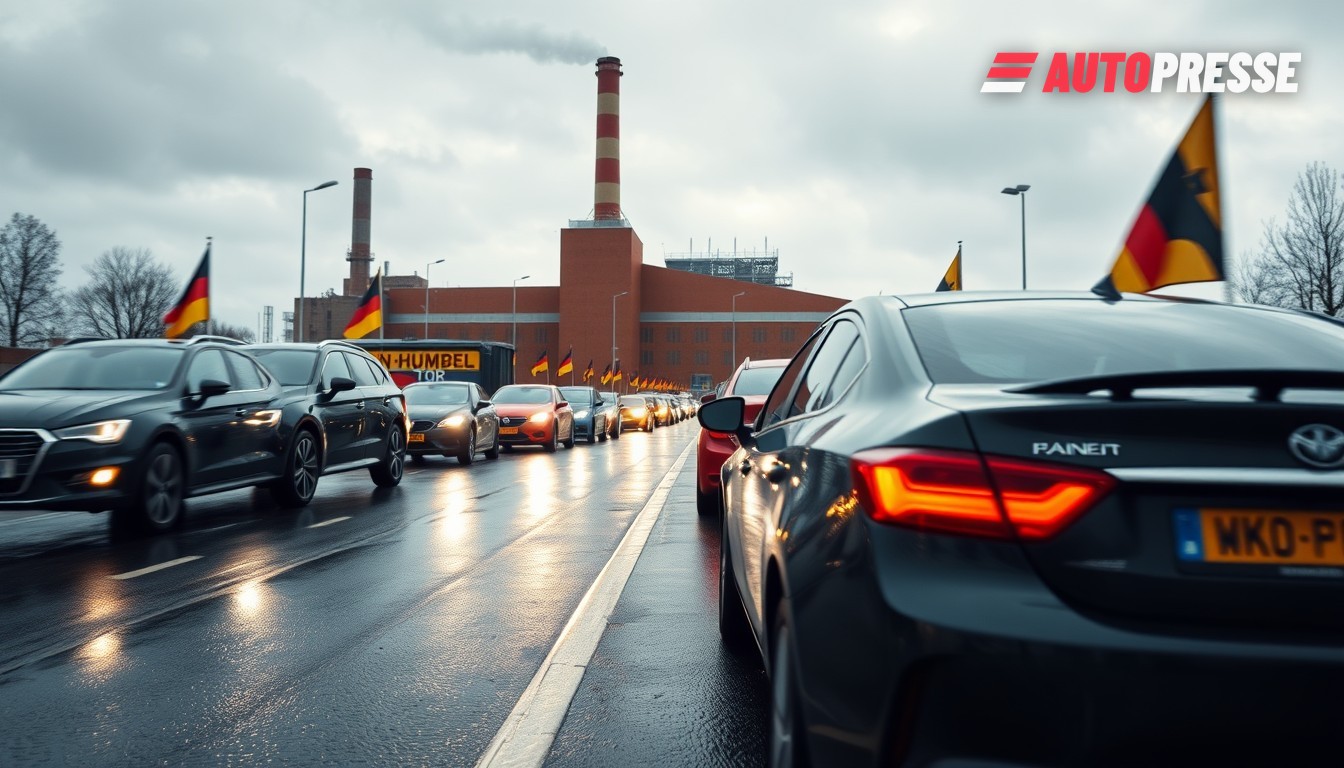
IG Metall’s local organisation has intensified pressure: the union convened an extraordinary membership meeting on 8 October, organised demonstrations and on‑site actions in early October and says it will submit the question of strike action to a member ballot if management does not change course. IG Metall’s Ludwigshafen‑Frankenthal office reported around 250 Mann+Hummel participants and neighbouring plant solidarity in early October and urged the employer to return to meaningful talks.
Why it matters
The Speyer site supplies filters and related components used across machinery and automotive OEMs; losing a 600‑person plant in Germany shifts production capacity and skilled jobs to other sites or countries, and complicates regional supplier networks. The city and local politicians have publicly called for solutions to preserve industrial activity and jobs. For suppliers and tier‑1s in Germany and neighbouring Austria, the dispute is a reminder that consolidation and reshoring decisions at component makers can have knock‑on effects on just‑in‑time logistics, supplier capacity planning and local labour markets.