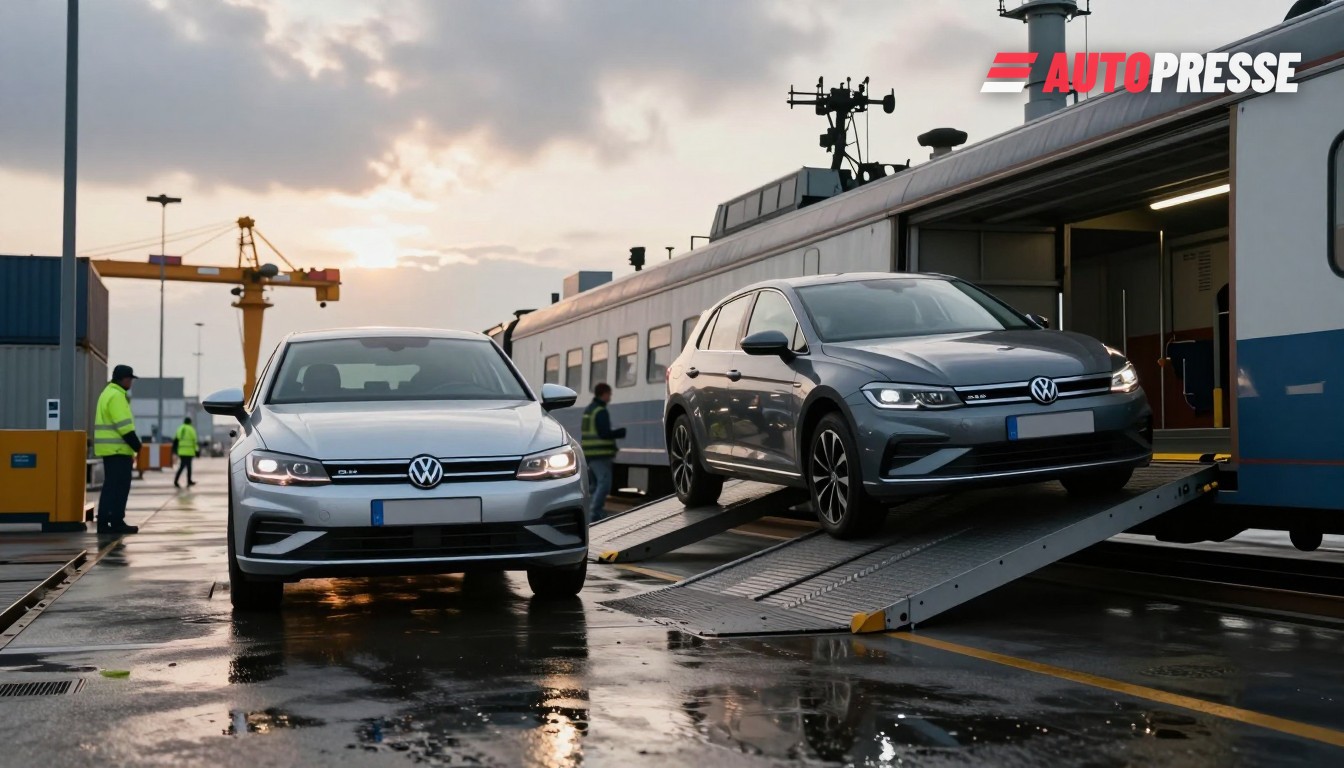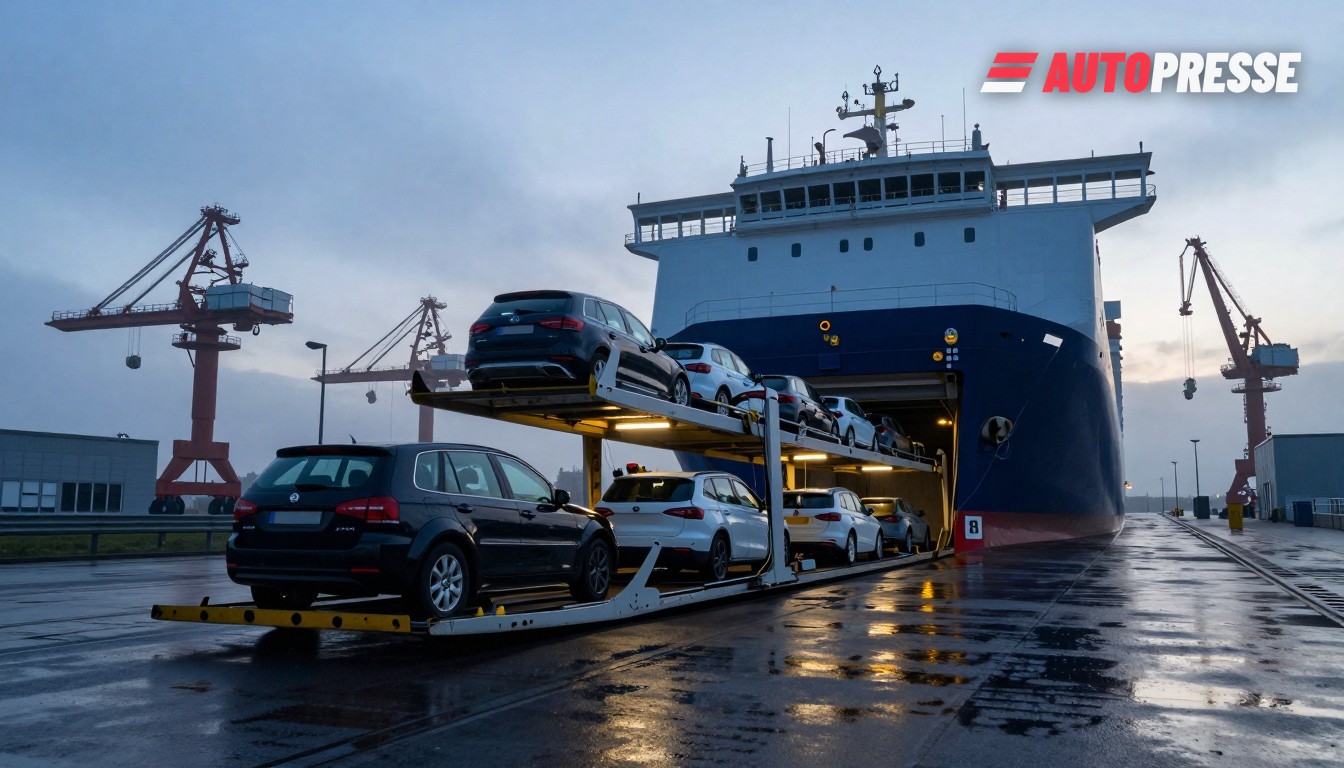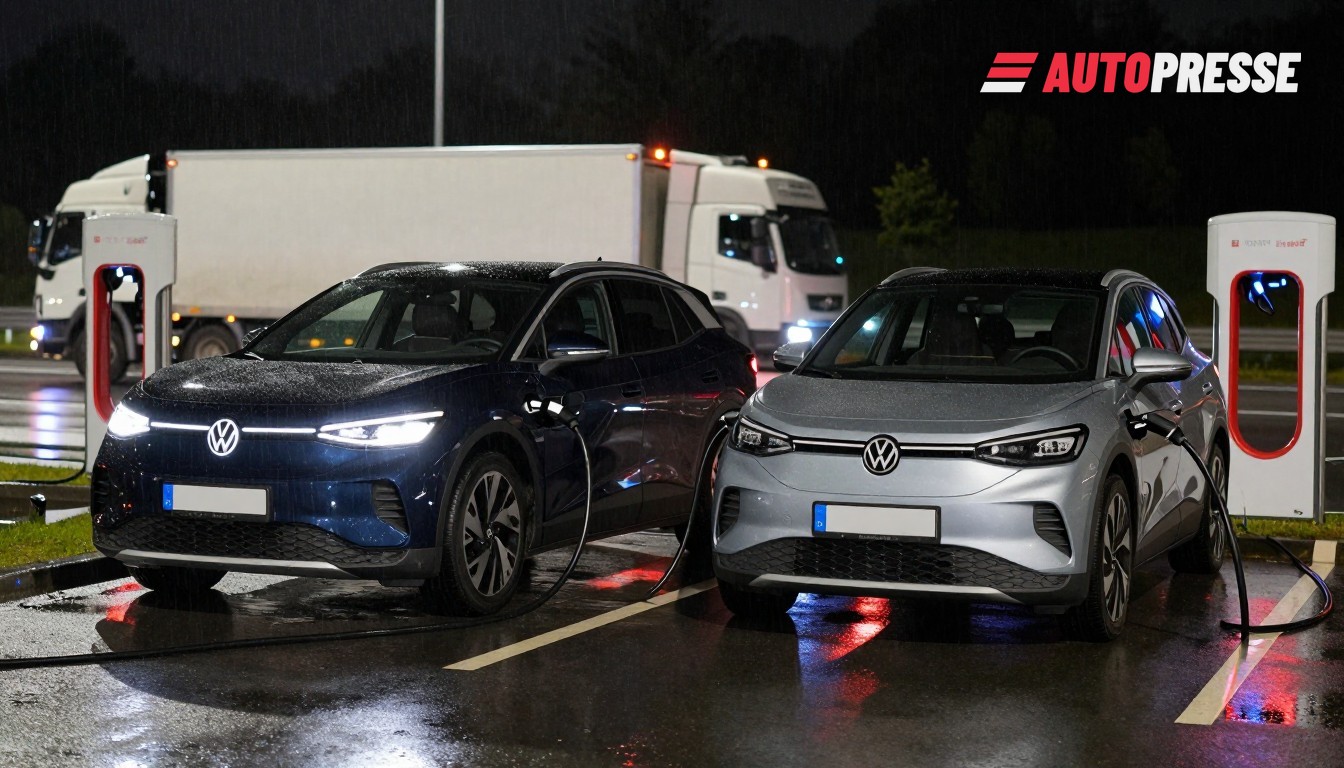
October’s registration data sharpen a divergence across the German‑Austrian market that matters to drivers, dealers and factory floors. In Germany battery‑electric vehicles (BEV) reached a 37.0% share of monthly new‑car registrations in October 2026, even as domestic car production continues to fall. In Austria BEVs not only grew rapidly year‑to‑date but — in October — outnumbered new petrol and diesel cars combined. These trends are already rewriting showroom mixes and workshop planning.
Germany: private buyers push BEV share to a record
Germany registered 254,492 new passenger cars in October 2026. Pure battery EVs accounted for 94,086 of those, a 37.0% share of the monthly market; private buyers rose sharply and now make up 40.7% of new registrations, a gain of 20.6% year‑on‑year for private registrations. At the same time the country’s car production fell: 326,300 cars were produced in October, down 7% versus the prior year. The VDA cites KBA source tables for these figures.
The picture for the year to October is that registrations are up while output is below last year: January–October 2026 saw 2.476 million new car registrations (+5% year‑on‑year) but domestic production for the same period was 3.37 million units (−4%). That gap underlines how consumption patterns (private BEV demand, imports) are decoupling from German factory volumes.
Austria: electric cars overtake combustion in October
In Austria new‑car registrations rose 10.7% in January–October 2026 to 265,282 passenger cars. Alternative drives accounted for 67.6% of registrations in that period; fully electric cars rose 39.5% year‑on‑year to 71,606 units (27.0% share January–October). In October 2026 alone Austria recorded 8,434 BEV registrations — 2,494 more than petrol and diesel combined — meaning BEVs outpaced conventional powertrains in that month. Statistik Austria flagged the October surge and the growing share of hybrids and BEVs.
Brand shifts are visible: Austria’s top makes remain VW, Škoda, BMW and Audi, but Chinese marques such as BYD are growing rapidly inside the top ten — BYD recorded strong double‑digit gains in the first ten months. That mix affects dealer stocking, warranty workload and used‑car flows across borders.
What this means for the market
1) Dealers and workshops: rising private BEV demand in Germany and Austria means dealers must rewire sales incentives, invest in charging demonstrators and retrain technicians for high‑voltage diagnostics and battery service. The Oct. 2026 numbers show private buyers — not just fleets — are driving the switch, so retail sales skills matter as much as fleet contracts.
2) OEMs and production: manufacturers face a two‑speed reality — booming BEV demand in the market while German output remains below 2019 levels. That keeps pressure on supply chains and forces more imports to meet buyer demand, compressing margins and logistics plans.
3) Policy and infrastructure: Austria’s October crossover (EVs > petrol+diesel) highlights how quickly charging and grid planning must accelerate regionally — especially at motorway hubs and urban multi‑storey car parks — to avoid bottlenecks as private BEV ownership rises.
4) Used market and cross‑border flows: with new BEV volumes growing, the used market will see earlier and larger BEV supply waves; cross‑border demand, tax rules and registration incentives will decide where those cars land and what prices they achieve.
October 2026 has clarified that Europe’s largest national markets are changing at different speeds: Germany shows record BEV shares driven by private buyers even as factories retrench; Austria’s rapid EV adoption is already flipping month‑by‑month supply patterns. Dealers, suppliers and regional planners must respond now.
VW electric vehicles on WorldTrader24 →
Sources: Kraftfahrt‑Bundesamt (via VDA), Verband der Automobilindustrie (VDA), Statistik Austria, ADAC