German lawmakers and the federal government are pushing a change that would make the Federal motorway company (the Autobahn GmbH of the Federal Government) able to borrow on capital markets and to receive parts of the Lkw‑Maut (truck toll). That shift — introduced to the Bundestag on 2 November 2026 and debated in plenary on 6 November 2026 — is designed to free the company from the constraint of financing investment only through annual federal budget lines, and it matters for drivers, suppliers, contractors and charging‑network investors across Germany.
What lawmakers proposed and discussed
On 7 October 2026 the Federal Cabinet adopted a draft amendment (InfrGFinÄndG) to allow Die Autobahn GmbH des Bundes to take loans and issue bonds; the bill was formally introduced to parliament on 2 November 2026. The Bundestag debated the reform on 6 November 2026, where MPs discussed both the need for predictable, multi‑year financing and concerns over removing parliamentary controls on investment decisions.
The government paper accompanying the proposal makes clear that the Autobahn company would also be made the legal recipient of the infrastructure component of the Lkw‑Maut (truck toll) for federal trunk roads currently in federal administration — a step intended to create a dedicated revenue stream to service any debt and to fund road upkeep and upgrades. The Bundestag record and parliamentary briefings set out these points in early November 2026.
What this means for the market
If passed, the measures would change how long‑term investment in the Autobahn network is planned and delivered. The Federal Ministry of Transport has framed the reform as a way to create "a new, reliable financing basis" for the Autobahn GmbH and to accelerate projects such as bridge rehabilitation, lane renewals and rollout of fast‑charging corridors operated as part of the Deutschlandnetz. The ministry bulletin and cabinet documents published in early November 2026 underline the aim of shifting away from year‑to‑year budget dependency.
For suppliers and construction firms, predictable multi‑year funding and the option for the Autobahn company to issue bonds could smooth procurement cycles and support larger contracts — but parliamentarians warned during the debate that borrowing costs and governance must be controlled in law. During the plenary discussion MPs even used a hypothetical 4% interest cost to illustrate financing risks and the need for clear parliamentary oversight.
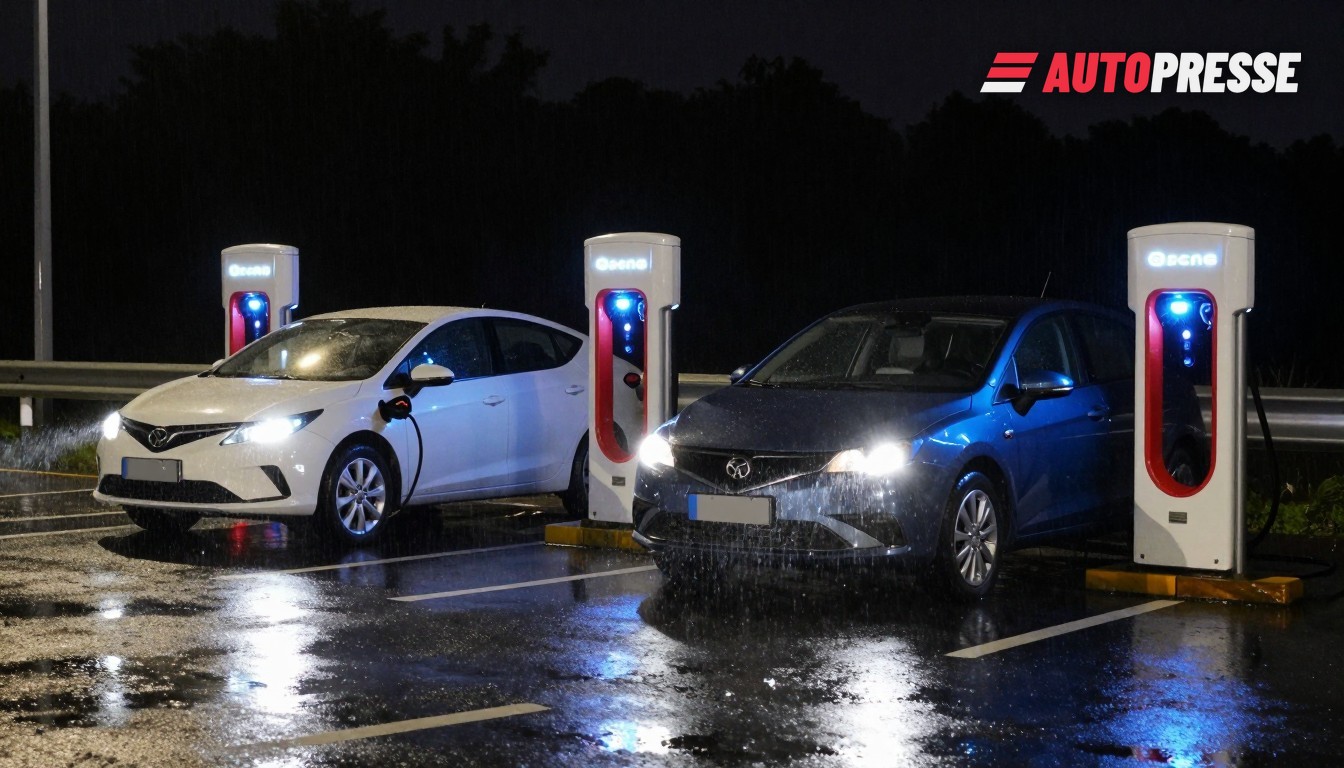
Drivers and fleet operators may notice faster delivery of maintenance works and expansion of high‑power charging along federal motorways if the new financing model goes ahead. The Autobahn GmbH’s own communications point to winter‑service preparations and continued rollout of Schnellladeparks (fast‑charging parks) on the Deutschlandnetz as operational priorities for the season ahead.
Legislative steps now move through the Bundestag and Bundesrat; if approved, the shift will be one of the biggest changes to Autobahn funding since the company took over nationwide operation on 1 January 2021. Markets — from bond investors to road‑works suppliers and charging operators — should watch the bill’s progress and its final wording on oversight, revenue allocation and permitted instruments.
Electric vehicle listings on WorldTrader24 →
Sources: Die Autobahn GmbH des Bundes, Deutscher Bundestag, Tagesschau, Bundesministerium für Verkehr (BMV)