A rule change in Vienna is quietly remapping the German‑Austrian car corridor. From 1 July 2026 Austria narrowed when the Normverbrauchsabgabe (NoVA) can be refunded on exported vehicles — and the result is fewer cars flowing out of Austria, heavier on‑the‑spot checks and an emerging squeeze on used‑car values that dealers and remarketers already feel on both sides of the border.
What changed — and what officials are doing
The key legal change: since 1 July 2026 NoVA reimbursement for a car exported from Austria is only available if the vehicle is deregistered abroad within 48 months (four years) of its first registration; beyond that the tax stays embedded in the vehicle’s domestic value. The government also published guidance allowing a pre‑registration, flat‑rate reduction of NoVA for EU/EWR temporary leasing arrangements from the same date.
Enforcement has followed. In a nationwide focus on suspected misuse of foreign plates the finance police and the Federal Tax Office carried out 921 checks and — in August 2026 reporting — prescribed a total of €976,571.92 in NoVA and vehicle‑tax claims; Finance Minister Markus Marterbauer warned that tax fraud will be pursued without pardon. Those controls included on‑the‑spot seizures and administrative referrals.
Market signals and dealer strategies
Remarketing specialists and data firms expect the rule to shift the used‑car supply balance. Analyses by Indicata highlight that restricting export refunds reduces the ability of Austrian sellers to send older cars to neighbouring markets — a change that is likely to increase domestic supply pressure, notably in the 4–8‑year age band, and to accelerate splits in residual values across segments. As Indicata’s Yoann Taitz puts it: “The 2026 NoVA reform introduces a structural shift in Austria’s used car market. By reducing export flexibility for older vehicles, it increases the likelihood of domestic oversupply and creates sustained pressure on residual values — particularly in price‑sensitive segments.”
Dealers and leasing companies are already adjusting: trade‑in offers in Austria are moving down for older ICE models, operators are recalculating export margins and some lease houses are reworking contract terms to reflect the reduced chance of later NoVA reimbursement. At the same time, BMF guidance leaves room for planned temporary cross‑border leasing reductions, so some fleet operators are shifting to shorter‑term export or leasing constructs where administratively possible.
What this means for the market
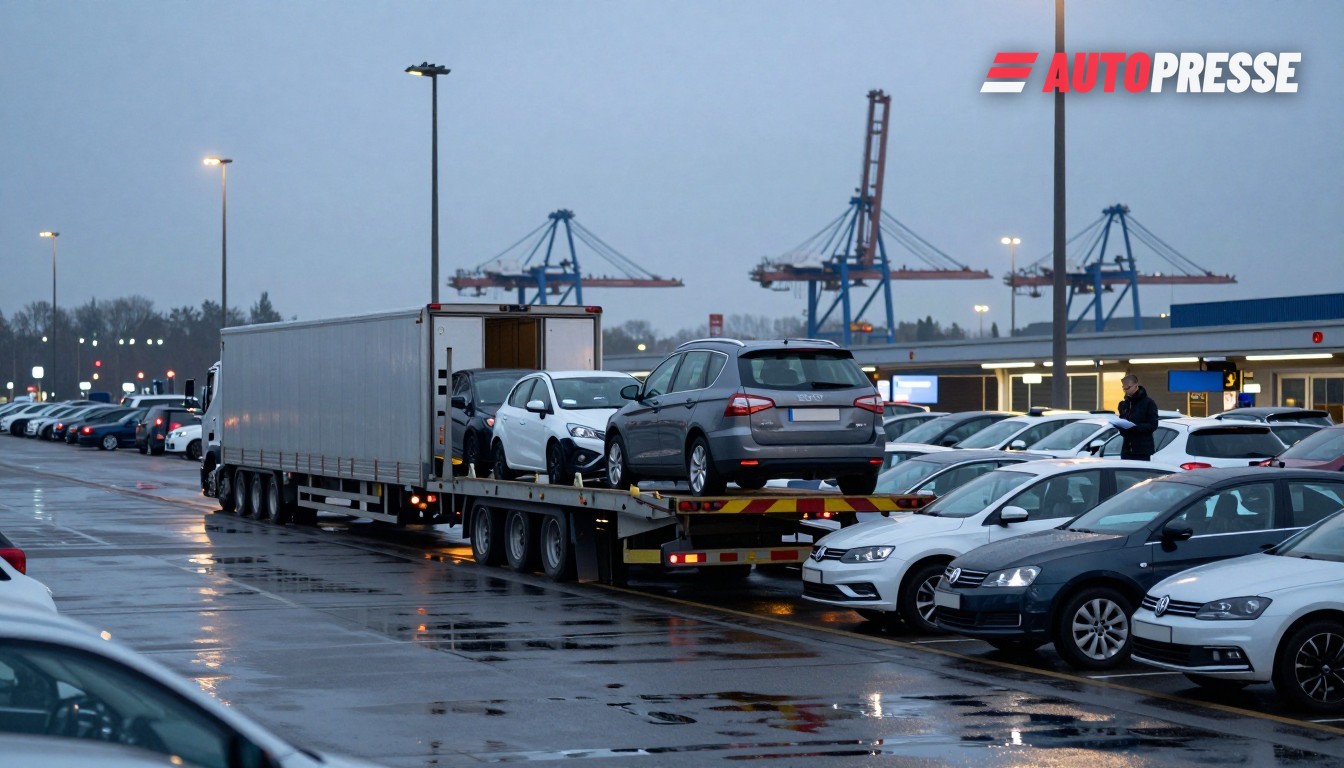
Practical consequences will play out along three lines. First, Austrian sellers of 4–8 year old cars will face tougher pricing dynamics because one exit valve — export refunds — is largely closed; that raises the chance of more aggressive domestic offers or longer stock ageing. Second, cross‑border arbitrage (private buyers and dealers buying in Germany, selling in Austria or vice versa) will become more complex and riskier: firms must now factor NoVA timing rules, administrative checks and stronger enforcement into margins. Third, remarketing and residual‑value models used by OEM captive finance companies and leasing houses must be recalibrated — a higher domestic supply of certain vintages pushes downward pressure on used values and makes lease residuals harder to predict. These effects are already visible in dealer pricing tools and market‑intelligence reports.
For German dealers and fleet buyers the change is subtler but real: a smaller and more price‑sensitive outflow from Austria means fewer near‑new and mid‑age imports available at previous price levels. Cross‑border trade that in prior years smoothed regional imbalances will now need tighter legal and tax checks before transactions proceed.
WorldTrader24 B2B vehicle marketplace for dealers and exporters →
Sources: Indicata, Austrian Federal Ministry of Finance, USP (Austrian public service)