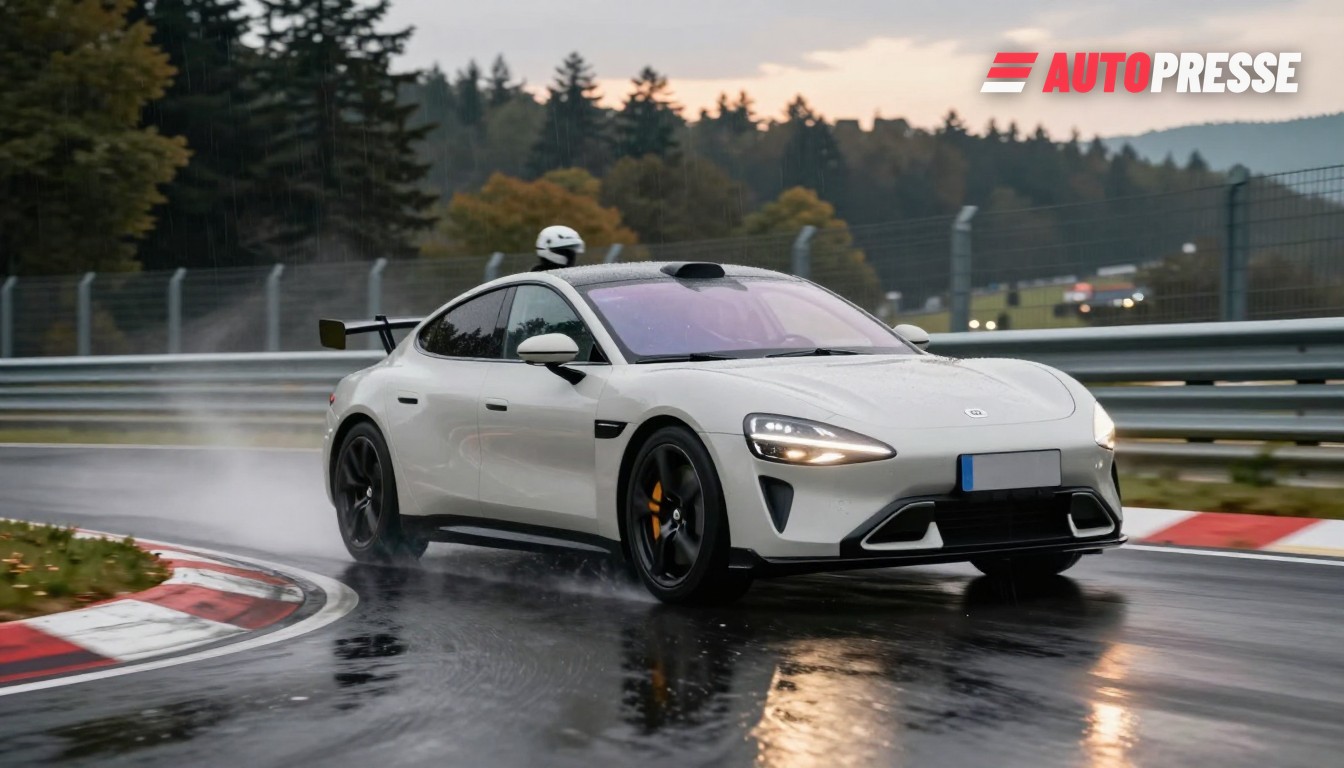
Two very different prototypes have been turning heads at Germany’s Nürburgring this autumn: a de‑disguised Xiaomi SU7 Ultra showing aggressive GT aero and a high‑performance Lexus RX prototype running with less camouflage than before. Their presence on the Nordschleife matters to drivers, dealers and homologation teams in Germany and Austria because track validation both shapes product stories and flags vehicles likely to arrive — officially or via importers — in our markets.
What engineers showed on the Ring
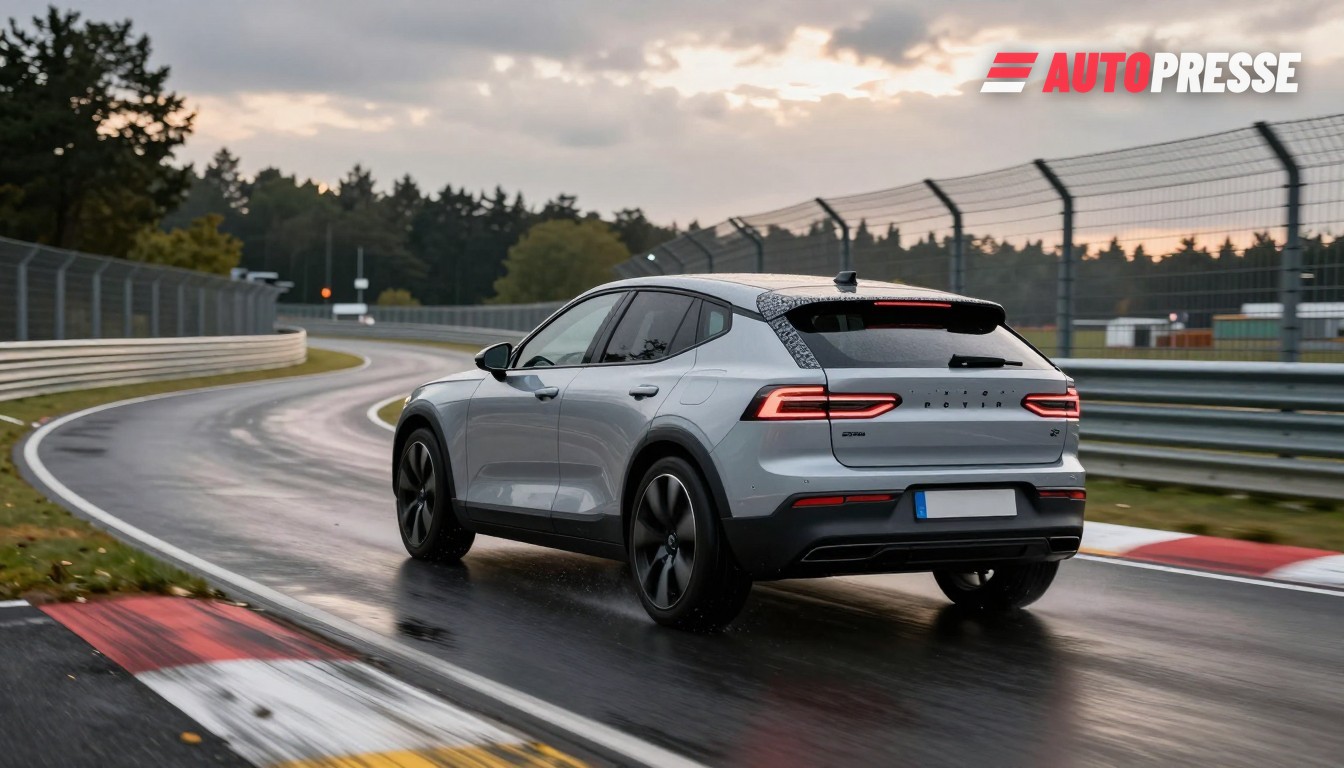
Photos and video captured in early November show an updated Xiaomi SU7 Ultra testing at the Nürburgring with a large GT‑style rear wing, revised front bumper, splitter and new fender vents — and in some shots the car runs almost without camouflage. Observers note the package is clearly designed to improve high‑speed aero and track braking performance. The recent sighting was reported on November 6, 2026.
Xiaomi has not treated the SU7 family as a one‑off: its investor presentation records prototype Nordschleife lap work and publicity around time runs — the company’s SU7 Ultra prototype paperwork and materials reference a Nürburgring lap time famously associated with the car. That documented history underlines why any fresh, de‑camouflaged SU7 at the Ring draws quick attention from European press and potential distributors.
At the same time a Lexus RX prototype described as a high‑performance variant — widely linked in the enthusiast press to a possible Morizo‑inspired project — has been photographed on the Nordschleife with Brembo brakes, sport tyres and reduced disguise. New images published in September 2026 show the RX active on laps rather than just parked, a sign the programme has moved into dynamic validation.
What this means for the market
First, Xiaomi’s Ring testing is both a technical exercise and a market signal. Xiaomi Auto has publicly said it plans a European launch in 2027 and named Germany as a focus for initial dealer partnerships; footage and spy photos of the SU7 family on German roads and at the Nürburgring sharpen the message that Xiaomi intends to be a performance‑capable EV brand, not only a mass‑market challenger. That matters for German and Austrian buyers because it frames expectations about model mix, dealer interest and after‑sales capabilities when the brand enters the region.
Second, the Lexus RX testing shows legacy luxury brands are still investing in high‑performance derivatives that will attract well‑heeled customers in both Germany and Austria. If Lexus moves a sportified RX into production, local Lexus importers and dealer networks will need to prepare for higher‑spec servicing, brake and tyre inventories and possibly different homologation steps for performance equipment.
Finally, track work on the Nordschleife remains a potent marketing tool in Germany and Austria — a lap time or a striking Ring photo can materially change how buyers perceive a newcomer. For dealers and fleet buyers the takeaways are practical: watch for formal homologation notices, local dealer appointments and official European spec sheets in the coming months (Xiaomi’s European roll‑out is scheduled for 2027 by company announcement), and expect Lexus to use Ring validation to underpin any high‑performance RX story.
Electric car listings on WorldTrader24 →
Sources: TechNode, Carscoops, Xiaomi Corp IR presentation, Lexus Enthusiast, Le Tech