From late November 2026 German drivers can finally carry a legally valid digital driving licence on their smartphone — a small change for users that has large consequences for enforcement, insurers and fleet managers across Germany and neighbouring Austria. The legal basis appeared in the Federal Law Gazette in May and the government says the national digital licence will be available by the end of November 2026, while Austria simultaneously has updated its road‑traffic rules to modernise inspections and embed strict data‑protection for new automated systems.
How Germany’s digital licence will work
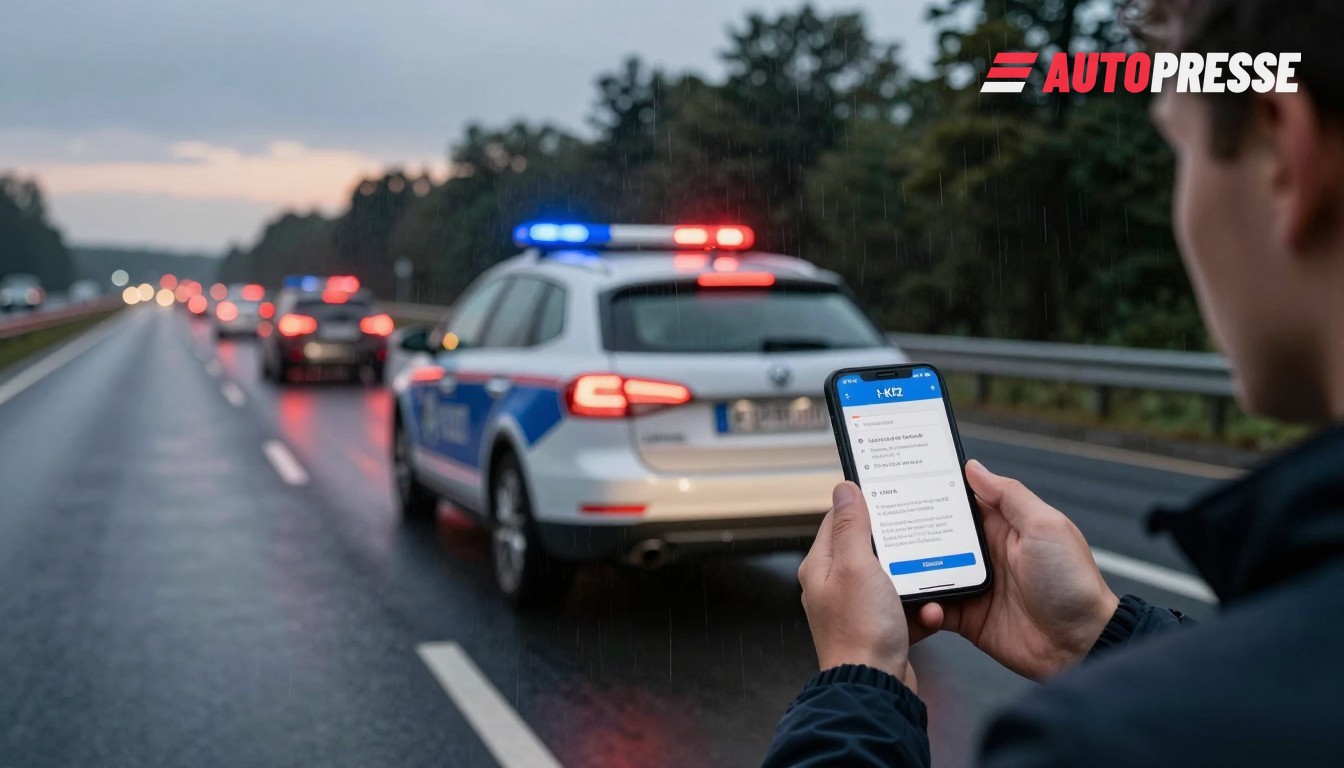
The Fifth Act amending the Road Traffic Act inserted a new legal provision for a “digitaler Führerschein”; the Bundesgesetzblatt text requires the Kraftfahrt‑Bundesamt to publish the technical standard for the digital licence and foresees integration with a European digital wallet. The federal government says the digital licence will be made available in the state i‑Kfz app and is planned for rollout at the end of November 2026. Police checks using the app will be valid in domestic controls, and the legal change follows the earlier digitalisation of the vehicle registration certificate into the same app in 2025.
Austria: modernised inspections and stronger data rules
Vienna has moved in parallel. A broad reform of Austria’s road‑traffic rules passed in 2026 modernises recurring vehicle inspection arrangements, clarifies insurance requirements and explicitly requires data‑protection safeguards — needs assessments, retention limits and mandatory data‑protection impact assessments — for systems that collect vehicle or sensor data. The Austrian transport ministry framed the package as a step to “modernise the system of recurring vehicle inspection and simultaneously reduce the time expenditure for drivers.”
What this means for the market
Drivers and fleets: German private drivers and company fleets must prepare operationally — insurers and fleet managers will need to accept the digital proof and adapt processes for roadside checks and cross‑border operations until a pan‑EU wallet arrives. Dealers and rental firms gain potential efficiency (digital hand‑overs via the i‑Kfz app), but must update check‑out and insurance verification routines that still rely on plastic documents. The government’s timetable (digital vehicle document first, then licence) compresses supplier and back‑office deadlines.
Regulators and insurers: Austria’s explicit data‑protection clauses force manufacturers, telematics providers and insurers to specify retention periods and carry out DPIAs before systems that record or transmit sensor data are widely used. That raises compliance costs but also reduces legal uncertainty about who may access non‑personal operational data versus personal data. Against the wider regulatory backdrop — including newly adopted international rules for driverless systems —both countries are aligning legal frameworks to allow digital, automated services while preserving consumer safeguards.
Practical caveats: the German digital licence is valid for domestic checks immediately after rollout but the EU‑wide interoperable version remains an implementation project for later years. Authorities advise citizens to keep the physical card available until the new procedure is universally familiar to police and first‑responders.
WorldTrader24 B2B vehicle marketplace for dealers →
Sources: Bundesgesetzblatt (Fünftes Gesetz zur Änderung des Straßenverkehrsgesetzes), Federal Government/BMV, BR24, Austrian Ministry for Climate Action (BMK/BMIMI), European Parliament Research Service