The European Commission’s proposed overhaul of periodic technical inspections (the “PTI” or HU rules) is moving toward final agreement and is already forcing changes in Germany and Austria that affect drivers, workshops and fleet operators. The Commission’s Roadworthiness Package aims to extend lifetime safety and emissions checks, add new test items such as ADAS and on‑board diagnostics checks, and widen roadside screening — a shift that member states must implement in national law.
Where Germany stands
Germany has notified amendments to its national HU guidance that focus on making defect assessment more uniform nation‑wide and correcting editorial inconsistencies in the HU rules used by TÜV and technical test centres. The TRIS notification (2026/0387/DE) describes changes to the national “HU‑Richtlinie” to bring it into line with the expected EU revisions and to improve quality and traceability of inspections.
Industry stakeholders and inspection bodies are already submitting positions to the federal record: the TÜV association filed comments in September 2026 and the ADAC has argued for carefully staged roll‑out of new items such as particle‑number measurement and more frequent checks for older vehicles. German technical associations expect trilogue negotiations to continue through late 2026 with national implementation work stretching into 2027.
Austria’s parallel moves
Vienna has taken two concrete steps this year. First, the federal government published a draft change to the Motor Vehicles Act that shifts the so‑called Pickerl (Austria’s §57a roadworthiness sticker) to a 4:2:2:2:1 schedule — meaning the first check is four years after initial registration, then two‑year intervals until annual checks after year ten. The draft, introduced on 13 May 2026, was framed as a cut in red tape and was proposed to come into force from 1 October 2026 (implementation depends on the review process). The government estimated average inspection costs at about €90, a saving of roughly €270 per vehicle over ten years under the new cadence.
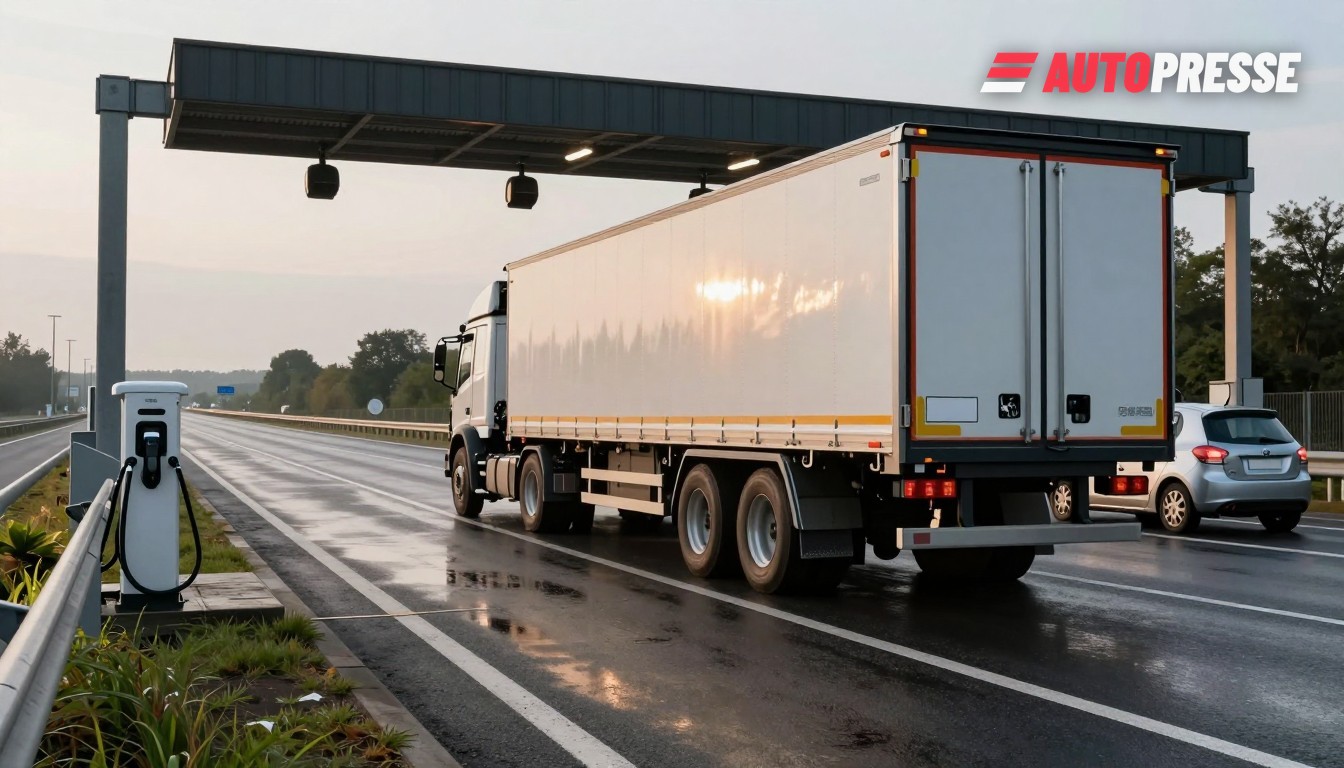
Second, Austria’s mobility ministry has amended the Federal Roads Act to make it easier to install public charging infrastructure on motorways, service areas and rest stops — a deliberate complement to the PTI changes because the Roadworthiness Package includes specific checks for electric powertrains and battery safety. The ministry highlighted that Austria already had over 38,000 public charging points and that ultra‑fast (>150 kW) locations had doubled to more than 4,000 by 2025.
What this means for the market
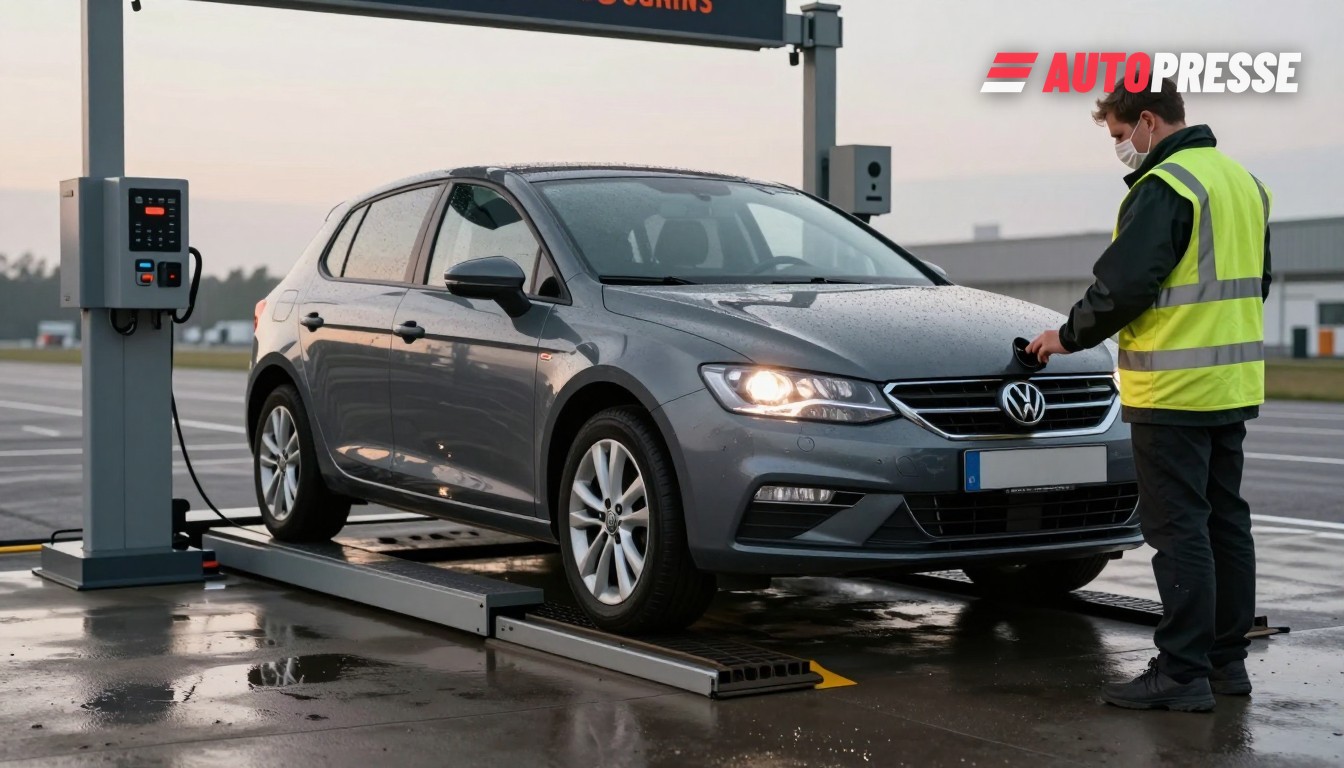
Workshops and technical inspection organisations will need investment in new test equipment and training. The EU proposal explicitly raises the possibility of extending particle‑number testing, adding ADAS function checks and using roadside remote sensing as a trigger for inspections — measures that require calibrated test benches and qualified staff. Manufacturers and importers will also face tighter lifetime‑compliance expectations for emissions and safety systems. The Commission’s proposal was published on 24 April 2025 and remains the legal basis for the reforms governments must transpose.
For drivers and fleets the short‑term impact is mixed: Austria’s longer Pickerl intervals reduce direct costs and garage visits for many motorists, while Germany’s push for harmonised defect assessment may raise re‑test rates as new failure definitions are applied. Fleets should budget now for upgraded inspection cycles and possible earlier investment in ADAS calibration and battery health diagnostics. Stakeholders expect political agreement in the EU trilogues by late 2026 or in early 2027, with national law changes and detailed HU guideline updates following thereafter.
WorldTrader24 electric cars listings and offers →
Sources: European Commission (COM(2025)180), TRIS notification 2026/0387/DE, Austrian Federal Ministry for Mobility (BMK), Kfz‑Gewerbe Hessen, Statistics Austria