Two recent, verifiable moves — BMW Group bringing series battery production online in Lower Bavaria and new rare‑earth magnet recycling capacity in Germany — are changing the work map for suppliers in Germany and Austria. For parts makers, metalworkers and electronics houses from Bavaria to Styria, the calendar dates and capacities now matter for contracts, hiring and plant investment.
Concrete moves: plants, dates and capacity
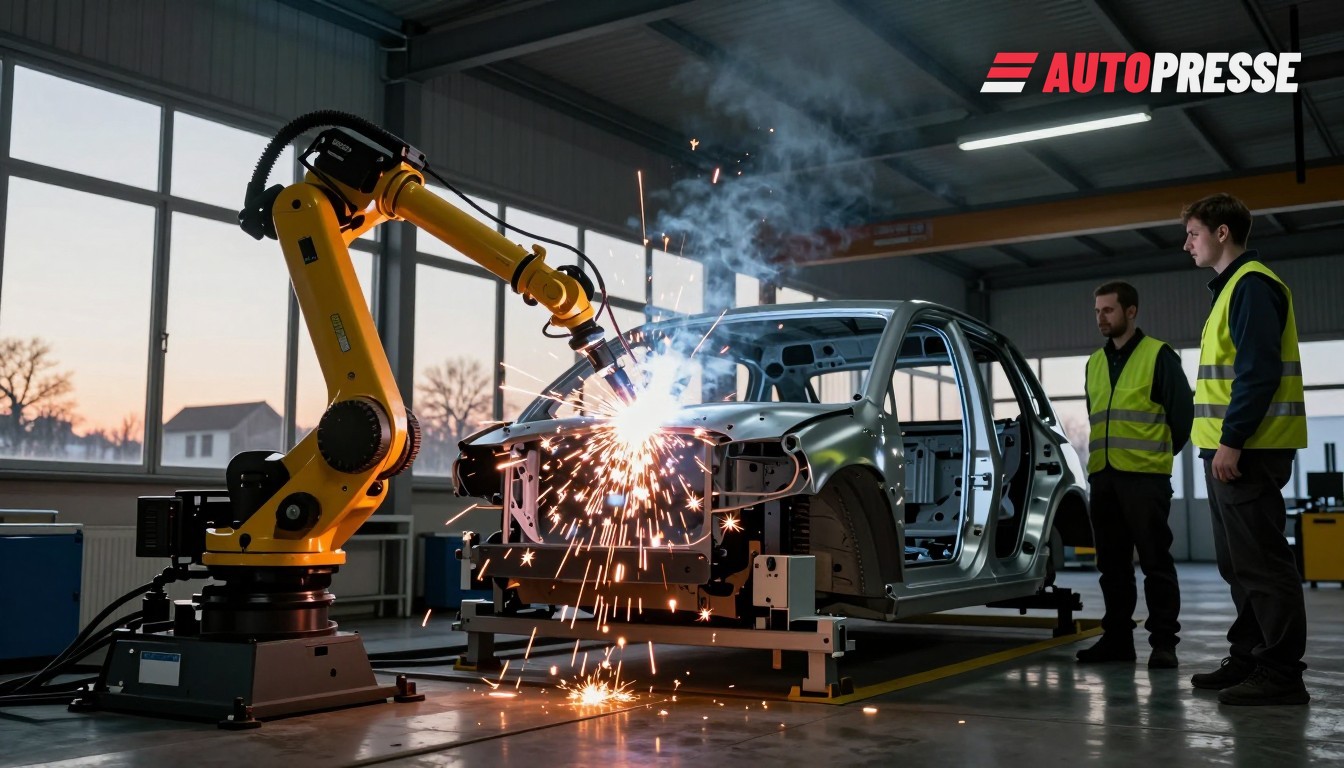
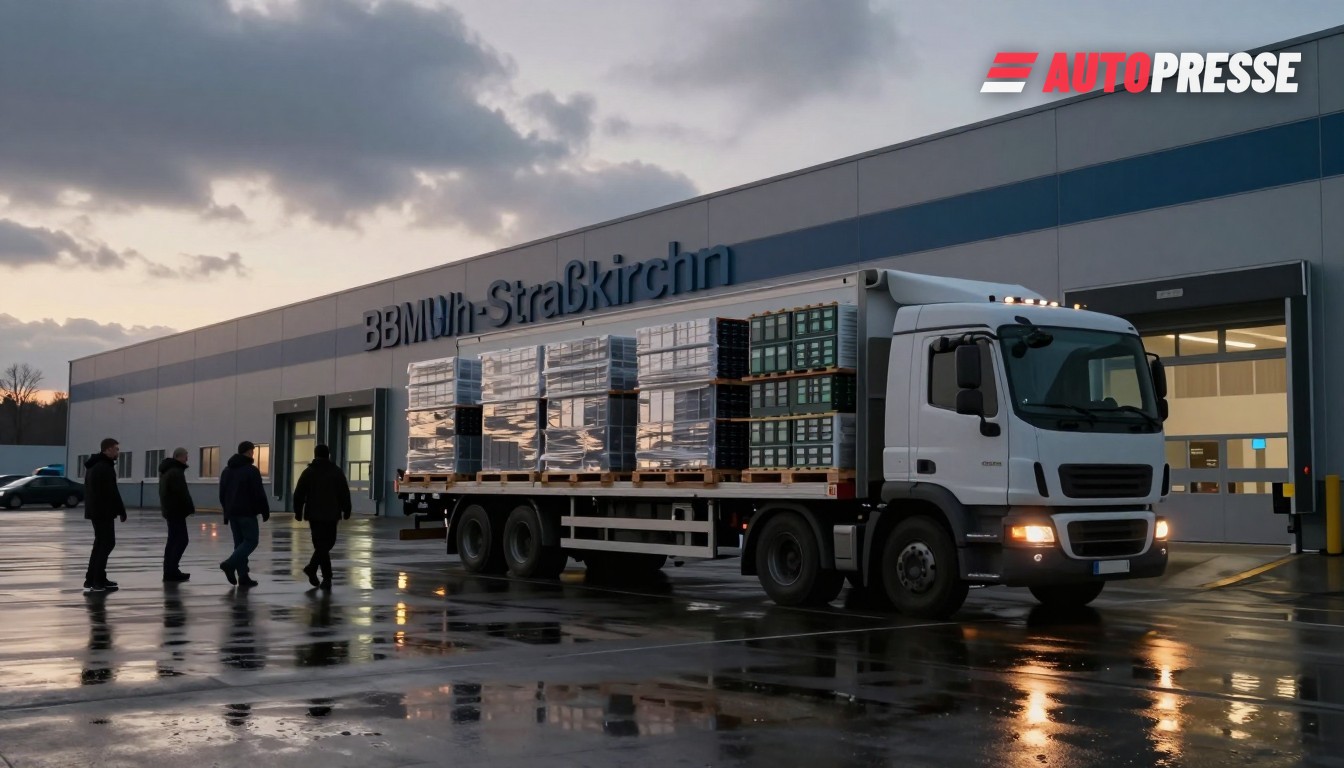
BMW Group put series production at its Plant Irlbach‑Straßkirchen into operation at the start of October 2026; the company states the new site will supply sixth‑generation high‑voltage batteries for the Neue Klasse and that the project involved an investment of around €1 billion and will create up to 1,600 jobs.
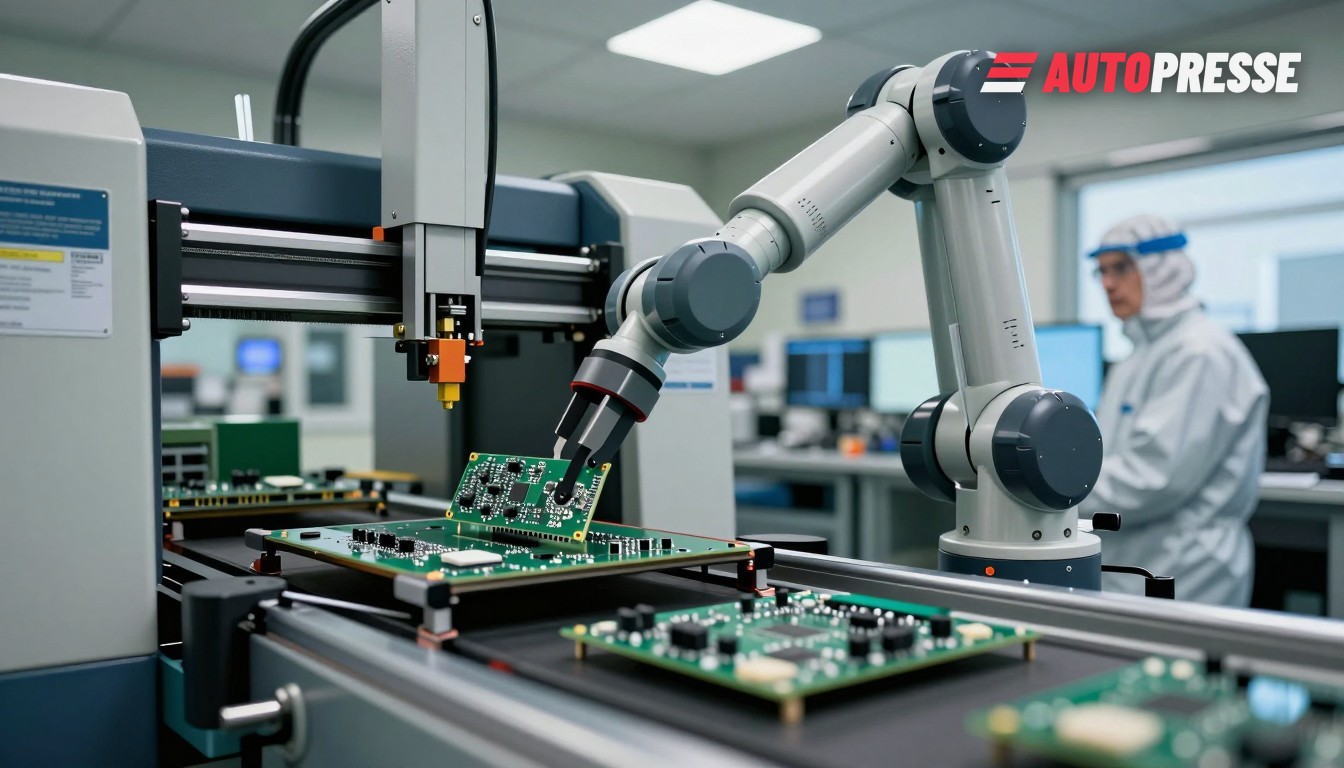
On the materials side, Germany has added short‑ and medium‑loop rare‑earth magnet recycling capacity this year. HyProMag’s commercial scale HPMS plant in Pforzheim reported first commissioning runs and was officially opened by the Federal Ministry of Economic Affairs on 28 April 2026; the site is permitted for production of up to about 750 tonnes per year of NdFeB magnet and alloy products.
In parallel, market filings and announcements show consolidation around magnet recycling: Mkango (through transactions and local subsidiaries) has integrated assets including a Bitterfeld plant that targets roughly 500 tpa of recycled NdFeB feedstock — a medium‑loop complement to the Pforzheim short‑loop approach. Those moves were announced in company filings and RNS statements in spring and early summer 2026.
Where Germany and Austria feel it first
BMW’s Lower Bavaria plant is explicitly a German‑site response to supplier proximity: the Irlbach facility will supply Munich (and other German vehicle plants) under BMW’s “local for local” principle, which directly raises near‑site demand for module assembly, thermal management, cable harnesses and logistics providers in southern Germany and neighbouring Austria. The announced job figure (up to 1,600 roles) signals immediate demand for skilled production staff and for tier‑1 assembly suppliers.
Meanwhile, the ramp of magnet recycling capacity in Pforzheim and Bitterfeld changes where magnet feedstock and reclaimed rare earths will come from. For Austrian suppliers that make electric motors, sensors or loudspeakers — sectors already linked to Styria and Upper Austria — a nearby, European source of recycled NdFeB reduces dependence on long overseas supply lines and can shorten order‑to‑delivery times for bonded and sintered magnet grades.
What this means for the market
First, procurement patterns will shift: OEMs and tier‑1s can now lean on closer battery pack assembly and domestic magnet feedstock when negotiating volumes and lead times. That reduces some logistics and currency risks but raises pressure on mid‑tier suppliers to raise quality and certification quickly.
Second, jobs and investment will migrate regionally. BMW’s Irlbach start strengthens southern Germany’s battery cluster and indirectly boosts nearby Austrian plants that supply thermal systems, stamping and wiring. At the same time, magnet recycling plants in Pforzheim and Bitterfeld are likely to reroute material flows previously shipped from Asia — a structural change for European motor and actuator suppliers.
Third, the two developments accelerate circular‑economy requirements for parts makers: recycled magnet alloys and local battery pack assembly change material specifications and conformity testing that suppliers must meet if they want to win new contracts.
For buyers, dealers and workers in Germany and Austria, the takeaway is practical: watch contract calendars and certification timetables closely through 2027. The factories are live; the sourcing map has started to move.
WorldTrader24 B2B-Fahrzeugangebote für Händler →
Sources: BMW Group press release; Mkango/HyProMag investor statements; Peculiar Materials