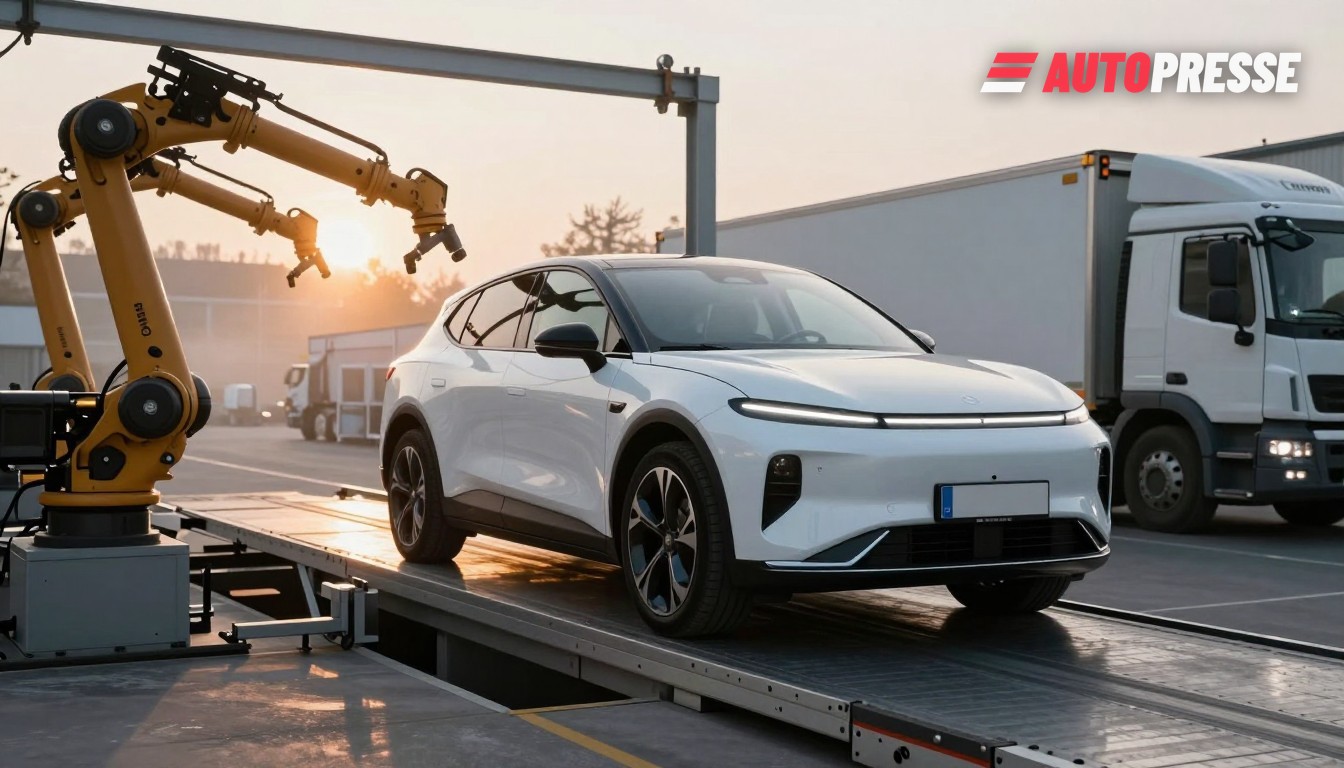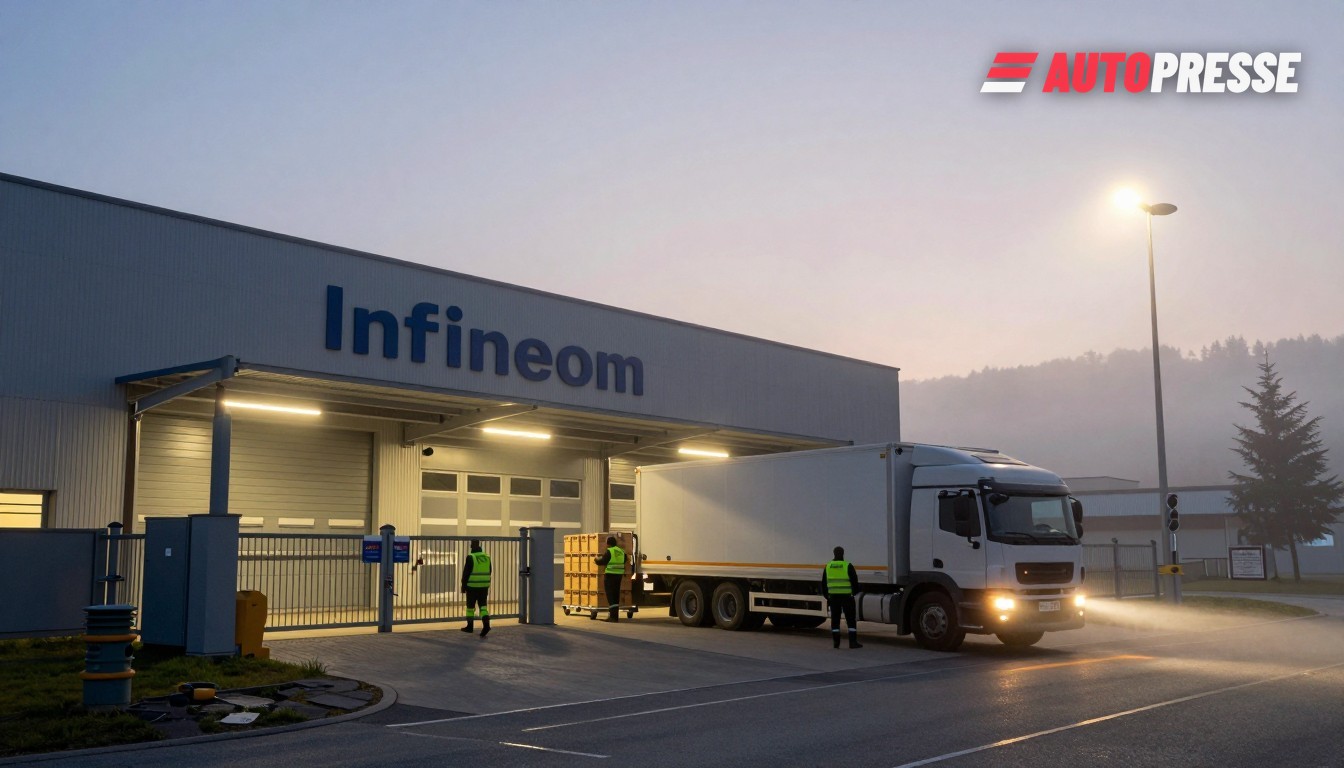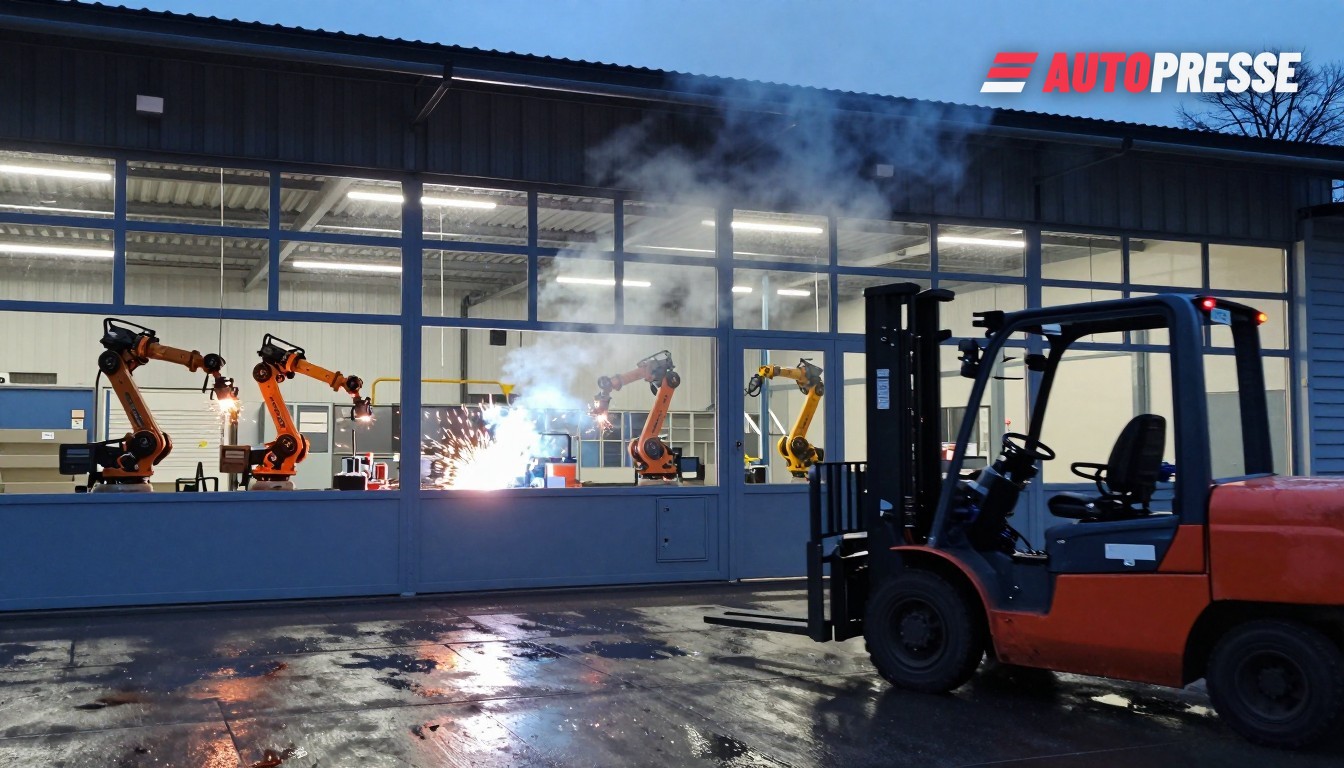
A cluster of new supplier investments in Germany and Austria is turning the continent’s automotive supply chain tangible again for drivers, dealers and plant workers: a €130m Boysen battery‑housing plant opened in Nagold, BMW has started series production at its Irlbach high‑voltage battery plant and Austria’s TSA launched a new stamping centre in Wiener Neudorf. These moves put critical BEV components and forming capacity closer to OEM assembly lines and cut dependence on distant subcontractors.
What opened and who invested
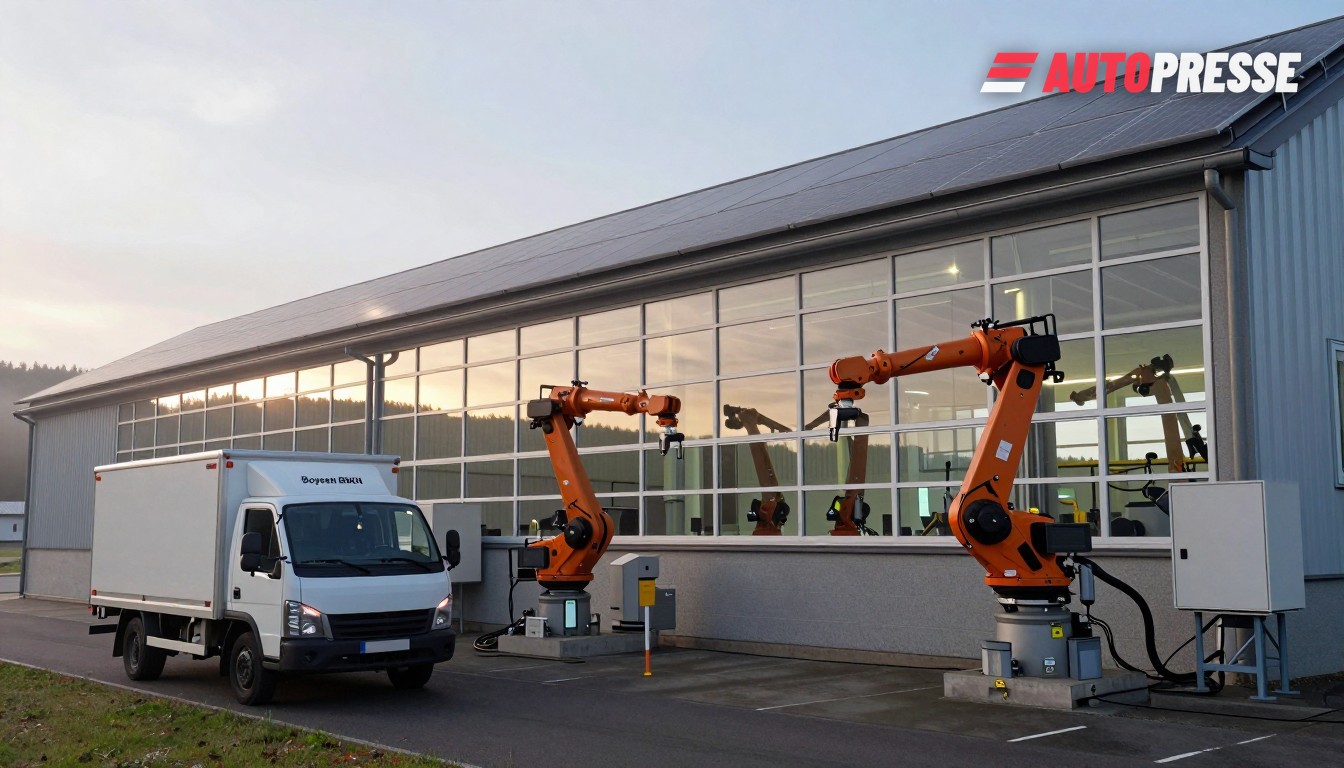
Boysen inaugurated its BBKN battery‑housing facility in Nagold on 10 November, describing an investment of about €130 million for a highly automated, CO2‑aware plant manufacturing battery casings for Mercedes‑AMG electric models. The site uses rooftop photovoltaics and heat‑pump systems as part of an energy concept.
In Bavaria, BMW Group officially opened Plant Irlbach‑Straßkirchen on 1 October 2026; the plant will produce sixth‑generation high‑voltage batteries and BMW calls the roughly €1 billion investment a “strong signal for Germany as a business location.” BMW says the facility already supplies German vehicle plants for Neue Klasse models.
In Austria, Traktionssysteme Austria (TSA) opened a new stamping centre (Werk 3a) on 15 October after a €9.5m investment. TSA says the centre raises in‑house production of electro‑steel parts significantly (previously ~20–25% self‑supply) and will cut transport, boost flexibility and add capacity as a second press arrives in 2027. TSA plans to grow Austrian headcount from about 450 to roughly 550 by 2030.
How suppliers are reshaping capacity
These projects share three practical traits: deeper vertical integration, high automation and energy‑aware design. Boysen emphasised automation and CO2‑neutral operation at Nagold — the site was described as highly automated and fitted with thousands of PV modules — while TSA highlights that bringing stamping in‑house will remove hundreds of thousands of annual truck kilometres. BAUER Maschinen in Aresing has also broken ground on a 22,000 m² production and logistics extension, underlining a wider production push in Bavarian supplier clusters.
For OEM purchasing teams and logistics planners this means lead times and transport exposure shrink; for plants and workshops it changes the local supplier mix — more precision forming, battery assembly cells and electronics pre‑assembly are available inside Germany and Austria, reducing some single‑source risks.
What this means for the market
Short term, the reopenings and new halls shore up capacity for BEV launches and premium electrified models: BMW’s production statement stresses the new Irlbach plant “as the central platform” for German vehicle plants, signalling procurement certainty for the Neue Klasse ramp. That procurement certainty makes local suppliers more bankable for additional automation investment and helps protect apprenticeships even as parts of the industry still restructure.
Medium term, expect a clearer geographic split of tasks: heavy forming, battery housings and sub‑assembly concentrated in regional supplier clusters; specialised electronics and cells still competitive but increasingly paired with nearby mechanical capacity. For buyers, the result is fewer cross‑border handoffs and lower transport emissions; for workers, new automated lines create different skill mixes (robot operators, battery assembly technicians) compared with older stamping or exhaust lines.
B2B vehicle marketplace for dealerships on WorldTrader24 →
Sources: BMW Group, Boysen (Schwarzwälder Bote and Boysen press), Traktionssysteme Austria (OTS), BAUER Maschinen.