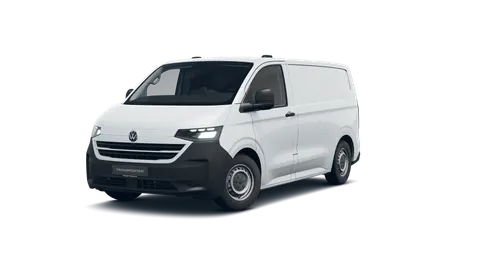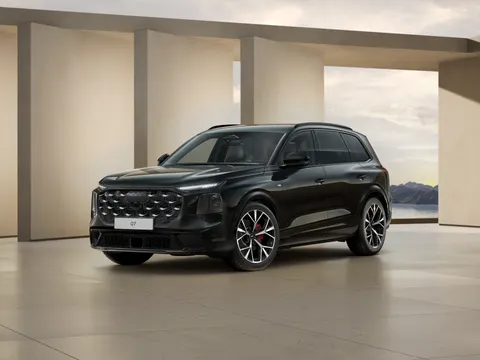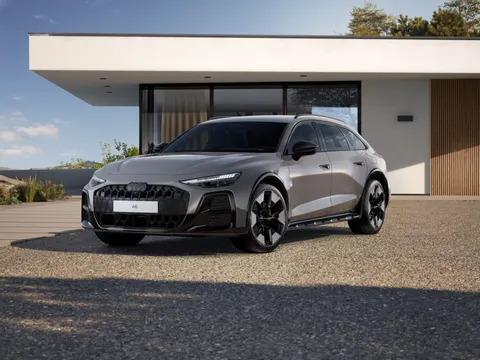
The German wiring‑harness specialist LEONI has moved decisively under Chinese strategic control: Luxshare increased its stake to 74.9% in April 2026, making the group a majority‑owned unit inside a global electronics supply network.
Why wiring harnesses matter — and what changed
LEONI remains one of Germany’s largest suppliers: its company facts list roughly 95,000 employees and consolidated sales of about €3.9 billion (figures reported to 30 June / 31 December 2025). The ownership step by Luxshare — recorded in Luxshare’s 2025/2026 filings and corporate disclosures — follows earlier carve‑outs in LEONI’s restructuring (for example the sale of the ACS unit in July 2025) and signals a new strategic phase for wiring systems in Europe.
Wiring harnesses remain critical as vehicles electrify: the wiring‑harness market is shifting from simple power and signal looms to high‑voltage, data‑heavy assemblies for e‑powertrains and ADAS, and analysts expect rising demand for highly automated, variant‑capable production.
Suppliers in Germany & Austria — consolidation, automation, and sourcing pressure
For OEMs and Tier‑1 buyers in Germany and Austria the immediate effect is one of supplier consolidation and deeper transnational integration. Luxshare’s control gives LEONI access to broader electronics and assembly know‑how, and for Luxshare it secures a large European manufacturing footprint and longtime OEM contracts in Germany.
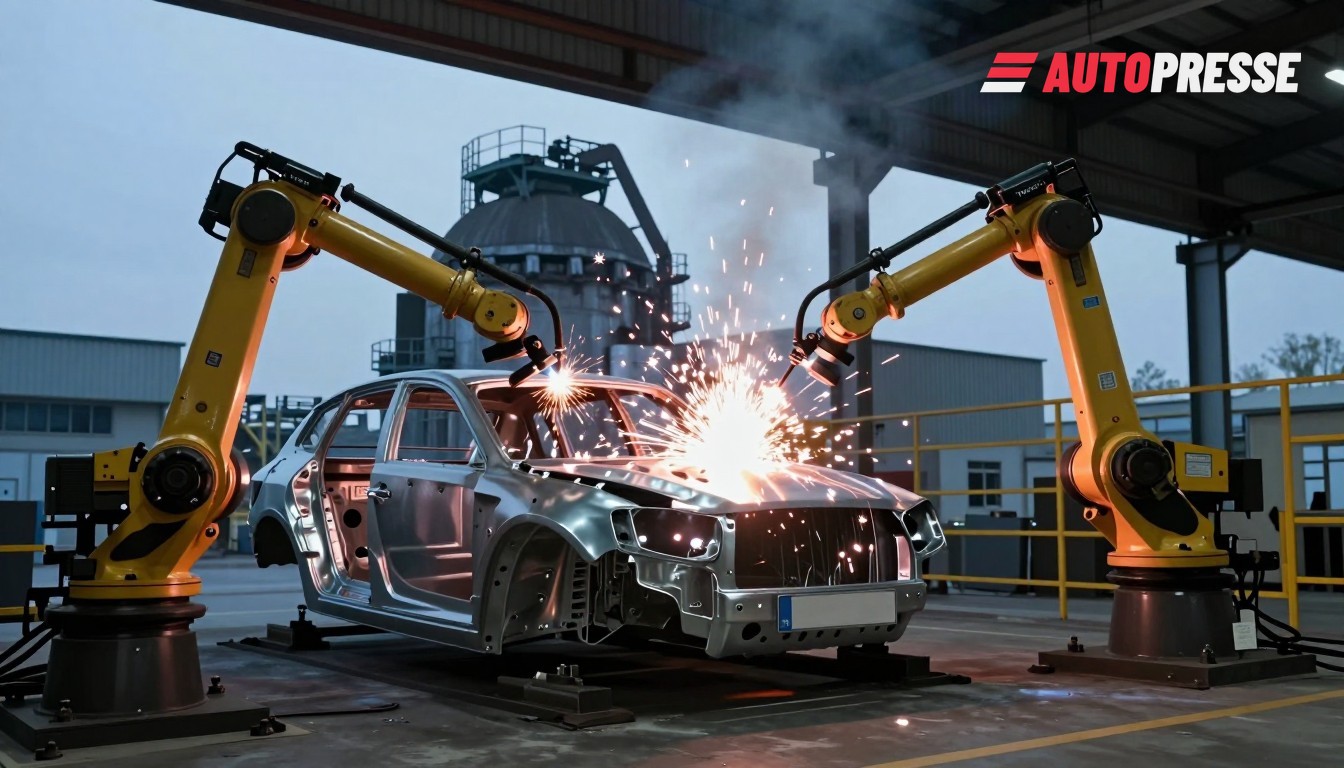
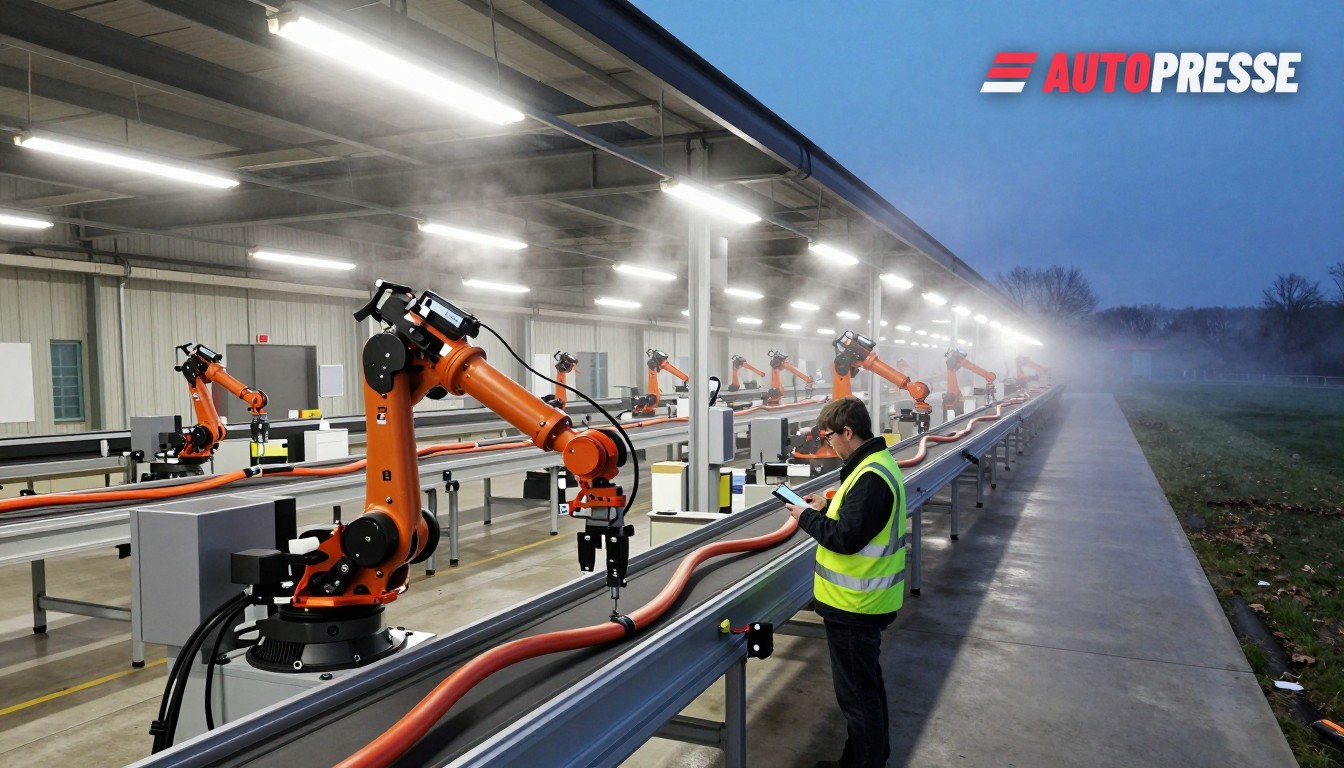
At plant level the pressure to automate intensifies. Companies that supply harnesses now must invest in robotic crimping, automated end‑of‑line inspection and software test benches to handle EV high‑voltage harnesses and high‑speed data lines — a trend documented by market analysts tracking harness volumes and the shift to EV architectures.
Employees, especially in Germany’s traditional harness towns, will face both opportunity and disruption: new investments in automation create higher‑skilled roles in programming, quality engineering and maintenance even as routine manual assembly declines. LEONI’s published headcount and restructuring history underline the scale of that workforce challenge.
What this means for the market
Buyers: OEM purchasing teams can expect a firmer negotiating landscape for specialised high‑voltage and data harnesses as fewer large players control scale production in Europe; conversely access to Luxshare’s global sourcing could lower component costs for commodity items.
Dealers and aftersales: more complex, modular harnesses increase repair costs and diagnostic complexity — workshops will need updated training and tooling, and parts pools may consolidate around a smaller number of approved suppliers.
Employees and regions: local sites in Germany remain strategically important as European assembly hubs, but expect targeted investments in automation and reskilling programmes rather than a return to labour‑intensive production. LEONI’s public facts make clear the group’s scale and the stakes involved for regional employment.
B2B vehicle listings for dealers on WorldTrader24 →
Sources: LEONI (official company facts), Luxshare (annual filings / disclosure), Emergen Research (automotive wiring‑harness market analysis).