The supplier map for Germany and Austria is shifting from metal‑stamping and just‑in‑time parts toward testing, materials recycling and green‑energy feedstocks — and that change is already visible on factory floors and in corporate plans. For suppliers, dealers and local workforces the consequences are immediate: fewer routine assembly roles, more demand for test engineers, recycling technicians and hydrogen logistics.
Testing and engineering: AVL’s squeeze in Graz
AVL, the Austrian powertrain and test‑systems group, announced a group‑wide restructuring that includes a further cut of 350 positions at its Graz site as part of a program to refocus on "alternative drive systems, digitalisation and artificial intelligence," the company said on 28 January 2026. The firm said the measure comes amid "challenging market development in the automotive industry and structural changes" and will be accompanied by a social plan and outplacement measures.
That move underlines a wider trend: Europe’s engineering houses are consolidating labour into higher‑value R&D and test capacity while trimming repeatable shop‑floor tasks as OEM demand becomes more volatile. AVL also coordinates cross‑sector projects in Austria that pair mobility test know‑how with local microelectronics partners — a sign suppliers are moving up the value chain.
Recycling and materials: demo plants come online
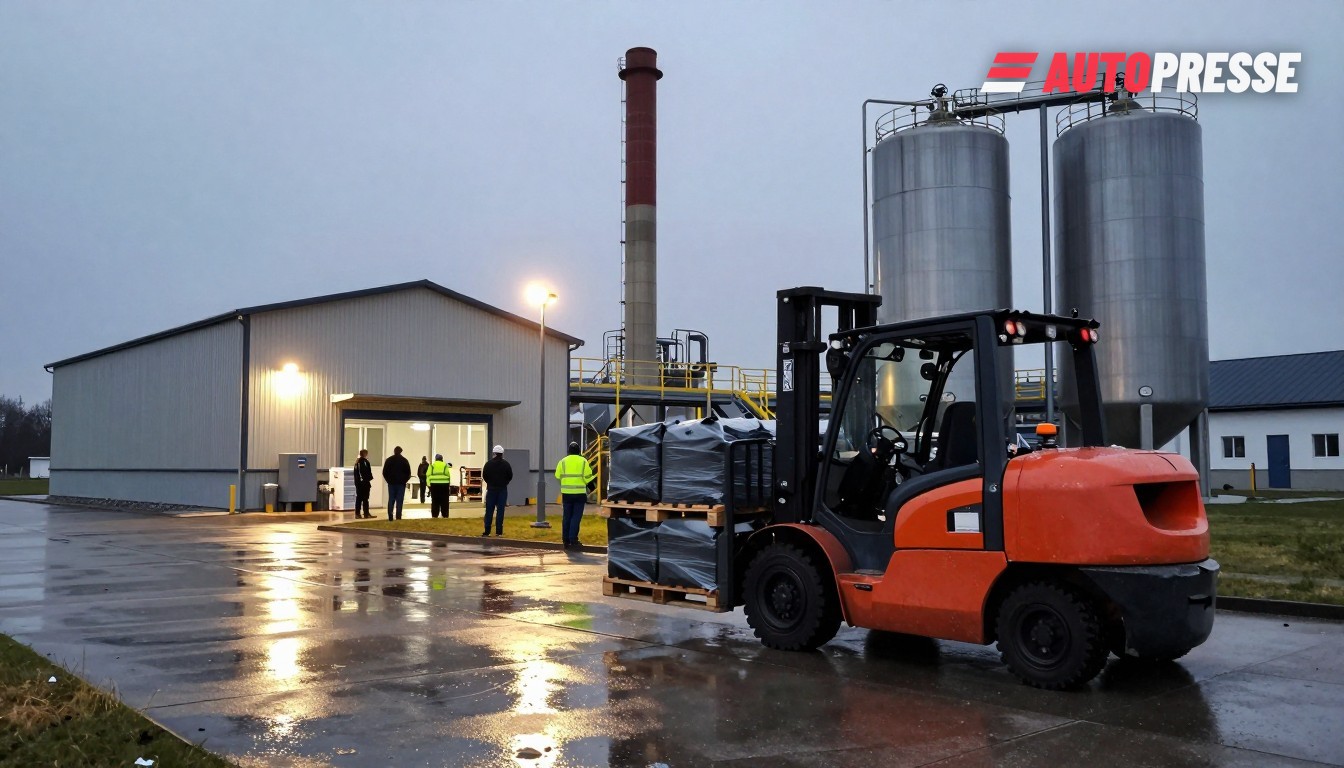
Germany is filling gaps in battery‑materials supply with new industrial recycling capacity. Munich‑based tozero opened an industrial demonstration plant at Chemical Park Gendorf on 27 March 2026 capable of processing up to 1,500 tonnes of battery waste a year and producing high‑purity lithium carbonate, graphite and a nickel‑cobalt mix for industrial users; the company says the plant will serve as the blueprint for a full‑scale commercial facility.
IBU‑tec has likewise expanded pilot‑scale recycling at its Weimar site in cooperation with Hosokawa Alpine: the pilot plant for coated cathode foils and other battery materials was set up in 2025 and is reporting growing customer demand as the company prepares concepts for industrial rollout.
Power supplies and hydrogen: local production ramps
Green‑hydrogen producers are becoming part of supplier networks. Lhyfe’s Schwäbisch Gmünd plant (10 MW electrolysis capacity, inaugurated in October 2025) is now operating and ramping up commercial deliveries; the company reported the site produces up to about 4 tonnes of green hydrogen per day and is being integrated into supply chains for industrial and mobility customers in southern Germany. Lhyfe said the Schwäbisch Gmünd unit is now contributing to its German footprint and commercial growth.
What this means for the market
For OEMs and dealers: vendors that can supply qualified recycled active materials, validated test results and certified green hydrogen will be preferred. For suppliers: investment choices matter — companies that pivot to recycling, test services or electrolyser integration can capture higher margin work, while pure commodity‑parts makers face pressure on volumes and jobs. The AVL restructuring shows that even engineering champions are reallocating headcount toward software, AI and alternative drives; the tozero and IBU‑tec plants show Europe is starting to produce the secondary materials OEMs will need to meet recycled‑content rules.
Local governments and training bodies must accelerate re‑skilling: the new roles require electrochemists, process‑engineers for hydrometallurgy, power‑electronics testers and hydrogen‑safety technicians. Absent fast reskilling, regions that lose conventional supplier work risk long recovery times even if investment dollars arrive for recycling or hydrogen projects.
B2B vehicle listings for dealers on WorldTrader24 →
Sources: AVL List GmbH, tozero, IBU‑tec advanced materials AG, Lhyfe, Vindobona.org