Germany and Austria now face a shifting EU rulebook after a Franco‑German agreement on 16 October 2026 and rapid follow‑up moves in the European Parliament. The bilateral paper backed by Berlin and Paris would set the 2035 new‑car fleet CO₂ reduction at 90% versus 2021 levels — and remove the Commission’s requirement that the remaining 10% be closed by offsets or special credits. The move was announced on 16 October 2026 and immediately framed by politicians as a trade‑off with stronger “Made‑in‑Europe” conditions for future subsidies and procurement.
What Paris and Berlin agreed — and the swift parliamentary reply
The Franco‑German package keeps a 90% 2035 target (rather than the Commission’s stricter approach), and links that softening to local‑sourcing rules: support, procurement and incentives would favour vehicles and parts made in Europe (with drafts mentioning quotas for components and a share of battery content from European suppliers). Chancellor Friedrich Merz called the deal “a good day for motorists and for jobs in Germany, France and Europe”, while green campaigners warned it would weaken the transition to zero‑emission fleets. The bilateral position still needs the backing of other member states and the European Parliament before it becomes law.
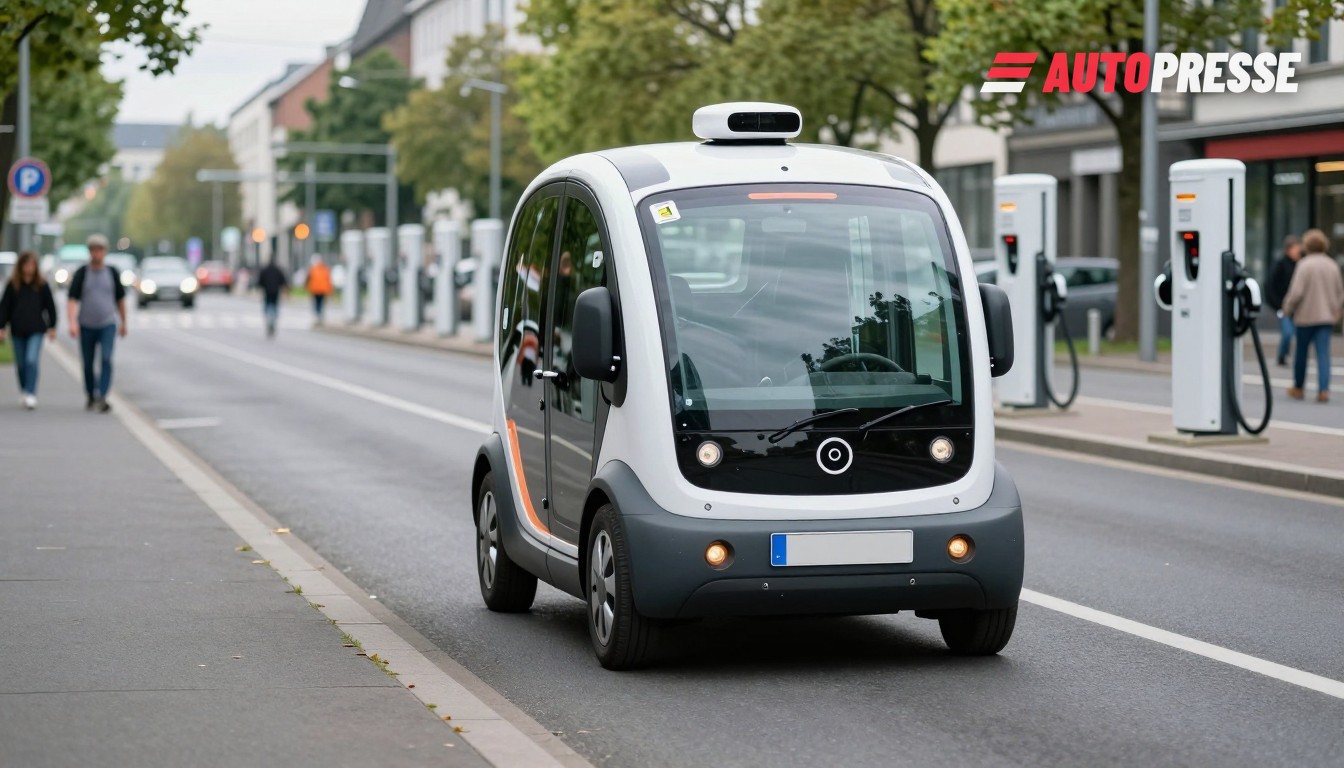
Brussels moved quickly. On 4 November 2026 three European Parliament committees (Environment, Internal Market and Transport) adopted a joint negotiating position on the so‑called automotive omnibus that departs from both the Commission text and the Franco‑German paper: the committees set a stricter draft for negotiators — including detailed safety measures, a new EU “small electric vehicle” category eligible for extra credits, and limits that would reserve the most generous super‑credits to vehicles actually manufactured in the EU. The committees added technical safeguards such as mechanically openable doors in emergencies and child‑presence detection for light vehicles. The committees’ position is due to go to the full Parliament in December.
How Germany and Austria are placed
For Germany the Franco‑German deal reflects direct industry pressure: major manufacturers and supplier regions have been arguing for predictable, industrially realistic targets and for measures that protect European production. Vienna has not led the bargaining but Austria’s industrial and supplier clusters will be affected by any new “Made‑in‑Europe” conditions because they change the economics of where parts and assembly are competitive. The final text — after trilogue talks between Parliament, Council and Commission — will determine whether incentives and super‑credits favour vehicles built in Germany, Austria or only in a narrower EU footprint.
What this means for the market
Short term: uncertainty. Manufacturers, suppliers and dealers in Germany and Austria face at least two months of intense negotiations (parliamentary plenary in December and subsequent Council talks). That timeline matters for investment decisions on batteries, stamping and software: firms deciding whether to expand in Austria or Germany need clarity on which plants and components will qualify for future incentives.
Medium term: conditional protection. If the final law channels incentives to EU‑made (or to a ‘European plus partner’ list that Paris and Berlin discussed), Germany’s and Austria’s existing supplier bases could win preferential access to public procurement and subsidy schemes — but parts‑makers outside the defined zone could lose competitiveness. If Parliament’s committee rules on super‑credits stand, only certain small, highly efficient EVs built in the EU would generate oversized compliance benefits, reshaping model portfolios sold in Germany and Austria.
Final bets depend on trilogue outcomes expected in late 2026 and early 2027. Companies in Germany and Austria should watch the December plenary vote and national positions in the Council; the legal text — not the bilateral paper — will decide who gets the subsidies and which factories are protected.
Sources: Reuters, Electrive, AutoSignal, TeslAnt