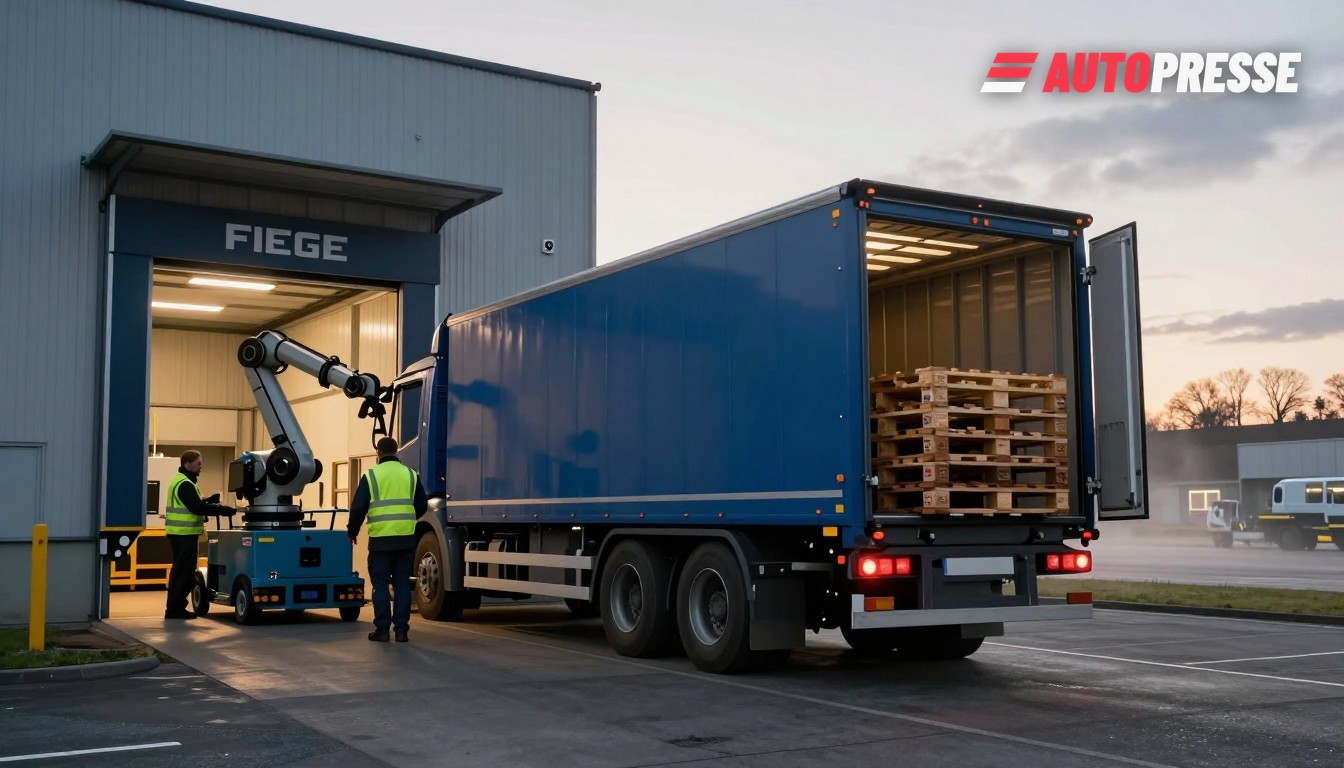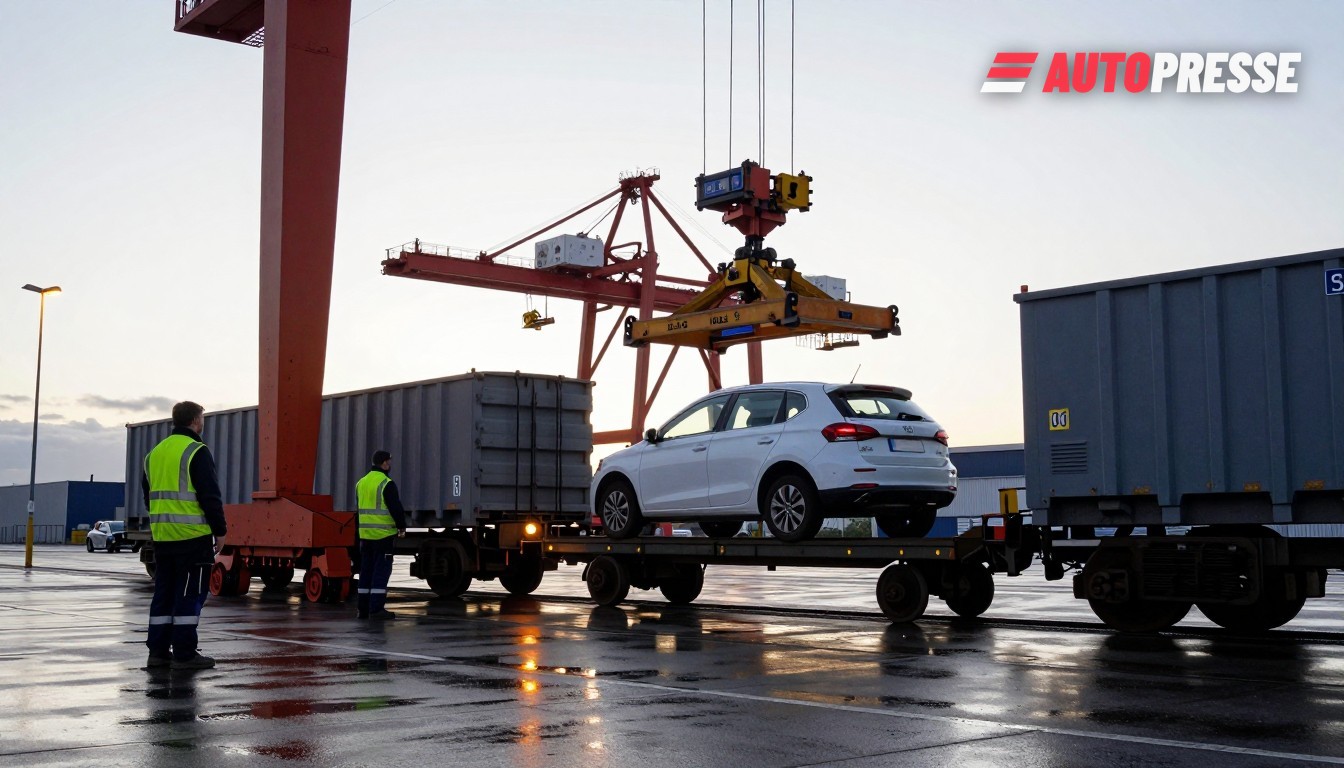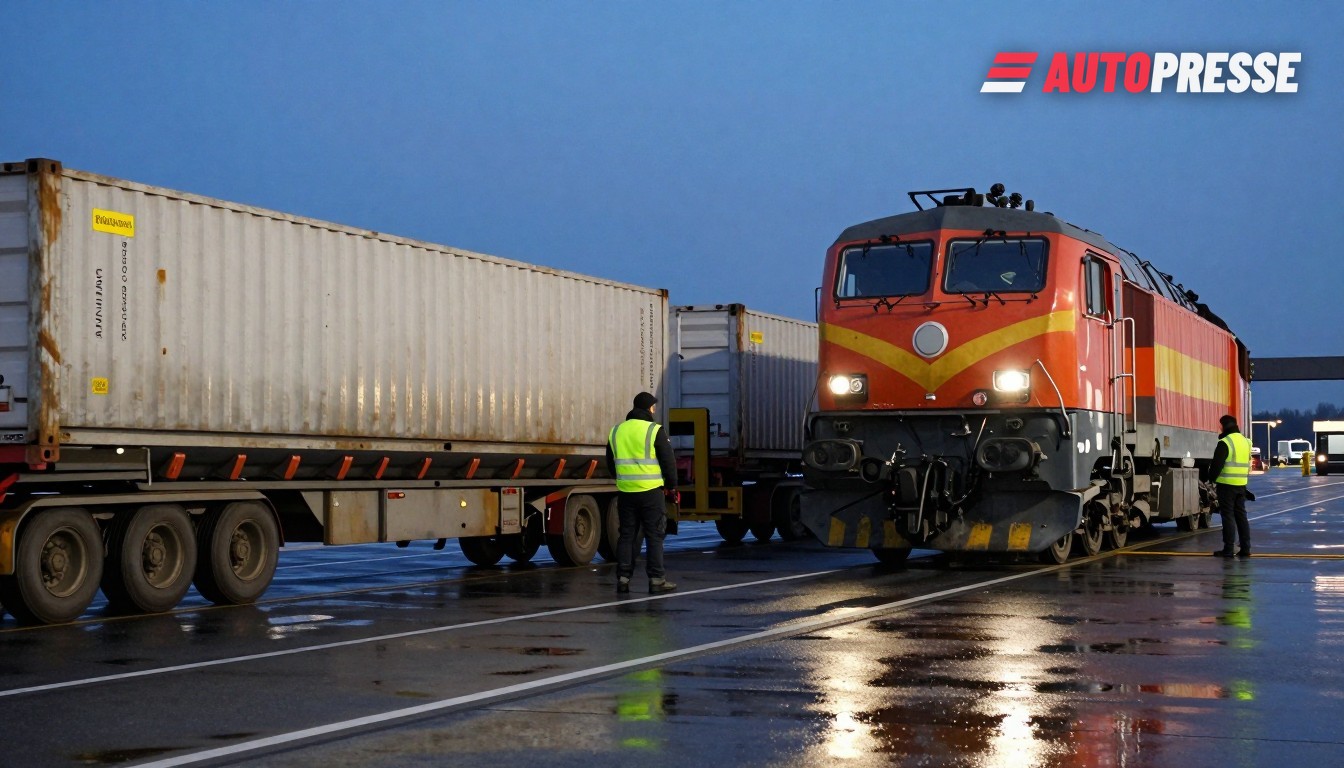
From dealers to drivers and logistics crews, Germany and Austria must now treat battery shipments as a different class of freight. A string of international rule changes adopted in 2026–2027 tightens classification, labelling, state‑of‑charge requirements and documentation for lithium, sodium and hybrid batteries — and for vehicles that carry them — with immediate effects on ports, hauliers and rail operators.
What changed — the new rulebook
The UN/ADR and RID amendment process notified by UNECE on 1 July 2026 includes a raft of battery provisions and a new German‑backed “special provision 6xx” for electric energy systems in cargo transport units.
A new edition of ADR takes effect on 1 January 2027; however, ADR 2025 may still be used until 30 June 2027 during the transitional window. The 2027 package splits earlier single entries (UN 3536) into separate UN numbers for lithium‑ion, lithium‑metal and sodium‑ion batteries installed in cargo transport units and tightens marking and training requirements. Missing or incorrect paperwork can now trigger EU roadside immobilisation measures introduced in mid‑2026.
Air freight rules already tightened: from 1 January 2026 airlines and shippers must offer many lithium‑ion and sodium‑ion batteries (and battery‑powered vehicles) at a reduced state of charge — typically not exceeding 30% capacity — unless special approvals are granted. That rule applies to batteries packed with equipment and to vehicles offered for air transport.
Rail, ports and the chain of custody
EU law on batteries (Regulation 2023/1542) also tightens the distinction between a used battery and waste: without the required documentation an item may be treated as waste, with transport and handling subjected to stricter controls — a major change for cross‑border recycling flows and spare‑parts logistics.
Operators from the auto terminals in Bremerhaven and Hamburg to ÖBB motorail and inland rail links must now screen consignments more carefully: passenger motorail rules already exclude hazardous consignments under RID/ADR, and freight terminals are updating acceptance criteria, packaging checks and loader instructions to match the new UN/ADR entries. Logistics providers and carriers cite updated packing, labelling and vehicle equipment obligations in their DG manuals.
What this means for the market
Practical effects are already clear. Carmakers and exporters face extra classification work (new UN numbers and special provisions), hauliers need revised TMS templates and driver instructions, and forwarders must prove compliance to avoid immobilisation or costly delays during roadside checks. The airfreight SOC rule restricts shipments to states of charge ≤30% for many consignments, raising handling steps at factories and terminals.
For Austria, where rail and motorail links are important for Alpine and Adriatic corridors, the administrative burden will raise unit costs for recycled packs and second‑life batteries unless exporters and recyclers tighten documentation now. In Germany, ports and freight yards are adding inspection slots and retraining staff — measures that increase turnaround times during the 2027 changeover.
Short term: expect higher handling costs, extra paperwork and cautious routing of mixed loads. Medium term: carriers and OEM logistics teams who invest now in correct classification, digital transport documents and training will avoid immobilisations and win a competitive edge as enforcement tightens after mid‑2027.
WorldTrader24 B2B vehicle market for dealers and wholesalers →
Sources: UNECE, trans.info, IATA, EUR‑Lex, AirSeaDG, ÖBB, DHL